Choosing the right toy for your dog isn’t just about fun—it’s a critical part of their physical health, mental stimulation, and emotional well-being. A toy that’s perfect for a Border Collie might be dangerous for a Chihuahua. Size, jaw strength, energy level, and breed-specific behaviors all influence what kind of toy will keep your dog safe and engaged. Generic recommendations often miss the mark. This guide breaks down how to match toys precisely to your dog’s breed and size, ensuring durability, safety, and hours of enjoyment.
Understanding Breed-Specific Needs
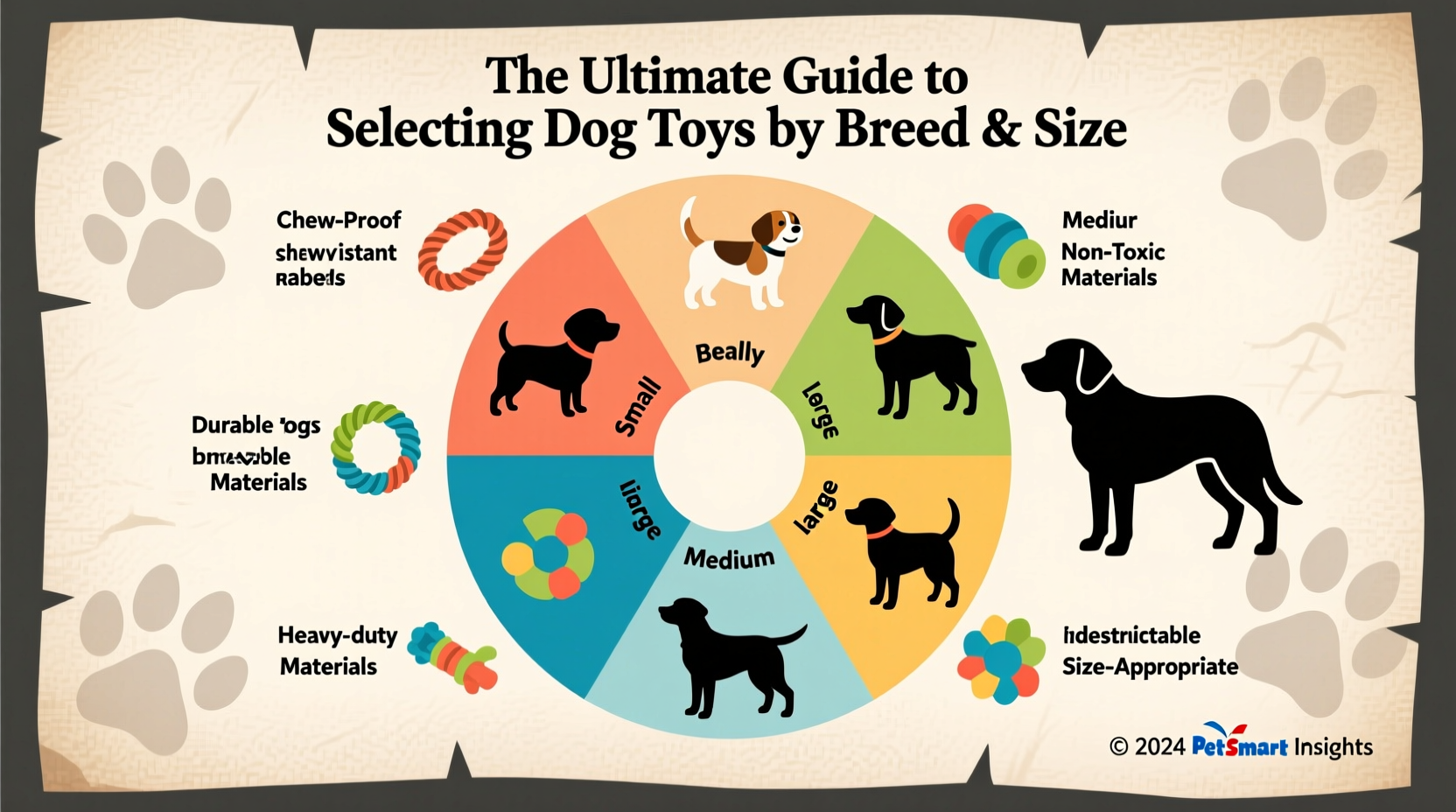
Different breeds evolved with distinct instincts and physical traits that directly affect how they interact with toys. Herding dogs like Australian Shepherds thrive on chase-and-retrieve games. Terriers were bred to dig and shake prey, so tug and chew toys satisfy their natural drive. Sighthounds such as Greyhounds enjoy fast-moving toys they can sprint after, while brachycephalic breeds like Pugs need soft, easy-to-carry options due to their breathing limitations.
Ignoring these tendencies leads to disinterest or destructive behavior. For example, offering a plush squeaky toy to a Pit Bull may result in shredded stuffing within minutes—not because the dog is misbehaving, but because the toy doesn’t meet their powerful chewing needs.
Tip: Observe how your dog naturally plays—do they shake, carry, dig, or chase? Match the toy to their instinctive behavior.Size Matters: Matching Toy Scale to Dog Proportion
A toy too small can become a choking hazard; one too large frustrates smaller dogs and limits play. The general rule: if you can’t fit the toy comfortably in your dog’s mouth without straining, it’s likely inappropriate.
Toy safety standards suggest that any object should be larger than 1.5 inches in diameter for small dogs and proportionally larger for medium and large breeds. Always supervise initial play sessions to ensure the dog isn’t trying to swallow parts whole.
| Dog Size | Weight Range | Recommended Toy Size | Avoid |
|---|---|---|---|
| Small (e.g., Shih Tzu, Pomeranian) | Under 20 lbs | 2–3 inches long | Toys with small attachments or loose squeakers |
| Medium (e.g., Beagle, Cocker Spaniel) | 20–50 lbs | 3–5 inches long | Foam balls easily crushed into pieces |
| Large (e.g., Labrador, German Shepherd) | 50–90 lbs | 5–7 inches long | Thin rubber rings or flimsy ropes |
| Giant (e.g., Great Dane, Mastiff) | Over 90 lbs | 7+ inches, heavy-duty materials | Plastic toys prone to splintering |
Chew Strength and Material Selection
One of the most overlooked factors in toy selection is jaw power. A Poodle may have moderate chewing habits, while a Rottweiler exerts over 328 pounds per square inch of bite force—enough to crack bones, let alone standard rubber toys.
Materials should scale with chewing intensity:
- Light Chewers: Soft plush, fabric, or foam toys work well for breeds like Cavalier King Charles Spaniels.
- Moderate Chewers: Dense rubber (like natural latex) or nylon-based toys suit Bulldogs or Basset Hounds.
- Aggressive Chewers: Look for reinforced rubber, ballistic nylon, or polymer blends designed for power chewers—think Kongs Extreme or West Paw Zogoflex.
“Many dogs end up at the vet with intestinal blockages because owners choose toys based on cuteness, not durability. Match material to bite force.” — Dr. Lena Torres, Veterinary Behaviorist
Step-by-Step Guide: Choosing the Right Toy for Your Dog
Follow this five-step process to make informed, safe decisions every time you buy a new toy:
- Identify your dog’s breed group (herding, terrier, sporting, etc.) and typical behavioral traits.
- Assess their size and weight to determine appropriate toy dimensions using the table above.
- Evaluate their chewing style: Do they gently carry toys, shake them vigorously, or destroy them within hours?
- Select material accordingly: plush for light chewers, durable rubber or nylon for strong biters.
- Test under supervision: Allow 10–15 minutes of monitored play to check for unsafe behaviors or quick breakdowns.
Real Example: From Destructive Habits to Engaged Play
Max, a two-year-old American Staffordshire Terrier, had destroyed nearly every toy his owner bought. Frustrated, she brought him to a canine enrichment specialist. After observing Max’s behavior, the trainer noted his high prey drive and need for mental challenge. Instead of plush animals, she recommended a treat-dispensing puzzle made from industrial-grade rubber and a braided jute rope for tugging.
Within days, Max was spending 20 minutes focused on extracting peanut butter from the puzzle toy. His destructive chewing decreased by 70% in three weeks. The solution wasn’t tougher discipline—it was better toy alignment with his breed instincts and size.
Checklist: Before You Buy Any Dog Toy
- ✅ Is the toy sized appropriately for my dog’s mouth and body?
- ✅ Is the material suited to their chewing strength?
- ✅ Does it align with their natural play style (chase, chew, fetch, solve)?
- ✅ Are there no small, detachable parts (eyes, squeakers, buttons)?
- ✅ Is it labeled non-toxic and free from phthalates or BPA?
- ✅ Can I clean it easily (dishwasher-safe or wipeable)?
Frequently Asked Questions
Can I give large breed toys to small dogs if they seem interested?
No. Even if a small dog shows curiosity toward a large toy, it won’t be able to manipulate or carry it safely. Large toys can also trap small paws or heads. Always prioritize proportion and safety over interest.
How often should I replace dog toys?
Inspect toys weekly. Replace any with frayed edges, broken seams, exposed stuffing, or cracked surfaces immediately. High-chew dogs may need replacements every 2–4 weeks; low-chew dogs can use toys for months.
Are squeaky toys bad for aggressive chewers?
Squeakers can be hazards if swallowed. For aggressive chewers, avoid traditional squeaky plush toys. Instead, opt for rugged squeakers embedded in solid rubber, or remove the squeaker entirely once exposed.
Final Thoughts and Action Steps
Selecting the right dog toy isn’t guesswork—it’s a blend of understanding biology, behavior, and safety. When you tailor toys to your dog’s breed and size, you’re not just preventing accidents; you’re enriching their life. Mental stimulation reduces anxiety, supports training, and strengthens your bond.
Start today: pull out your dog’s current toys and evaluate each one against the checklist. Remove anything undersized, damaged, or mismatched to their chewing level. Introduce one new, properly matched toy this week—one that challenges their mind or satisfies their instincts. Over time, build a curated collection that evolves with their needs.
💬 Have a toy success story or breed-specific tip? Share it in the comments below and help other dog owners make smarter choices!








