Choosing the right dog collar is about far more than matching your pet’s personality or style. It’s a critical decision that impacts their safety, comfort, and overall well-being. With countless options available—from nylon to leather, martingale to harness-integrated collars—it’s easy to feel overwhelmed. The wrong choice can lead to chafing, breathing issues, or even escape risks. This guide cuts through the noise with expert-backed advice, practical checklists, and real-world insights to help you make an informed, responsible decision for your canine companion.
Why Collar Selection Matters More Than You Think
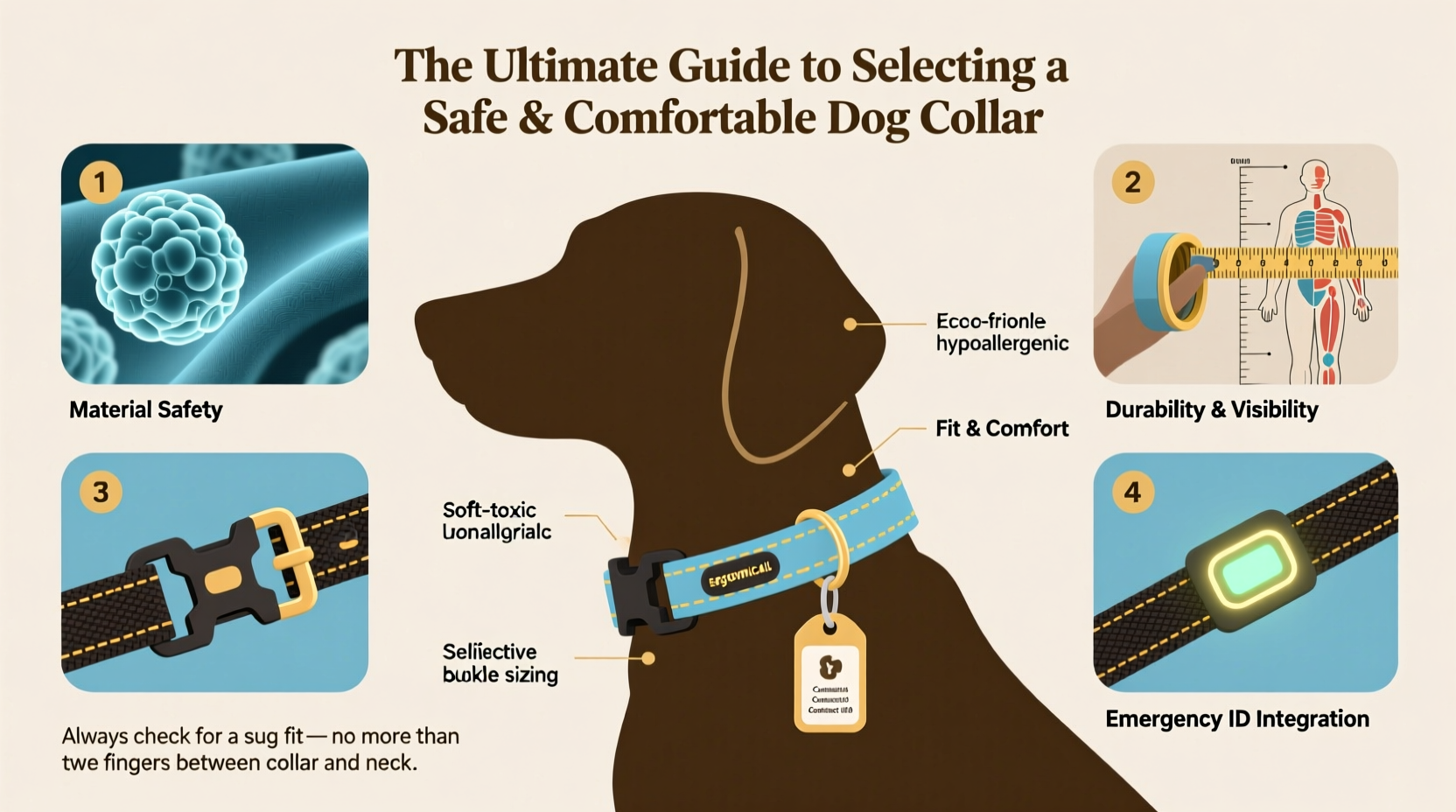
A dog collar isn’t just a place to attach an ID tag. It’s a daily-worn piece of equipment that affects posture, breathing, and skin health. Poorly fitted or inappropriate collars can cause tracheal damage, especially in small breeds or dogs prone to respiratory issues. Over time, constant friction from low-quality materials may lead to fur loss or skin infections. On the flip side, a well-chosen collar supports identification, training, and safety during walks without compromising comfort.
Veterinarians and animal behaviorists emphasize that collar design should align with a dog’s breed, size, activity level, and temperament. For example, a greyhound’s slender neck requires a different fit than a bulldog’s broad shoulders. Pulling force distribution matters too—dogs that lunge on leash may benefit more from limited-slip designs than standard flat collars.
“Collars aren’t one-size-fits-all. Just like shoes, they need to match the anatomy and lifestyle of the wearer.” — Dr. Lena Patel, DVM, Canine Orthopedic & Behavior Specialist
Key Factors to Consider When Choosing a Dog Collar
Selecting the ideal collar involves balancing several interrelated factors. Here’s what to evaluate before making a purchase:
1. Size and Fit
A collar should be snug but not tight—allowing two fingers to slide comfortably underneath at all times. Too loose, and your dog might slip out; too tight, and it can restrict blood flow or damage the thyroid gland. Measure your dog’s neck circumference with a soft tape measure behind the ears and below the jawbone, adding half an inch for growing puppies.
2. Material Type
Different materials offer varying levels of durability, breathability, and comfort:
| Material | Pros | Cons |
|---|---|---|
| Nylon | Affordable, lightweight, water-resistant | Can chafe if wet, less breathable |
| Leather | Durable, molds to neck over time, stylish | Requires conditioning, not fully waterproof |
| Neoprene | Soft, hypoallergenic, great for sensitive skin | Less durable under heavy use |
| Webbed Polyester | Strong, UV-resistant, often reflective | May retain odor without proper cleaning |
3. Buckle and Closure Type
Side-release buckles are quick to fasten and widely used. However, ensure the plastic is reinforced—cheap versions can snap under tension. For active dogs, consider a double-loop or roller-buckle design for added security. Martingale collars use a tightening mechanism when pulled, preventing escape-prone breeds (like sighthounds) from slipping out.
4. Reflectivity and Visibility
If you walk your dog at dawn, dusk, or night, choose a collar with reflective stitching or integrated LED elements. High visibility reduces accident risks and keeps your pet visible in low-light conditions.
Tip: Pair a reflective collar with a light-up leash for maximum nighttime safety.Matching Collar Types to Your Dog’s Needs
Not every collar suits every dog. Understanding the purpose behind each type ensures better outcomes.
- Flat Collars: Ideal for everyday wear and dogs who don’t pull. Best for training when combined with positive reinforcement.
- Martingale Collars: Designed for dogs with narrow heads relative to their necks (e.g., Greyhounds, Whippets). Tightens slightly when pulled but won’t choke when properly adjusted.
- Quick-Release Collars: Feature a plastic buckle for easy on/off. Suitable for most medium to large breeds with proportional head-to-neck ratios.
- Breakaway Collars: Automatically release under strong pressure—ideal for indoor cats or dogs left unattended. Not recommended for walking due to safety risks.
- Harness-Compatible Collars: Lightweight collars meant to hold ID tags while the harness handles leash attachment. Reduces neck strain significantly.
Mini Case Study: Bella the Houdini Hound
Bella, a 2-year-old Italian Greyhound, kept escaping her standard nylon collar during park visits. Despite accurate sizing, her slim head slipped through effortlessly. Her owner switched to a martingale collar after consulting a trainer. Within days, escapes stopped. The limited-tightening design prevented slippage without restricting airflow. “It was like finding a seatbelt that actually fits,” her owner said. “She’s safer, and I’m less anxious.”
Step-by-Step Guide to Fitting a Dog Collar Correctly
Even the best collar fails if improperly fitted. Follow this sequence to ensure optimal comfort and safety:
- Measure Accurately: Use a flexible tape measure around the base of the neck where the collar naturally sits. Don’t pull tight.
- Select the Right Adjustment Range: Choose a collar whose adjustable range includes your dog’s measurement—ideally near the middle settings for longevity.
- Attach and Adjust: Fasten the collar and tighten until only two fingers fit between the collar and neck.
- Check Pressure Points: Run your fingers along the underside to detect any pinching or excessive pressure.
- Monitor for Reactions: Watch for scratching, redness, or hair loss over the next 24–48 hours. Remove at night initially to assess skin tolerance.
- Reassess Monthly: Puppies grow quickly; adult dogs gain or lose weight. Recheck fit regularly.
Frequently Asked Questions
Can I use a puppy collar on an adult dog?
Only if it fits properly. Puppy collars are narrower and may lack durability for larger adult dogs. Always upgrade as your dog grows to prevent discomfort or breakage.
How do I clean a dog collar?
Most nylon and polyester collars can be hand-washed with mild soap and air-dried. Leather collars require specialized conditioners and should never be submerged. Check manufacturer instructions first.
Should I use a collar or a harness?
For dogs with spinal issues, brachycephalic breeds (like Pugs), or chronic pullers, a harness is generally safer. However, every dog should still wear a collar with ID tags for quick identification if lost.
Essential Checklist Before Buying a Dog Collar
Use this checklist to ensure you’re making a smart, responsible choice:
- ✅ Measured your dog’s neck accurately
- ✅ Chose a material suited to climate and activity level
- ✅ Selected the correct collar type based on breed and behavior
- ✅ Verified secure, high-quality hardware (buckles, D-rings)
- ✅ Confirmed reflectivity for low-light visibility
- ✅ Ensured proper fit with two-finger rule
- ✅ Added up-to-date ID tags with contact information
Final Thoughts: Safety Starts with the Right Collar
Your dog depends on you to make thoughtful choices about their gear. A collar is not a fashion accessory—it’s a functional tool that plays a vital role in daily safety and long-term health. By prioritizing fit, material quality, and suitability for your dog’s unique needs, you create a foundation for stress-free walks, reliable identification, and physical comfort. Don’t settle for generic options. Invest time in research, consult professionals when needed, and observe your dog’s response after introducing a new collar.
💬 Have a collar success story or a fitting tip? Share your experience in the comments to help fellow pet owners make smarter choices for their furry companions.








