
Trimming your dog’s nails is a vital part of their grooming routine, but when the nails are dark and overgrown, it becomes significantly more challenging. Unlike light-colored nails, where the quick (the sensitive inner core containing blood vessels and nerves) is visible, black nails obscure this critical landmark. Cutting too close can cause pain and bleeding, leading to fear and resistance in future sessions. Yet neglecting nail care results in discomfort, improper gait, and long-term joint issues. The good news: with the right tools, technique, and patience, you can safely manage your dog’s overgrown black nails at home.
Understanding the Risks of Overgrown Nails
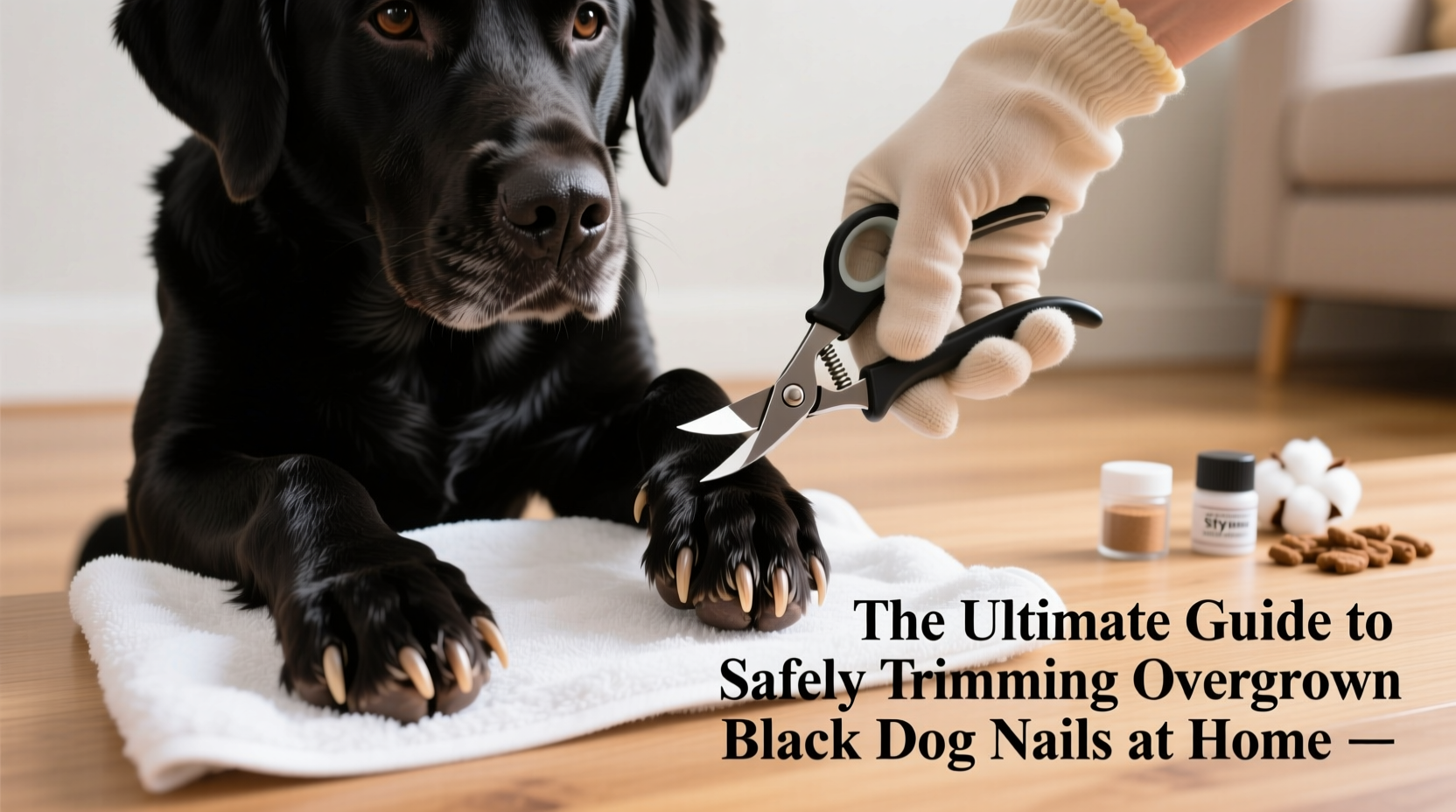
Dogs’ nails grow continuously. When left untrimmed, they extend beyond the paw pad, altering the natural alignment of the foot. This forces the toes into an unnatural position, increasing pressure on joints and potentially leading to arthritis over time. Overgrown nails also increase the risk of splitting, snagging on carpets or furniture, and even curling back into the paw pad—causing infection and severe pain.
In dogs with black nails, the problem is compounded. The absence of visual cues makes it difficult to judge where the quick ends and the dead keratin begins. As nails grow longer, the quick often extends further with them, making each subsequent trim riskier if not done correctly.
Tip: Regular trims every 3–4 weeks prevent the quick from extending and make each session safer and easier.Essential Tools for Trimming Black Dog Nails
Using the correct equipment reduces stress for both you and your dog. Here’s what you’ll need:
- Guillotine-style or scissor-style nail clippers: Choose based on your comfort and your dog’s nail size. Guillotine clippers have a hole where the nail inserts, while scissor-style models offer better visibility and control.
- Grinder (Dremel tool): Ideal for black nails because it files the nail gradually, minimizing the chance of hitting the quick. It’s quieter than clipping when used properly and allows for shaping.
- Styptic powder or cornstarch: Essential for stopping bleeding if you accidentally cut the quick. Keep it within arm’s reach before starting.
- Treats and positive reinforcement tools: Use high-value treats to reward calm behavior and build a positive association with nail trimming.
- Flashlight (optional): A small LED light can be gently shone behind the nail to help detect the shadow of the quick in some dogs, especially those with slightly translucent nail beds.
Step-by-Step Guide to Safely Trim Overgrown Black Nails
Patience and precision are key. Follow this methodical approach to minimize risks and maximize success.
- Prepare the environment: Choose a quiet, well-lit room. Have all tools and treats ready. Ensure your dog is calm—consider exercising them first to reduce anxiety.
- Inspect each nail: Examine the shape and length. Look for any splits, discoloration, or signs of infection. Note which nails are most overgrown.
- Identify the safe cutting zone: For black nails, avoid cutting in one deep motion. Instead, use a “shave” technique: clip only the very tip at a slight angle, removing just a millimeter at a time.
- Look for the “doughnut” sign: After each shallow cut, examine the freshly cut surface. As you get closer to the quick, you’ll see a small dark circle or oval in the center of the nail—this is the beginning of the quick. Stop immediately when you see it.
- Use a grinder for final smoothing: If using a Dremel, gently file down the nail in short bursts. Watch for a grayish ring forming in the center—this indicates you’re nearing the quick.
- Reward frequently: Praise and treat after each nail, even if progress is slow. Break the process into multiple short sessions if needed.
- Stop if bleeding occurs: Apply styptic powder with firm pressure for 30 seconds. Stay calm—your dog will mirror your energy.
| Step | Action | Safety Check |
|---|---|---|
| 1 | Clip tiny slivers at a 45° angle | Avoid the central dark core |
| 2 | Inspect cut surface | Stop if a dark circle appears |
| 3 | File with grinder | Pause every few seconds to check progress |
| 4 | Reward calmly | Keep the mood positive |
Real-Life Example: Managing Max’s Overgrown Nails
Max, a 4-year-old Labrador Retriever, hadn’t had his nails trimmed in nearly eight months. His owner noticed he was walking stiffly and occasionally limping. Upon inspection, his black nails were so long they touched the ground. Attempting a full trim in one session terrified Max—he yelped and pulled away after the first nail bled.
Instead of forcing it, his owner adopted a gradual strategy. Over the next three weeks, she trimmed just one or two nails per day, always ending with a treat and playtime. She used a Dremel to smooth the sharp tips, reducing the risk of accidental cuts. By the fourth week, Max’s nails were at a healthy length, and he no longer flinched when the tool came out. His gait improved noticeably, and vet checkup confirmed no joint strain.
“Regular, gentle nail maintenance prevents both physical discomfort and behavioral resistance. Dogs learn to trust the process when it’s associated with calmness and rewards.” — Dr. Lena Torres, Veterinary Behavior Specialist
Common Mistakes to Avoid
Even well-intentioned owners make errors that compromise safety and effectiveness. Be mindful of these pitfalls:
- Cutting too much at once: Never attempt to shorten severely overgrown nails in a single session. This dramatically increases the chance of hitting the extended quick.
- Ignoring signs of stress: If your dog trembles, tucks their paw, or growls, pause and try again later. Forcing the process creates lasting fear.
- Using dull tools: Dull clippers crush rather than cut, causing pain and splintering. Replace or sharpen them regularly.
- Skipping desensitization: Spend time touching your dog’s paws daily without trimming. This builds tolerance and cooperation.
- Not having styptic powder ready: Always prepare for accidents. Cornstarch can work in a pinch, but styptic powder clots faster.
Frequently Asked Questions
How do I know when to stop trimming a black nail?
After each small cut, inspect the flat surface of the nail. When you see a small dark circle in the center, you’re approaching the quick. Stop immediately. With grinders, watch for a grayish ring forming in the middle—that’s your warning sign.
Can I use human nail clippers on my dog?
No. Human clippers aren’t designed for the thickness and curvature of dog nails. They can split the nail or crush it, causing pain. Always use clippers made specifically for dogs.
What if my dog won’t let me touch their paws?
Start with desensitization. Touch their paws briefly during relaxed moments, then reward. Gradually increase duration. Pair the touch with treats and affection. For resistant dogs, consult a trainer or behaviorist to build confidence.
Final Checklist for Safe At-Home Trimming
- ✅ Gather all supplies: clippers, grinder, styptic powder, treats, flashlight
- ✅ Choose a calm time and quiet space
- ✅ Handle paws gently to acclimate your dog
- ✅ Clip or grind in tiny increments—never rush
- ✅ Inspect each cut surface for the dark circle
- ✅ Stop and apply styptic powder if bleeding occurs
- ✅ Reward generously throughout and after
- ✅ Repeat over several days if necessary
Conclusion: Confidence Through Consistency
Trimming overgrown black dog nails at home doesn’t have to be intimidating. With careful preparation, the right tools, and a patient mindset, you can maintain your dog’s paw health and comfort without frequent vet visits. Remember, consistency is more effective than perfection. Even trimming one nail a day builds progress and strengthens your bond. Your dog relies on you for their well-being—take pride in mastering this essential skill.
💬 Have a nail-trimming success story or a helpful tip? Share your experience in the comments and help fellow pet owners gain confidence!








