
As pet owners increasingly seek natural, biologically appropriate diets for their dogs, freeze dried raw food has emerged as a top choice. It combines the nutritional benefits of a raw diet with the convenience of shelf-stable storage and easy preparation. However, transitioning to or maintaining a freeze dried raw diet requires careful attention to safety, hydration, portion control, and sourcing. Done correctly, it can support improved digestion, shinier coats, better dental health, and sustained energy. Done incorrectly, it may lead to nutrient imbalances, bacterial exposure, or digestive upset.
This guide walks through every essential aspect of safely incorporating freeze dried raw dog food into your dog’s daily routine—ensuring they thrive on a diet that aligns with their evolutionary needs while minimizing risks.
Understanding Freeze Dried Raw: What It Is and Why It Works
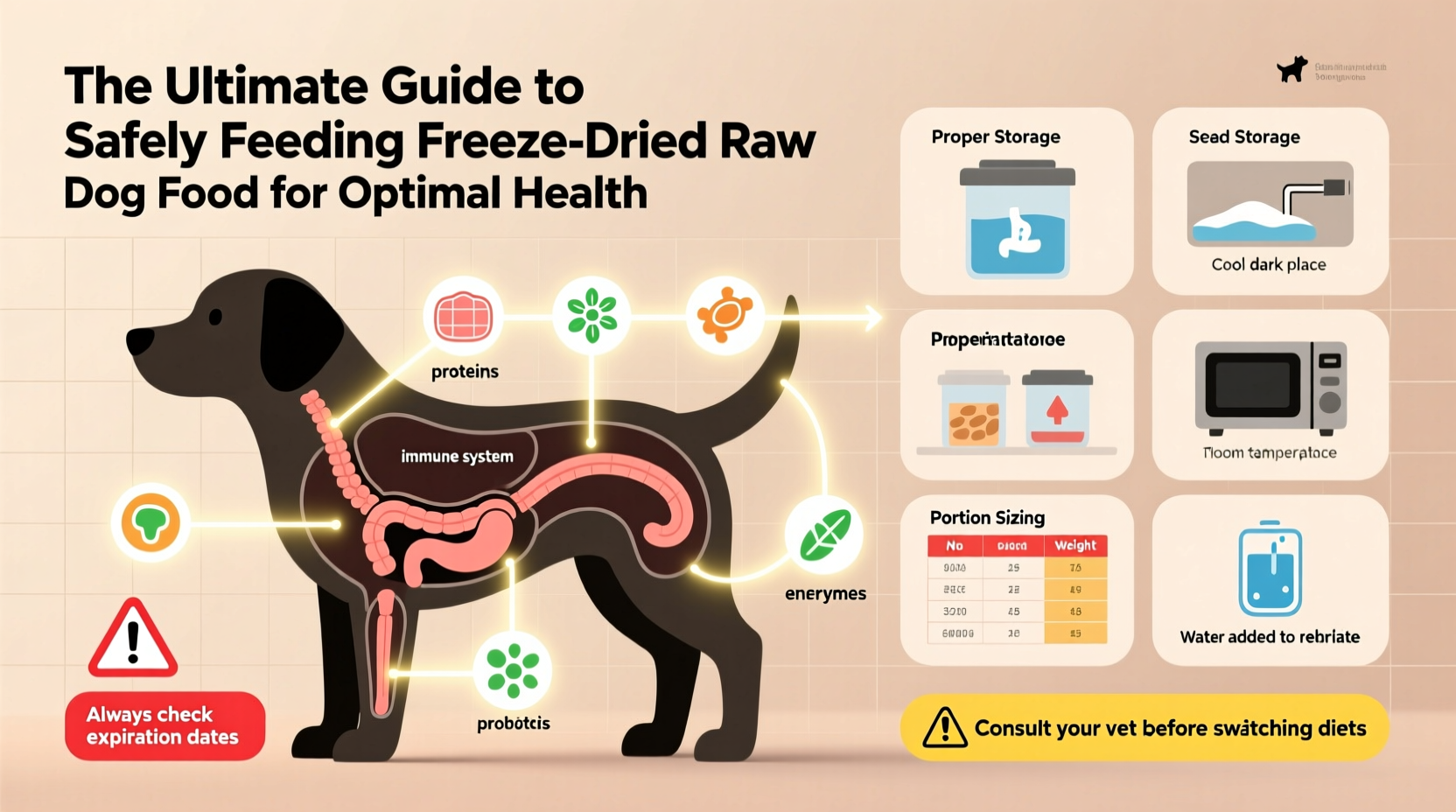
Freeze drying is a preservation method that removes moisture from raw ingredients through sublimation—turning ice directly into vapor without passing through a liquid phase. This process preserves enzymes, vitamins, and amino acids far more effectively than traditional cooking or extrusion methods used in kibble.
The result? A lightweight, shelf-stable product that retains nearly all the nutritional integrity of fresh raw food. When rehydrated with water, freeze dried meals closely resemble whole prey diets—typically containing muscle meat, organ meats, ground bone, and sometimes fruits and vegetables.
Unlike air-dried or dehydrated foods, which use heat and may degrade sensitive nutrients, freeze dried options maintain bioavailability, making them ideal for dogs with sensitivities or high-performance needs.
“Freeze dried raw diets offer one of the closest approximations to what dogs would eat in the wild, supporting species-appropriate nutrition.” — Dr. Karen Becker, Integrative Veterinarian
Step-by-Step Guide to Safe Feeding Practices
Feeding freeze dried raw isn’t just about pouring kibble into a bowl. To maximize safety and digestibility, follow this structured approach:
- Choose Reputable Brands: Look for companies that conduct regular pathogen testing (e.g., Salmonella, E. coli), use human-grade ingredients, and provide transparent sourcing information.
- Rehydrate Properly: Always add warm (not boiling) water and let sit for 5–10 minutes before serving. This softens texture, aids digestion, and ensures adequate hydration.
- Use Clean Bowls: Wash feeding bowls with hot, soapy water after each meal. Avoid cross-contamination by keeping raw prep areas separate from human food zones.
- Store Unopened Bags Correctly: Keep in a cool, dry place away from sunlight. Once opened, seal tightly or transfer to an airtight container to prevent oxidation.
- Discard Uneaten Food: If your dog doesn’t finish their meal within 30 minutes, throw it out. Bacteria can grow rapidly at room temperature.
Do’s and Don’ts of Freeze Dried Raw Feeding
| Do’s | Don’ts |
|---|---|
| Always rehydrate before feeding, especially for puppies and seniors | Never serve dry like kibble—can cause choking or dehydration |
| Transition slowly over 7–10 days to avoid GI upset | Don’t switch cold turkey; sudden changes disrupt gut microbiome |
| Wash hands thoroughly after handling raw products | Don’t let children or immunocompromised individuals handle the food |
| Monitor stool quality and energy levels weekly | Ignore persistent diarrhea, vomiting, or lethargy |
| Rotate protein sources monthly for nutrient diversity | Stick to one protein forever—increases allergy risk |
Nutritional Balance and Portion Control
A common misconception is that “raw means automatically healthy.” In reality, nutritional completeness depends on proper formulation. The Association of American Feed Control Officials (AAFCO) sets standards for canine nutrition, and reputable freeze dried brands should meet these for maintenance or all life stages.
To determine correct portions:
- Feed 2–3% of your dog’s ideal body weight per day, split into two meals.
- Puppies, pregnant dogs, or highly active breeds may need up to 5–6%.
- Adjust based on body condition—ribs should be palpable but not visible.
For example, a 50-pound adult dog typically needs about 1 to 1.5 cups of rehydrated food daily, depending on calorie density. Always refer to the feeding chart provided by the manufacturer, but treat it as a starting point—not a rigid rule.
Tip: Weigh your dog monthly and track changes in coat, breath odor, and joint mobility—these are subtle indicators of dietary adequacy.Real-Life Example: Max, the Rescue Beagle
Max, a 3-year-old beagle rescued from a hoarding situation, arrived with chronic ear infections, patchy fur, and low energy. His foster family tried several premium kibbles with minimal improvement. After consulting a veterinary nutritionist, they transitioned him to a rotating freeze dried raw diet featuring turkey, lamb, and rabbit.
Over eight weeks, using a gradual 10% increase per day, Max adapted well. By week six, his coat regained its luster, ear infections ceased, and he began playing like a puppy. Blood work showed improved liver enzymes and balanced electrolytes. His success wasn’t just due to the diet—but how it was introduced: slowly, safely, and monitored closely.
His case underscores that while freeze dried raw can transform health, the method of implementation matters as much as the food itself.
Essential Safety Checklist Before You Begin
Before switching your dog to freeze dried raw, complete this checklist to ensure safety and readiness:
- ✔ Consult your veterinarian, especially if your dog has kidney disease, pancreatitis, or immune disorders.
- ✔ Purchase a small bag first to test palatability and tolerance.
- ✔ Designate a dedicated spoon or scoop for raw food only.
- ✔ Install a stainless steel bowl that’s easy to sanitize.
- ✔ Set up a rehydration station near your sink with measuring tools.
- ✔ Educate all household members on hygiene protocols.
- ✔ Schedule a follow-up vet visit 6–8 weeks post-transition for bloodwork.
Frequently Asked Questions
Can I mix freeze dried raw with kibble?
Yes, but not ideally. Kibble digests faster than raw, which may cause fermentation in the gut if mixed frequently. If combining, feed them separately (e.g., raw in the morning, kibble at night) or consider fully transitioning for optimal digestive harmony.
Is freeze dried raw safe for puppies?
Absolutely—if the formula is AAFCO-approved for growth or all life stages. Puppies benefit greatly from the high bioavailable nutrients in raw diets. Just ensure proper rehydration and monitor growth curves closely.
Does freeze dried raw contain bacteria?
While manufacturers use high-pressure processing (HPP) to reduce pathogens, no raw product is 100% sterile. That said, healthy dogs have acidic stomachs capable of neutralizing most bacteria. Practice strict hygiene to protect vulnerable humans and pets.
Final Thoughts: Empowering Your Dog’s Health Journey
Choosing freeze dried raw food reflects a commitment to your dog’s long-term vitality. With thoughtful selection, precise preparation, and consistent monitoring, you’re not just feeding—you’re fueling a healthier, more vibrant life. The key lies in balancing innovation with caution: embracing modern nutrition while honoring timeless principles of cleanliness, moderation, and individualized care.
💬 Have experience with freeze dried raw feeding? Share your story or questions below—your insights could help another pet parent make a confident decision today.








