A luxury aesthetic fruit bowl is more than a functional piece—it’s a centerpiece. Whether crafted from hand-blown glass, polished marble, or artisanal ceramic, these bowls elevate your kitchen or dining space with elegance and intention. But beauty demands care. Improper cleaning or neglect can dull finishes, encourage staining, or even cause structural damage over time. Understanding how to clean and maintain your fruit bowl according to its material ensures it remains a stunning focal point for years.
Understanding Your Fruit Bowl’s Material
Luxury fruit bowls come in a variety of high-end materials, each requiring specific care protocols. Recognizing the composition of your bowl is the first step toward proper maintenance.
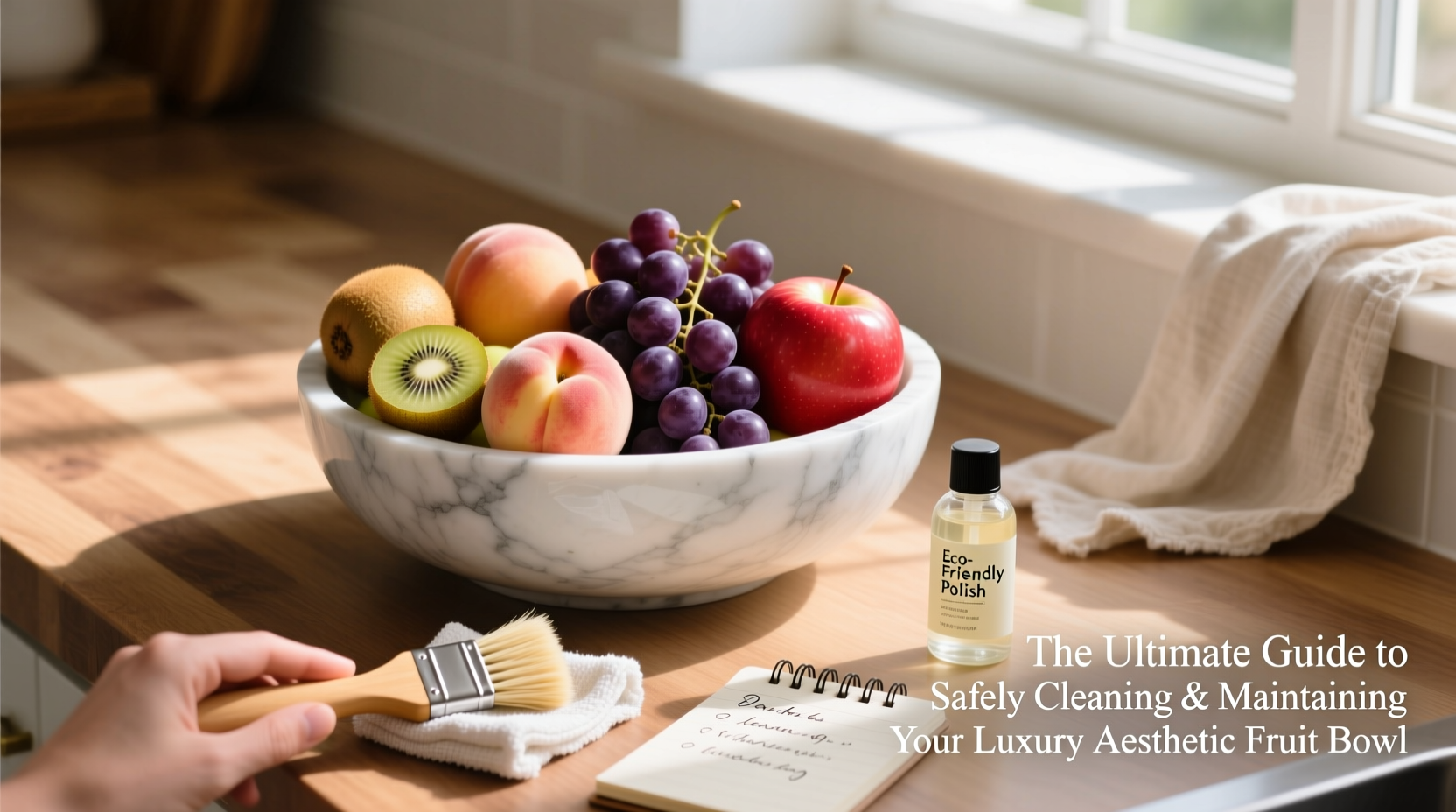
- Marble: Prized for its veined elegance and cool surface, marble is porous and susceptible to etching from acidic fruits like lemons or oranges.
- Crystal or Glass: Offers clarity and brilliance but can develop water spots or micro-scratches if cleaned improperly.
- Ceramic (Glazed): Often hand-painted or uniquely glazed, these bowls resist moisture but may fade under harsh chemicals.
- Metal (Brass, Copper, or Silver-Plated): Adds vintage glamour but tarnishes when exposed to moisture or fruit acids.
- Wood (Teak or Walnut): Warm and organic, yet vulnerable to warping and mold without regular oiling.
“Luxury isn’t just in the design—it’s in the details of upkeep. A well-maintained fruit bowl reflects both taste and discipline.” — Clara Montaigne, Interior Curator at Maison ÉclatTip: Always check manufacturer labels or product documentation. When in doubt, assume the material is delicate and proceed gently.
Step-by-Step Cleaning by Material Type
Different materials require tailored cleaning approaches. Follow this timeline-based guide to ensure safe, effective cleaning without compromising integrity.
For Marble Bowls
- Remove all fruit and rinse under lukewarm water—never hot, as thermal shock can crack stone.
- Use a soft microfiber cloth dampened with pH-neutral stone cleaner.
- Gently wipe the interior and exterior; avoid circular scrubbing to prevent swirl marks.
- Rinse thoroughly and dry immediately with a lint-free towel.
- Once monthly, apply a stone sealer following manufacturer instructions to protect against stains.
For Crystal or Glass Bowls
- Fill the sink with warm water and a single drop of mild dish soap.
- Submerge the bowl carefully, avoiding contact with other dishes to prevent chipping.
- Clean with a non-abrasive sponge or soft brush, focusing on crevices.
- Rinse under distilled water to minimize mineral deposits.
- Hand-dry with a microfiber cloth using slow, straight strokes to avoid streaks.
For Glazed Ceramic Bowls
- Wash with lukewarm water and gentle soap using a soft sponge.
- Avoid steel wool or abrasive pads—even fine ones can dull glaze over time.
- For dried-on residue, soak for 10 minutes before wiping.
- Dry completely before reuse to prevent moisture buildup underneath.
For Metal Bowls (Brass, Copper, Silver)
- Never leave fruit inside overnight—acids accelerate tarnishing.
- Wipe daily with a dry, soft cloth after use.
- Once weekly, clean with a specialized metal polish applied with a cotton pad.
- Buff to restore shine using a separate lint-free cloth.
- Store in a dry cabinet away from humidity.
For Wooden Bowls
- Never submerge in water—wipe only with a slightly damp cloth.
- Use a solution of equal parts white vinegar and water for light disinfecting.
- Dry immediately and thoroughly with a soft towel.
- Every 4–6 weeks, apply food-safe mineral oil or beeswax conditioner.
- Allow oil to absorb for 2–4 hours, then buff off excess.
Do’s and Don’ts: Maintenance Table by Material
| Material | Do’s | Don’ts |
|---|---|---|
| Marble | Seal annually, wipe spills quickly, use coasters under fruit | Use vinegar, lemon, or bleach cleaners; expose to heat |
| Crystal/Glass | Clean with distilled water, store wrapped in soft cloth | Use abrasive sponges, stack without padding |
| Glazed Ceramic | Hand-wash gently, display away from direct sunlight | Use scouring powders, microwave unless rated safe |
| Metal | Polish monthly, keep dry, store in anti-tarnish cloth | Expose to salt, citrus, or humid environments |
| Wood | Oil regularly, wipe with vinegar solution, air-dry | Soak in water, use commercial detergents, leave wet fruit |
Real Example: The Cost of Neglect
Sophie, an interior designer in Portland, inherited a hand-carved Carrara marble fruit bowl from her grandmother. She placed it on her sunlit kitchen island and filled it daily with lemons, limes, and apples. Within six months, the once-pristine surface developed dull etch marks and a stubborn orange stain near the rim. “I thought marble was sturdy,” she said. “I didn’t realize lemon juice could eat into the finish.” After consulting a stone restoration specialist, Sophie learned that daily exposure to citric acid had degraded the sealant and begun etching the calcium carbonate in the stone. The bowl required professional polishing and resealing—a $180 repair. Now, she lines it with a small linen napkin before adding fruit and cleans it within 30 minutes of use.
“Acidic fruits are the silent killers of natural stone. Prevention is far cheaper than restoration.” — Rafael Torres, Stone Conservation Specialist
Monthly Maintenance Checklist
Stay proactive with this simple checklist to preserve your fruit bowl’s condition:
- ✅ Wipe down after every use with appropriate cloth (microfiber for stone/glass, dry cotton for metal)
- ✅ Inspect for signs of staining, cloudiness, or tarnish
- ✅ Deep clean using material-specific method (once monthly)
- ✅ Reapply sealant (marble), oil (wood), or polish (metal) as needed
- ✅ Rotate placement to avoid prolonged UV exposure from windows
- ✅ Store in a padded cabinet when not in use for extended periods
Frequently Asked Questions
Can I leave fruit in my luxury bowl overnight?
No. Even non-acidic fruits release moisture and natural sugars that can attract mold, promote bacterial growth, or cause staining—especially on porous materials like marble or wood. Remove fruit before bedtime and clean the bowl the next morning.
How do I remove a stain from a marble bowl?
For organic stains (fruit juice, wine), make a paste of baking soda and water. Apply to the stain, cover with plastic wrap, and let sit for 24 hours. Wipe clean and rinse. For oil-based stains, use a poultice made with talc powder and acetone (test in an inconspicuous area first). If the stain persists, consult a stone professional.
Is it safe to use vinegar on ceramic or glass bowls?
Vinegar is generally safe for glazed ceramic and glass when diluted (1 part vinegar to 3 parts water) and rinsed thoroughly. However, never use vinegar on marble, limestone, or any calcite-based stone—it will etch the surface. Also avoid vinegar on unsealed wood or metal bowls.
Final Thoughts: Elevate Care as Part of Your Lifestyle
A luxury aesthetic fruit bowl is a statement of refinement. Its presence invites mindfulness—not just in design, but in stewardship. Treating it with consistent, informed care honors both the craftsmanship and your personal standards. By aligning your cleaning habits with the material’s needs, you protect its beauty and extend its life far beyond trends. This isn’t mere maintenance; it’s ritualistic appreciation.
💬 Have a favorite cleaning hack or restoration story? Share your experience in the comments and inspire others to care for their luxury pieces with confidence and grace.








