Dogs love their toys—chewing, tossing, tugging, and slobbering on them daily. While these playthings bring joy and mental stimulation, they also accumulate dirt, bacteria, saliva, and food residue over time. A toy that looks clean on the surface may harbor mold, yeast, or harmful pathogens like E. coli. Regular cleaning isn’t just about appearance; it’s essential for your pet’s health. This guide provides safe, effective, and practical methods to clean every type of dog toy at home using accessible tools and non-toxic solutions.
Why Cleaning Dog Toys Matters
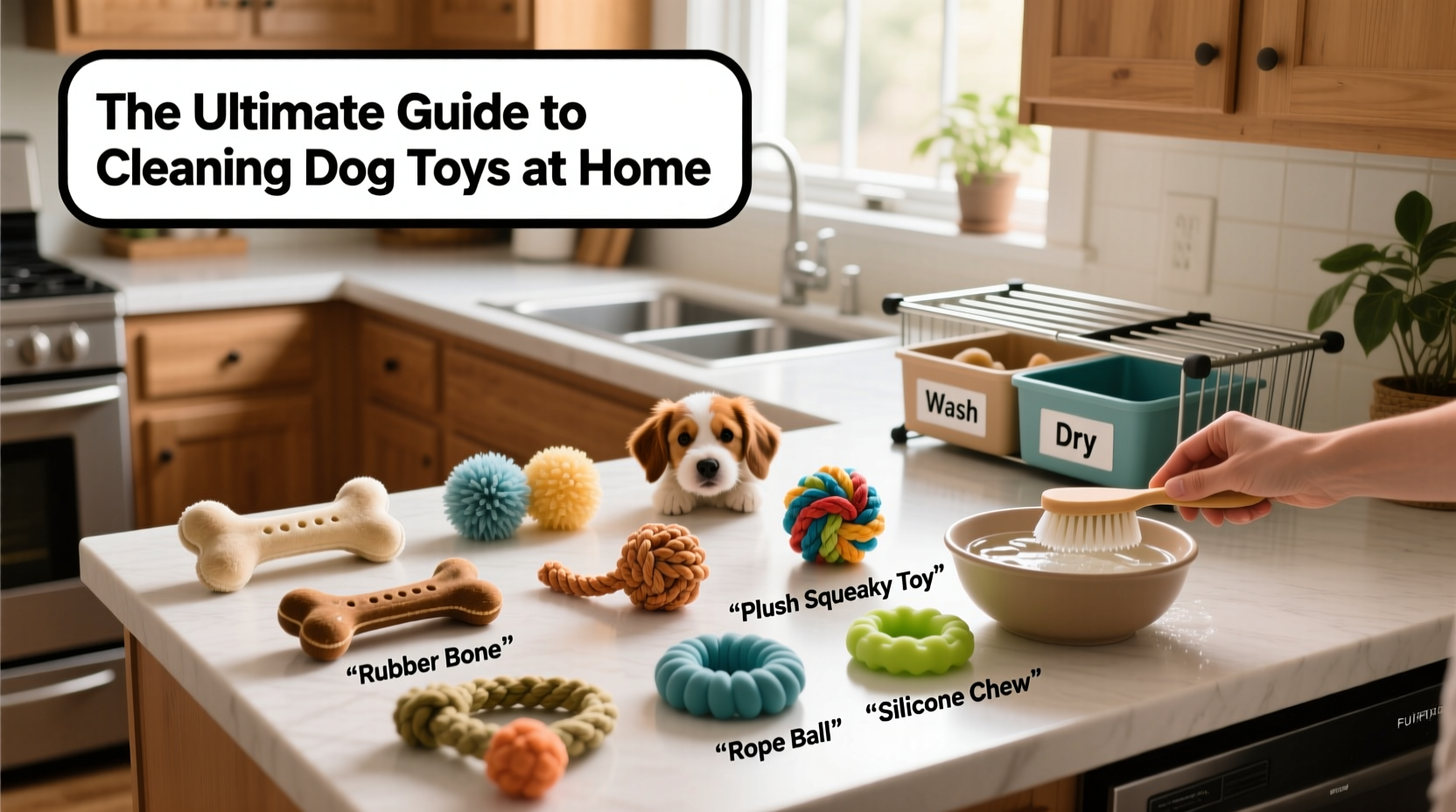
Dog toys are exposed to environments that promote bacterial growth: muddy yards, saliva-soaked floors, and even litter boxes if shared with cats. Over time, uncleaned toys become breeding grounds for germs. According to Dr. Laura Greensmith, a veterinary microbiologist at Cornell University, “Toys left unwashed for weeks can carry microbial loads comparable to kitchen sponges—some of the filthiest items in the household.”
Regular cleaning reduces the risk of gastrointestinal upset, skin infections, and oral diseases in dogs. It also extends the lifespan of toys by preventing material degradation caused by trapped moisture and grime.
“Just like children’s toys, dog toys need routine sanitation. Skipping this step risks exposing your pet to preventable illness.” — Dr. Laura Greensmith, Veterinary Microbiologist
Know Your Toy Types Before You Clean
Not all dog toys react the same way to water, heat, or cleaning agents. Using the wrong method can ruin materials or leave behind toxic residues. Identify the toy category first:
- Rubber toys: Durable, chew-resistant (e.g., KONGs).
- Plush toys: Soft fabric exteriors with stuffing.
- Rope toys: Made from cotton or synthetic fibers, often used for tug-of-war.
- Plastic toys: Hollow or solid, sometimes filled with treats.
- Latex or vinyl toys: Flexible but porous; prone to cracking.
- Edible chews: Not washable—replace when soiled.
Step-by-Step Guide to Cleaning Each Type of Dog Toy
A one-size-fits-all approach doesn’t work. Follow these tailored steps for safe, thorough cleaning.
1. Rubber and Plastic Toys
- Remove visible debris with a soft brush or toothbrush.
- Soak in warm, soapy water (use mild dish soap) for 10 minutes.
- Scrub inside crevices with a bottle brush if hollow.
- Rinse thoroughly under running water.
- Sanitize by soaking in a solution of 1 part white vinegar to 3 parts water for 5 minutes—or use a diluted bleach solution (1 tablespoon unscented bleach per gallon of water) for tough contamination.
- Rinse again until no odor remains.
- Air-dry completely in a well-ventilated area, away from direct sunlight.
2. Plush Toys
- Inspect for loose seams or damage; repair if needed.
- Vacuum lightly to remove surface hair and dust.
- Machine wash on gentle cycle using cold water and fragrance-free detergent.
- Add a second rinse cycle to ensure soap removal.
- Air-dry or tumble dry on low heat without dryer sheets (which contain irritants).
- Fluff occasionally during drying to restore shape.
3. Rope Toys
- Shake out loose debris.
- Hand wash in warm, soapy water, working fingers through fibers.
- Rinse under running water until suds disappear.
- Soak in vinegar solution (1:3 ratio) for 10 minutes to kill bacteria.
- Lay flat to dry, stretching slightly to prevent knot tightening.
- Discard if frayed or discolored after cleaning.
4. Latex and Vinyl Toys
- Wipe exterior with damp cloth and mild soap.
- Rinse with clean water; do not soak (porous materials absorb contaminants).
- Sanitize with vinegar solution applied via spray or wipe.
- Allow full air-dry—never use heat.
- Inspect for cracks or stickiness; discard if present.
Cleaning Frequency and Best Practices
How often you clean depends on usage, environment, and your dog’s habits. Dogs that eat while playing or spend time outdoors require more frequent toy maintenance.
| Toy Type | Recommended Cleaning Frequency | Special Notes |
|---|---|---|
| Rubber/Plastic | Weekly | Sanitize biweekly if used outdoors or shared between dogs |
| Plush | Every 1–2 weeks | Spot-clean spills immediately; deep clean monthly |
| Rope | Every 7–10 days | Highly absorbent—dry fully to prevent mildew |
| Latex/Vinyl | After each use | Never machine wash; prone to breakdown |
Real Example: The Case of Max and His Moldy Squeaky Toy
Max, a 3-year-old Labrador, began sneezing frequently and pawing at his mouth after play sessions. His owner noticed a faint musty smell coming from his favorite plush squeaker. Upon inspection, dark spots were visible near the seam—mold growing inside due to incomplete drying after outdoor use. After discontinuing the toy and implementing a weekly wash-and-air-dry routine, Max’s symptoms resolved within days. His vet confirmed the issue was likely allergic irritation from fungal spores.
This case highlights two key points: moisture retention is dangerous, and regular inspection is crucial—even for seemingly harmless toys.
Do’s and Don’ts of Dog Toy Cleaning
| Do’s | Don’ts |
|---|---|
| Use natural disinfectants like white vinegar or hydrogen peroxide (3%) | Use scented cleaners or antibacterial wipes with phenol or bleach residues |
| Air-dry toys completely before returning to your dog | Put wet toys back in bins—this encourages bacterial growth |
| Label storage bins for “clean” vs. “dirty” toys | Mix uncleaned toys with fresh ones |
| Replace cracked, broken, or heavily worn toys | Attempt to repair damaged toys with glue or tape |
Frequently Asked Questions
Can I put dog toys in the dishwasher?
Yes—but only hard rubber or plastic toys labeled as dishwasher-safe. Place them on the top rack and avoid high-heat drying cycles. Never put plush, rope, or latex toys in the dishwasher, as heat and agitation will damage them.
Is vinegar safe for cleaning dog toys?
Yes, white vinegar (5% acetic acid) is a safe, effective disinfectant. It kills most bacteria and mold without leaving toxic residues. Rinse thoroughly afterward to remove odor, which may deter some dogs.
How do I know when to throw a toy away?
Discard toys if they show any of these signs: deep cracks, exposed stuffing, sharp edges, strong odors after washing, or broken parts like squeakers poking through fabric. When in doubt, replace it.
Your Action Plan: Keep Playtime Safe and Healthy
Clean dog toys are a simple yet powerful way to protect your pet’s well-being. Start today by sorting your dog’s current toys by type, discarding damaged ones, and scheduling a cleaning day each week. Use the checklist below to stay consistent.
✅ Cleaning Checklist
- Sort toys by material type
- Discard broken or unsafe items
- Pre-clean by brushing off debris
- Wash using appropriate method per toy type
- Sanitize with vinegar or dilute bleach solution
- Rinse thoroughly
- Air-dry completely in ventilated space
- Store clean toys separately in a dry bin
- Schedule next cleaning session
“Hygiene isn’t optional when it comes to pet toys. A few minutes of cleaning can prevent days of illness.” — Dr. Sarah Nguyen, Small Animal Veterinarian🚀 Take action now: Pick up one dirty toy today and clean it using the right method. Share your routine in the comments—your experience could help another pet parent keep their dog safer and healthier.









