For pet owners who live on the move, a dog carrier purse isn’t just a convenience—it’s an extension of their daily routine. Whether you're commuting through city streets, traveling by plane, or simply running errands, carrying your small dog in a stylish yet functional bag blends practicality with personal flair. But not all carriers are created equal. The right choice depends on more than just looks; it hinges on your lifestyle, your dog’s temperament, and how you plan to use it. This guide breaks down every factor that matters, so you can make a confident, informed decision.
Assess Your Lifestyle First
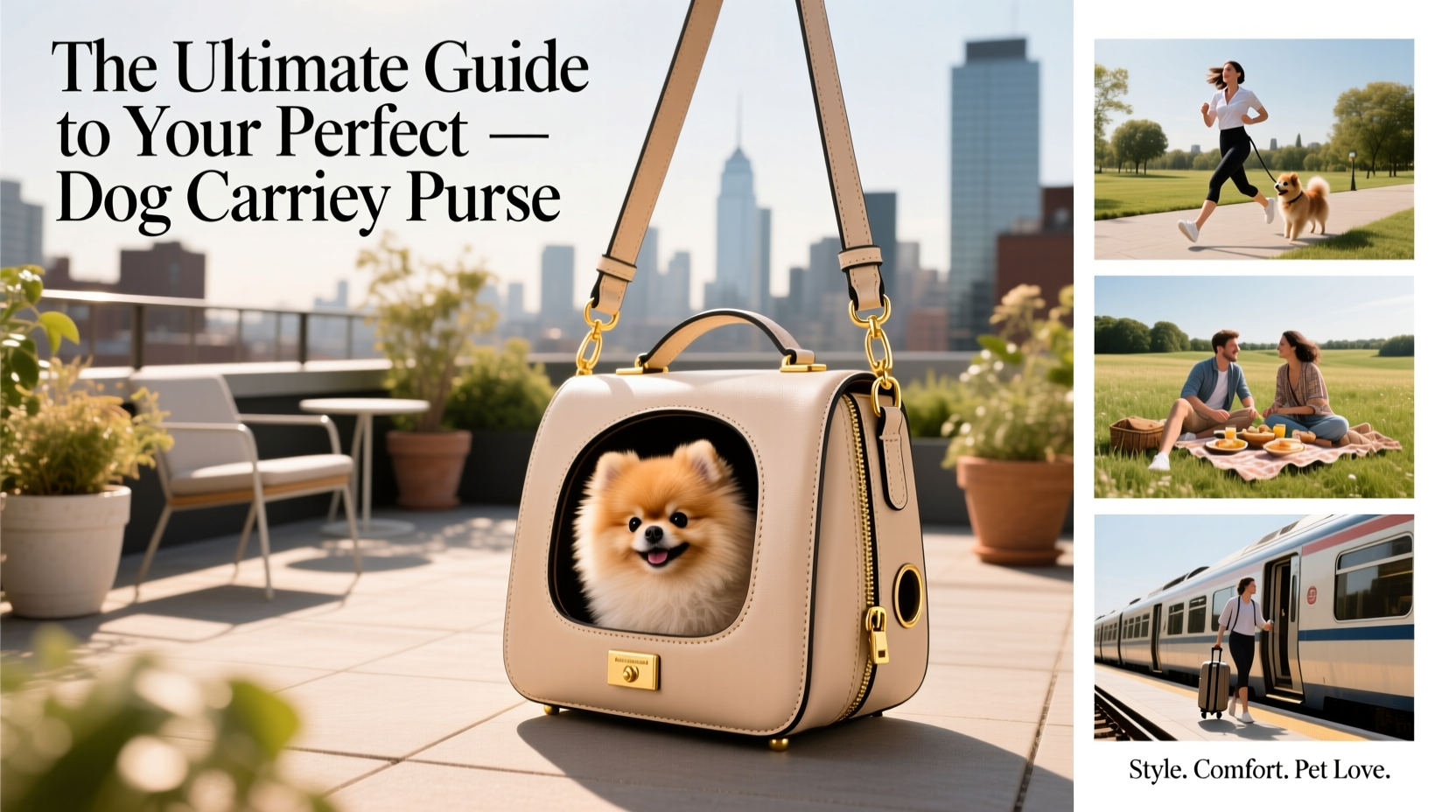
The foundation of selecting the ideal dog carrier purse begins with understanding your daily rhythm. A carrier that works for a weekend traveler won’t necessarily suit a daily commuter. Consider these common lifestyles:
- Urban commuter: Prioritize lightweight materials, slim profiles, and durability. Look for water-resistant fabrics and secure zippers.
- Frequent traveler: Airline-compliant sizing is essential. Choose soft-sided carriers that fit under seats and meet IATA standards.
- Fashion-focused owner: Style takes center stage. Design-forward options in leather, vegan materials, or designer collaborations may appeal.
- Active adventurer: Opt for crossbody or backpack-style carriers with padded straps, ventilation, and rugged construction.
Your routine dictates features like weight distribution, ease of access, and storage pockets. If you’re often hands-free, a hands-free design becomes non-negotiable.
Tip: Always test the carrier with your dog’s weight—even if it feels light when empty, prolonged use can strain shoulders.Know Your Dog’s Needs
A carrier should feel like a safe den, not a confinement. Dogs vary widely in size, energy level, and anxiety triggers. Before selecting a style, evaluate your pet’s physical and emotional profile.
Dogs under 15 pounds—such as Chihuahuas, Pomeranians, or toy poodles—are typically best suited for purse-style carriers. Larger breeds or those with high anxiety may resist enclosed spaces, requiring gradual acclimation.
“Comfort isn’t just about space—it’s about predictability. A dog should associate the carrier with safety, not stress.” — Dr. Lena Torres, Veterinary Behavior Specialist
Key Comfort Factors
- Interior dimensions: Your dog should stand, turn around, and lie down comfortably.
- Ventilation: Mesh panels on at least two sides promote airflow and reduce overheating.
- Padding: Cushioned bottoms and side walls absorb shock during movement.
- Entry points: Top-loading styles offer security; front-loading designs allow easier interaction.
Never prioritize aesthetics over breathability. A fashionable carrier with poor airflow risks heat stress, especially in warm climates.
Compare Carrier Styles: Pros and Cons
Different carrier shapes serve different purposes. Below is a detailed comparison of the most popular dog carrier purse styles available today.
| Style | Best For | Pros | Cons |
|---|---|---|---|
| Tote-Style | Short trips, urban walks | Easy access, classic look, room for personal items | Limited shoulder support, less secure for active dogs |
| Backpack Carrier | Hiking, travel, long walks | Ergonomic weight distribution, hands-free, durable | Bulkier, less fashionable, harder to monitor dog |
| Crossbody Sling | Daily errands, quick outings | Lightweight, stylish, keeps dog close | Less padding, limited space, not airline-approved |
| Soft-Sided Duffel | Travel, vet visits | Spacious, often airline-compliant, structured shape | Heavy when packed, requires floor placement |
| Designer Fashion Purse | Special events, photo outings | High-end materials, Instagram-worthy | Expensive, minimal functionality, poor ventilation |
If versatility is key, consider convertible models that switch between tote and backpack modes. These hybrid designs offer flexibility without sacrificing form.
Step-by-Step: Choosing the Right Carrier
Follow this five-step process to ensure you select a carrier that aligns with both your lifestyle and your dog’s well-being.
- Measure your dog: Length from nose to tail base, height at shoulders, and weight. Add 2–3 inches to each dimension for comfort.
- Check airline requirements (if applicable): Most airlines require carriers under 18” x 11” x 11” for under-seat storage.
- Evaluate materials: Nylon and polyester are durable and easy to clean. Genuine leather offers elegance but requires maintenance. Vegan leather balances both.
- Test ergonomics: Wear the empty carrier for 10 minutes. Does it dig into your shoulder? Is the handle comfortable?
- Introduce it gradually: Let your dog explore the carrier at home with treats and toys before using it outdoors.
Real-Life Example: From Anxiety to Adventure
Sophia, a graphic designer in Seattle, adopted a shy 7-pound Cavalier King Charles Spaniel named Milo. Initially, he trembled at the sight of her old canvas tote. After researching, she switched to a front-facing sling with mesh windows and a removable cushion. She introduced it slowly—first leaving it open with treats inside, then short indoor sessions, followed by brief sidewalk walks.
Within three weeks, Milo anticipated outings. The new carrier allowed eye contact, reduced motion isolation, and gave him a sense of inclusion. “It wasn’t just about the bag,” Sophia said. “It was about making him feel part of my world.”
This case illustrates that the right carrier doesn’t just transport—it connects.
Essential Checklist Before You Buy
Before finalizing your purchase, run through this checklist to avoid costly mistakes:
- ✅ Carrier interior allows dog to turn and lie down naturally
- ✅ Ventilation on multiple sides for consistent airflow
- ✅ Secure closure mechanism (zippers, buckles, or snaps)
- ✅ Washable liner or removable insert for easy cleaning
- ✅ Weight limit exceeds your dog’s current weight by at least 5 lbs
- ✅ Straps or handles are reinforced and comfortable for extended wear
- ✅ Reflective details or bright colors for visibility in low light
- ✅ Meets airline size requirements if used for flying
Skipping even one of these can compromise safety or usability. Never assume a stylish exterior means quality construction.
Frequently Asked Questions
Can I use a regular handbag as a dog carrier?
No. Regular handbags lack proper ventilation, structural support, and safety features. Using them can lead to overheating, falls, or injury. Always choose a carrier specifically designed for pets.
How do I clean a dog carrier purse?
Most carriers have removable, machine-washable liners. Wipe down hard surfaces with pet-safe disinfectant. Avoid submerging the entire unit unless the manufacturer specifies it’s safe. Air dry completely before reuse.
Are expensive designer carriers worth it?
Only if they meet functional criteria. Some luxury brands prioritize appearance over ventilation or padding. Research reviews and specs before investing. Function should always precede fashion when pet safety is involved.
Final Thoughts: Style Meets Responsibility
Choosing the perfect dog carrier purse isn’t about following trends—it’s about matching form to function in a way that respects your lifestyle and your dog’s needs. The best carriers disappear into your routine because they work seamlessly: secure, comfortable, and intuitive. Whether you're boarding a flight, strolling through a farmers market, or navigating rush hour, your dog deserves to travel in safety and dignity.
💬 Found the perfect carrier for your life? Share your story or tips in the comments—your experience could help another pet parent make the right choice.








