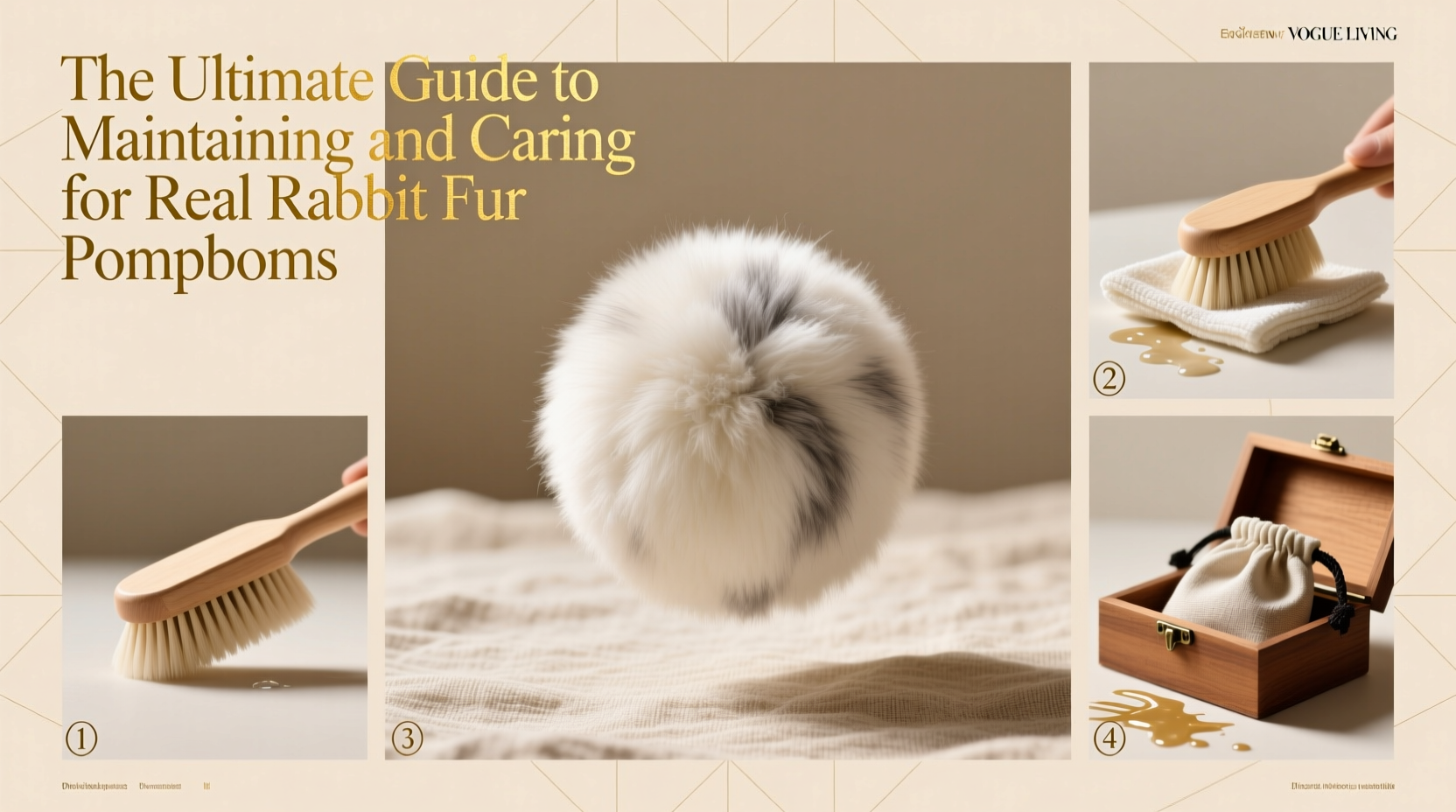
Real rabbit fur pompoms are prized for their softness, natural luster, and luxurious texture. Often used on hats, gloves, coats, and fashion accessories, they add elegance and warmth. However, unlike synthetic alternatives, genuine rabbit fur requires careful maintenance to preserve its beauty and longevity. Improper care can lead to matting, shedding, discoloration, or irreversible damage. This guide provides detailed, expert-backed methods to clean, store, restore, and protect your rabbit fur pompom through every season.
Understanding Rabbit Fur Characteristics
Rabbit fur is delicate compared to other animal furs. It has fine guard hairs over a dense undercoat, which gives it a plush feel but also makes it prone to tangling and moisture absorption. Unlike coarser furs such as mink or fox, rabbit fur lacks natural water resistance and can flatten easily under pressure. Its sensitivity to heat, humidity, and friction means that even minor mishandling can degrade its appearance over time.
The natural oils in rabbit skin help condition the fur, but once the pelt is processed, those oils diminish. Without proper care, the fibers become brittle. Additionally, dyed rabbit fur—common in fashion items—can fade when exposed to sunlight or improperly cleaned.
“Rabbit fur is one of the most fragile natural furs used in accessories. Gentle handling and climate-aware storage are non-negotiable.” — Lydia Grant, Fur Preservation Specialist, Textile Heritage Institute
Step-by-Step: Cleaning Your Rabbit Fur Pompom
Cleaning rabbit fur requires patience and precision. Never submerge the pompom in water or use household detergents, as this can cause clumping, shrinkage, or dye bleeding. Instead, follow this gentle dry-cleaning method:
- Remove Surface Dust: Use a soft-bristled clothes brush or a wide-tooth comb to gently detangle and lift surface dust. Always brush in the direction of fur growth to avoid pulling out fibers.
- Spot Clean Stains: Dampen a clean microfiber cloth with a small amount of white vinegar mixed with distilled water (1:3 ratio). Lightly dab the stained area—never rub. Let air dry completely away from direct heat.
- Use Cornstarch for Grease or Odors: Sprinkle cornstarch lightly over the fur. Gently massage it in with fingertips to absorb oils and neutralize odors. Leave for 15–20 minutes, then shake out thoroughly and brush again.
- Air Out: Hang the item in a well-ventilated room (not in direct sunlight) for several hours to ensure no moisture remains.
Proper Storage Techniques
Improper storage is the leading cause of deterioration in rabbit fur pompoms. Moths, humidity, and compression can ruin the texture and appearance within months if not addressed.
Store your pompom in a breathable cotton bag or pillowcase. Avoid plastic containers or vacuum-sealed bags, which trap moisture and encourage mildew. Place the bag in a cool, dark closet with stable temperature (ideally 60–70°F / 15–21°C) and low humidity (below 50%). Include cedar blocks or lavender sachets to naturally repel moths—never use mothballs, as their chemicals can yellow fur and leave a strong odor.
| Storage Factor | Do | Don't |
|---|---|---|
| Container | Cotton garment bag | Plastic bin or sealed pouch |
| Location | Cool, dark closet | Attic, basement, or near radiator |
| Pest Control | Cedar, lavender, regular airing | Mothballs or chemical sprays |
| Position | Lay flat or hang loosely | Compressed under heavy items |
Restoring a Flattened or Matted Pompom
Over time, especially after being packed or worn frequently, rabbit fur pompoms can lose their volume. Reviving them requires careful fluffing and reshaping.
Begin by gently separating matted sections with your fingers. If tangles persist, use a fine-tooth comb starting from the base and working outward. Hold the root firmly to avoid pulling out fur. For flattened areas, hold the pompom above (not in) the steam from a boiling kettle for a few seconds. The warm vapor loosens the fibers, making them easier to reshape. Immediately afterward, blow-dry on a cool setting while fluffing with your hand to restore bounce.
“In restoration, less is more. Aggressive brushing or excessive steaming can do more harm than good.” — Marco Solis, Fur Restoration Artisan, Montreal
Seasonal Care Checklist
- Before winter: Inspect for loose stitching or thinning areas; reinforce attachment if needed.
- After each wear: Shake gently to release dust and allow to air out for 1–2 hours.
- Mid-season: Perform light brushing and odor treatment with cornstarch.
- End of season: Deep clean using the dry method, then store properly before summer.
- Every 3 months in storage: Check for pests, moisture, or compression damage.
Real Example: Reviving a Heirloom Hat Trim
Sophie from Vermont inherited her grandmother’s vintage beret adorned with a cream-colored rabbit fur pompom. After decades in a cedar chest, the fur was matted and dull. She avoided washing it and instead followed the cornstarch method, gently brushing daily for a week. She aired it monthly and stored it in a breathable linen pouch. Within two months, the pompom regained much of its original softness and volume. A local milliner later reattached it securely, preserving both the sentimental and aesthetic value of the piece.
This case illustrates how consistent, gentle care—even on aged fur—can yield impressive results without professional intervention.
Frequently Asked Questions
Can I wash a rabbit fur pompom in the washing machine?
No. Machine washing causes irreversible felting, shrinkage, and fiber loss. Always use dry-cleaning techniques like brushing and cornstarch treatment.
Why is my pompom shedding?
Some shedding is normal, especially in new items, as loose fibers settle. Excessive shedding may indicate poor initial processing, exposure to heat, or over-handling. Minimize friction and avoid pulling on the fur.
How often should I clean my rabbit fur pompom?
Light maintenance (brushing and airing) should be done after every few wears. A deeper cleaning with cornstarch is recommended once per season, or whenever odor or soiling is noticeable.
Conclusion: Preserve Beauty Through Mindful Care
A real rabbit fur pompom is more than a decorative accent—it’s a natural material that responds to how it’s treated. With attentive brushing, smart storage, and seasonal upkeep, it can remain soft, full, and radiant for years. Avoid shortcuts like machine cleaning or plastic storage, and respect the fur’s biological limits. By integrating these practices into your routine, you honor both the craftsmanship of the accessory and the resource from which it came.
💬 Have a favorite tip for keeping fur pompoms fresh? Share your experience in the comments and help others maintain their winter elegance with confidence.








