Understanding your face shape is one of the most powerful tools in personal style and grooming. Whether you're selecting a new haircut, growing a beard, or choosing eyewear, aligning your choices with your facial structure enhances symmetry, highlights your best features, and creates a polished appearance. Yet, many people make styling decisions based on trends rather than anatomy—leading to mismatched results. This guide breaks down the seven primary face types, how to accurately identify yours, and what styles work best for each.
Why Face Shape Matters in Style and Grooming
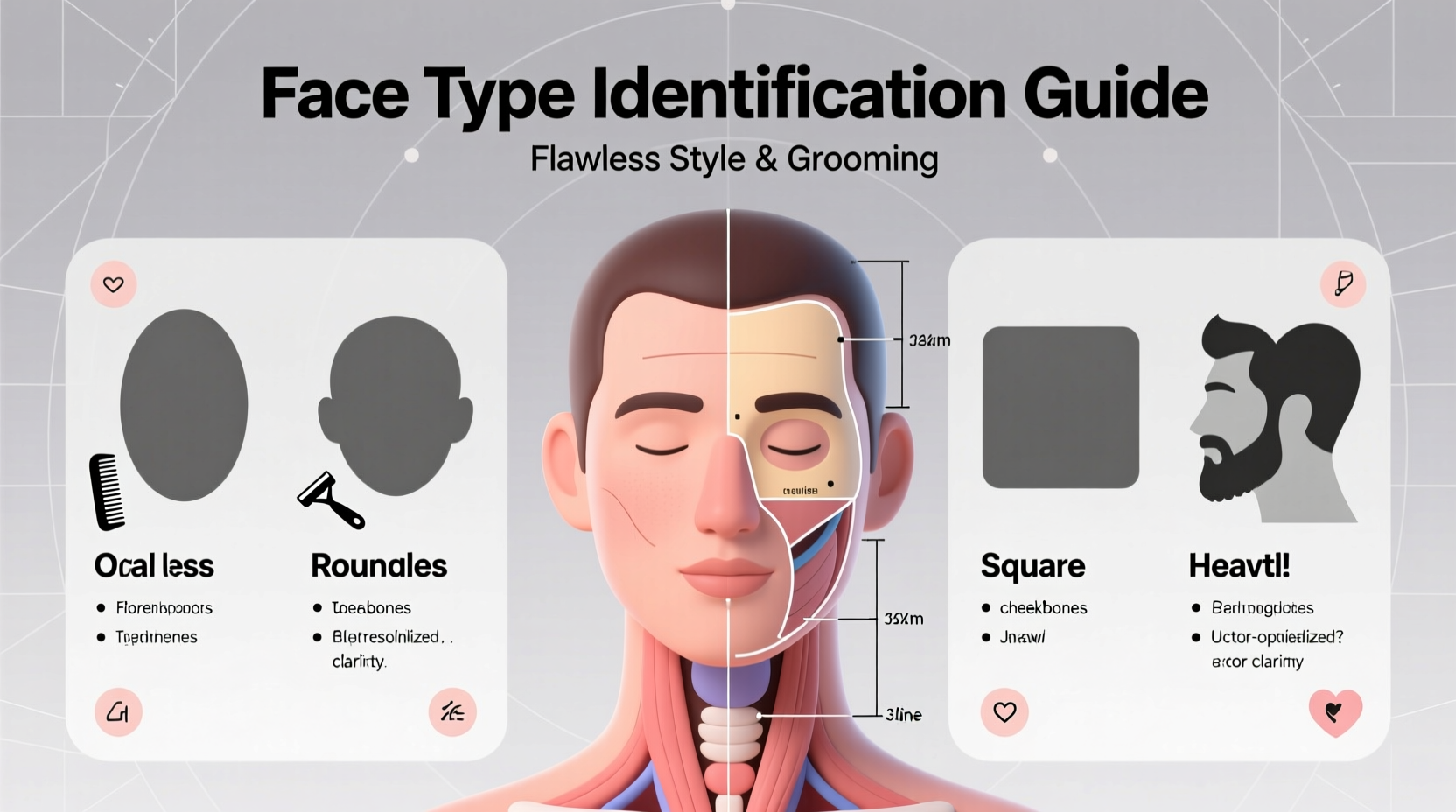
Your face isn't just a canvas—it's a geometric framework that interacts with hair, facial hair, and accessories. A well-chosen hairstyle can elongate a round face, soften a strong jawline, or add balance to high cheekbones. The same cut that flatters an oval face may overwhelm a heart-shaped one. Similarly, the wrong beard style can make a square jaw appear boxy or a narrow chin disappear.
Fashion stylists and barbers use face shape as a foundational principle. When done correctly, it turns grooming from guesswork into precision. Knowing your face type empowers you to make informed decisions, saving time, money, and frustration at the salon or while shopping online.
How to Identify Your Face Type: A Step-by-Step Guide
Identifying your face shape requires measurement and observation. Follow this process for accurate results:
- Wash and dry your hair – Pull it back or wear it naturally, but ensure your hairline and jaw are visible.
- Stand in front of a mirror with good lighting and use a soft measuring tape.
- Measure four key areas:
- Forehead width: From one hairline edge to the other across the forehead.
- Cheekbone width: From the outer edge of one cheekbone to the other.
- Jawline width: From one jaw angle to the other at the bottom of your face.
- Face length: From the center of your hairline to the tip of your chin.
- Compare proportions using these measurements. Note which dimension is longest or most dominant.
- Determine your shape by matching your measurements to the characteristics described below.
The 7 Primary Face Shapes and Their Styling Rules
Once you’ve measured, compare your results to the following categories. Most faces fall into one of these seven types:
| Face Shape | Key Features | Best Haircuts | Avoid |
|---|---|---|---|
| Oval | Face length > width; balanced proportions; slightly narrower at jaw | Virtually all styles—fade cuts, side parts, textured quiffs | Overly long sides that shorten face |
| Square | Broad forehead, wide jaw, sharp angles; length ≈ width | Textured tops, medium-length layers, soft pompadours | Blunt bangs, flat-top cuts |
| Round | Width ≈ length; full cheeks; soft jawline | High fades, angular fringes, volume on top | Short bobs, tight curls on sides |
| Rectangular / Oblong | Longer than wide; high forehead; straight cheekline | Side-swept bangs, medium-length cuts, textured layers | Very short crops, excessive height on top |
| Heart | Wide forehead, narrow chin; pointed jaw | Side parts, undercuts, medium-length layers | Center parts, spiky tops |
| Diamond | Narrow forehead and jaw; wide cheekbones; pointed chin | Soft fringes, medium-length waves, side parts | Extreme height on top, slick backs |
| Triangular / Inverted Triangle | Wide forehead, strong jaw tapering to narrow chin | Textured crops, fringe styles, longer back | Short sides with tall tops |
Real Example: Transforming Style with Face Shape Awareness
Take James, a 32-year-old professional who always felt his hair looked “off” despite copying styles from magazines. He had a square face but kept opting for flat-top fades that emphasized his jaw’s width. After measuring his face and learning he was square-shaped, his barber recommended a textured crop with a slight gradient fade. The softer top broke up the angularity, and James immediately noticed people commenting on how “refreshed” he looked. It wasn’t a trend—he’d finally found a cut that worked with his structure.
“Most men come in wanting a celebrity haircut without realizing their face shape tells a different story. Matching the cut to the bone structure is where true style begins.” — Marcus Reed, Master Barber & Grooming Consultant
Grooming and Accessory Tips by Face Shape
Styling doesn’t stop at hair. Facial hair, glasses, and even sideburns should complement your face geometry.
Beard Guidelines
- Oval: Experiment freely—goatees, full beards, stubble.
- Square: Keep the beard trimmed neatly to avoid exaggerating width.
- Round: Grow length in the chin area to elongate the face.
- Oblong: Opt for fuller sideburns and mustaches to add width.
- Heart: Light stubble or goatee balances the narrow chin.
- Diamond: Short boxed beards enhance jaw definition.
- Triangular: Avoid heavy chin straps; focus on lower jaw coverage.
Choosing Eyewear
Glasses should contrast your face’s natural lines. For example:
- Round faces benefit from angular frames (rectangular or square).
- Square faces suit round or oval lenses to soften edges.
- Heart-shaped faces look best in bottom-heavy or aviator-style frames.
- Oblong faces need low-set frames with wide temples to reduce length.
Checklist: Confirming and Applying Your Face Shape
Use this checklist to ensure accuracy and maximize your grooming potential:
- ✅ Measured forehead, cheekbones, jaw, and face length
- ✅ Compared measurements to standard face shape criteria
- ✅ Identified dominant feature (length, width, angles)
- ✅ Researched hairstyles suited to your shape
- ✅ Consulted a barber or stylist with your findings
- ✅ Tested a new cut with room for adjustment
- ✅ Evaluated results in natural light from multiple angles
- ✅ Adjusted beard or accessories to support overall balance
Frequently Asked Questions
Can my face shape change over time?
While bone structure remains consistent, factors like weight fluctuations, aging, and muscle tone can alter the appearance of your face. A round face may become more oval with weight loss; jawlines may soften with age. Reassess every few years, especially after major physical changes.
What if I have a mix of two face shapes?
Many people have hybrid shapes—like oval-square or round-diamond. Focus on the most dominant traits. If your jaw is angular but your length is oval-like, prioritize softening the angles while maintaining proportion. Hybrid shapes often have more styling flexibility.
Do hairstyles really make that much of a difference?
Yes. A study published in the *Journal of Cosmetic Dermatology* found that participants perceived individuals with face-appropriate haircuts as more attractive, confident, and put-together—even when clothing and expressions were identical. The right cut shifts visual attention and enhances harmony.
Final Thoughts: Style That Works With You, Not Against You
Mastering your face shape transforms grooming from trial and error into a strategic advantage. You don’t need to follow every trend or mimic influencers. Instead, build a personal style language rooted in proportion, balance, and self-awareness. Whether you prefer clean-shaven minimalism or bold, textured hair, let your anatomy guide the way.
💬 Ready to redefine your look? Measure your face today, share your shape in the comments, and discover the styles that were made for your unique structure.








