
Doodle dogs—crosses between Poodles and other breeds like Labrador Retrievers or Golden Retrievers—are beloved for their intelligence, affectionate nature, and low-shedding coats. However, their curly or wavy fur requires consistent grooming to prevent mats, skin irritation, and discomfort. While professional grooming is an option, learning how to groom your doodle at home saves money, reduces stress for your dog, and strengthens your bond. This guide covers everything you need to know: from essential tools and best practices to step-by-step routines and expert-backed advice.
Why Home Grooming Matters for Doodles
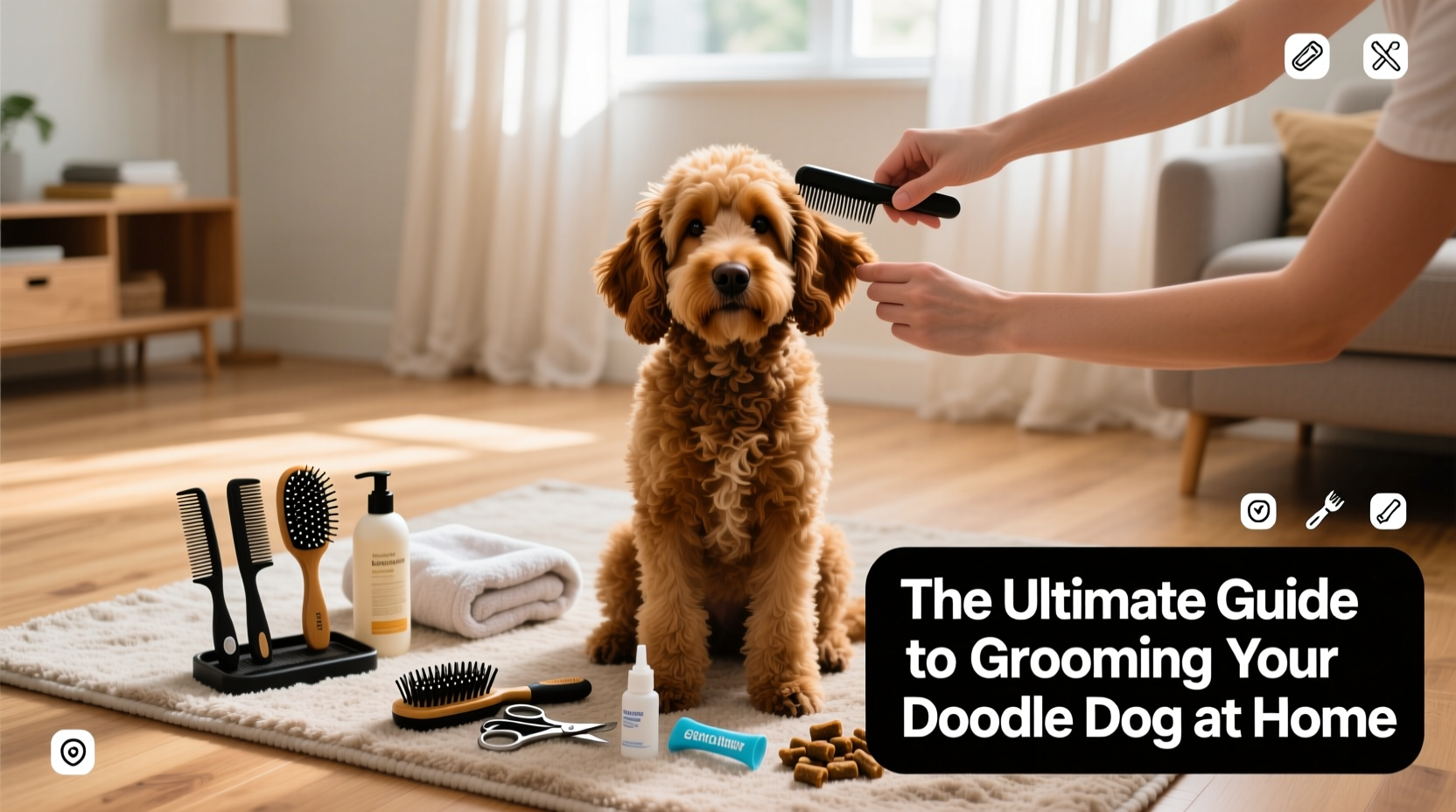
Doodles inherit their dense, non-shedding coat from the Poodle side, which continuously grows like human hair. Without regular maintenance, this coat quickly tangles, especially around high-friction areas like behind the ears, under the legs, and along the belly. Mats pull on the skin, cause pain, and trap moisture, leading to hot spots and infections.
Grooming at home doesn’t mean skipping professional sessions entirely—it means establishing a routine that keeps your dog comfortable between visits. Regular brushing, ear cleaning, and nail trims prevent emergencies and make full grooming sessions less daunting. Plus, handling your dog frequently builds trust, making future care easier.
Tip: Start grooming rituals early—even with puppies—to build positive associations with touch and tools.Essential Tools for Doodle Grooming
Using the right tools makes all the difference in effectiveness and comfort. Here’s what every doodle owner should have:
- Slicker brush: Removes tangles and loose undercoat. Look for one with fine, bent wires and an ergonomic handle.
- Comb (wide and fine-tooth): Checks for residual mats after brushing and ensures thorough detangling.
- Detangling spray: A leave-in conditioner that loosens knots and adds slip to the coat.
- Bladeless mat splitter: Safely cuts through thick mats without cutting skin.
- Electric clippers: For body trims, sanitary cuts, and paw pads. Use quiet, adjustable models designed for pets.
- Scissors (straight and curved): For shaping around face, paws, and tail.
- Nail clippers or grinder: Keeps nails short and prevents joint strain.
- Earmatic solution and cotton balls: Cleans ears gently and helps prevent infections.
- Dog-safe shampoo and conditioner: Moisturizing formulas are ideal for maintaining soft, manageable coats.
“Doodles aren’t naturally low-maintenance just because they don’t shed. Their coat demands weekly attention—preferably more than once a week.” — Dr. Lisa Chen, Veterinary Dermatologist
Step-by-Step Guide to a Full Home Grooming Session
A complete grooming session should take 60–90 minutes if done thoroughly. Break it into stages to keep your dog calm and cooperative.
- Pre-Brush Thoroughly
Begin with a slicker brush, working in small sections from head to tail. Focus on pressure points: armpits, behind ears, groin, and under the collar. Use a detangling spray on stubborn areas. Follow up with a comb to ensure no hidden mats remain. - Clean Ears and Trim Nails
Apply a few drops of ear cleaner, massage the base, then wipe with a cotton ball. Never insert anything deep into the canal. Then, clip nails one at a time, avoiding the quick. If using a grinder, introduce the vibration gradually. - Bathe with Care
Lather your doodle with pH-balanced shampoo, massaging down to the skin. Rinse completely—leftover soap causes itchiness. Apply conditioner, let sit for 3–5 minutes, then rinse again. Towel-dry thoroughly; consider a microfiber towel to reduce friction. - Blow-Dry on Low Heat
Use a force dryer or low-heat pet dryer to fluff the coat while brushing. This step is critical—drying without brushing invites new tangles. Dry until the coat is 100% free of dampness, especially near the skin. - Final Trim and Touch-Ups
Use clippers with a guard (usually #4 or #5) for a uniform body cut. Trim around eyes, paws, and sanitary areas with scissors. Keep facial hair shorter to prevent eye irritation and food trapping.
Common Mistakes to Avoid
Even well-meaning owners make errors that compromise their doodle’s comfort and coat health. Avoid these pitfalls:
| Mistake | Why It’s Harmful | What to Do Instead |
|---|---|---|
| Skipping brushing before bathing | Wet mats tighten and become impossible to remove | Always pre-brush until coat is fully detangled |
| Using human shampoo | Disrupts skin pH, causing dryness and irritation | Use only dog-formulated products |
| Infrequent grooming | Leads to painful mats and skin issues | Brush 2–3 times per week, full groom every 6–8 weeks |
| Rushing the process | Stresses the dog and increases injury risk | Break grooming into short, positive sessions |
Real-Life Example: From Matted Mess to Show-Ready
When Sarah adopted Max, a 2-year-old Goldendoodle, he came with severe matting along his flanks and underarms. His previous owner had brushed him only once a month. After consulting her vet, Sarah committed to a six-week recovery plan. She began daily 15-minute brushing sessions with detangler, paired with treats and praise. She avoided cutting out large mats herself and instead used a bladeless splitter under guidance. By week four, Max welcomed the brush. At week six, he was ready for his first full home bath and trim. Today, Max is brushed three times a week and enjoys grooming as bonding time.
Monthly Grooming Checklist
Stay on track with this simple checklist to maintain your doodle’s health and appearance:
- ☑ Brush coat 2–3 times per week
- ☑ Clean ears weekly
- ☑ Trim nails every 3–4 weeks
- ☑ Bathe every 4–6 weeks
- ☑ Check for skin irritations, lumps, or parasites during brushing
- ☑ Inspect paws for debris, cracked pads, or overgrown hair
- ☑ Schedule professional groom or full trim every 6–8 weeks
Frequently Asked Questions
How often should I brush my doodle?
At minimum, brush your doodle 2–3 times per week. Daily brushing is ideal for dogs with curlier coats or those prone to matting. Consistent brushing prevents tangles from forming and distributes natural oils for a healthier coat.
Can I use human detanglers or conditioners?
No. Human products are formulated for a different skin pH and can cause dryness, itching, or allergic reactions. Always use grooming products specifically made for dogs, preferably those designed for curly or thick coats.
My doodle hates the dryer—what can I do?
Introduce the dryer slowly. Start with the cool setting at low speed, held several feet away. Pair each use with treats and praise. Over time, increase proximity and warmth. Some owners find success using a high-velocity dryer first, followed by a quieter household dryer on cool.
Conclusion: Make Grooming a Ritual of Care
Grooming your doodle isn’t just about appearance—it’s a vital part of their physical and emotional well-being. With the right tools, techniques, and consistency, you can keep your dog comfortable, healthy, and looking their best—all from the comfort of home. Each session is an opportunity to check for health concerns, reinforce training, and deepen your connection. Don’t wait for mats or odors to prompt action. Begin today, stay patient, and turn grooming into a trusted ritual your doodle learns to love.
💬 Have a grooming tip or story to share? Join the conversation—your experience could help another doodle parent avoid a common mistake!








