
Every cat owner knows the familiar sight of tumbleweeds of fur rolling across the floor or clinging to dark clothing. While shedding is a natural process, excessive loose hair can become a household challenge—both for cleanliness and your cat’s comfort. Regular grooming isn’t just about aesthetics; it supports skin health, reduces hairballs, and strengthens the bond between you and your pet. With the right tools, timing, and technique, managing your cat’s shedding can be simple, stress-free, and even enjoyable.
Understanding Cat Shedding: Causes and Cycles
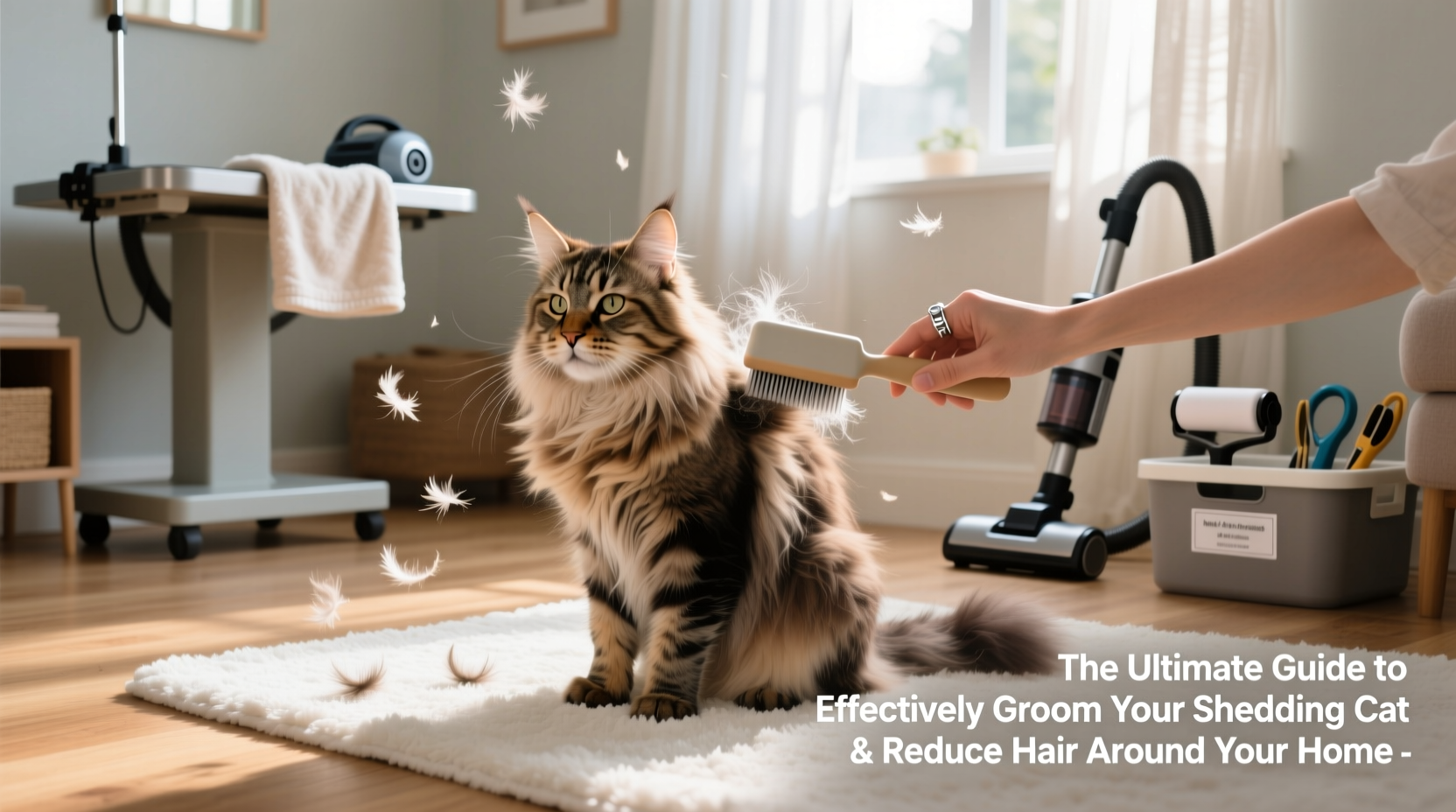
Cats shed year-round, but most experience heavier shedding during seasonal transitions—particularly in spring and fall. This is tied to changes in daylight and temperature, which influence hormone levels that regulate coat growth. Indoor cats, exposed to artificial lighting and climate control, may shed more consistently throughout the year.
Beyond seasonality, several factors affect shedding intensity:
- Breed: Long-haired breeds like Maine Coons, Persians, and Ragdolls naturally shed more than short-haired ones such as Siamese or Bengals.
- Diet: Poor nutrition can lead to dry skin and brittle fur, increasing shedding.
- Health: Excessive shedding may signal underlying issues like allergies, parasites, or hormonal imbalances.
- Stress: Environmental changes or anxiety can trigger over-grooming or patchy shedding.
Recognizing what's normal versus concerning helps determine when grooming alone suffices and when veterinary consultation is needed.
Tip: Monitor your cat’s shedding patterns monthly. Sudden increases or bald spots warrant a vet visit.Essential Grooming Tools and How to Use Them
Not all brushes are created equal. Using the wrong tool can irritate your cat’s skin or pull out healthy fur inefficiently. The key is matching the tool to your cat’s coat type and shedding level.
| Tool | Best For | How to Use |
|---|---|---|
| Slicker Brush | Long- and medium-haired cats, removing tangles | Use gentle, short strokes in the direction of hair growth. Avoid pressing too hard. |
| Undercoat Rake | Dense undercoats (e.g., Norwegian Forest Cats) | Work in sections, especially during peak shedding seasons. Removes dead undercoat without cutting topcoat. |
| Grooming Glove | Short-haired cats or sensitive pets | Wear like a glove and stroke gently. Mimics petting while collecting loose hair. |
| De-shedding Tool (e.g., Furminator-style) | Heavy shedders, all coat lengths | Use once weekly to avoid over-thinning. Always follow label instructions to prevent skin irritation. |
| Comb (Metal Wide-tooth or Flea Comb) | Finishing touch, checking for debris or fleas | Run through fur after brushing to remove remaining loose hairs and detect skin issues. |
Begin with softer tools if your cat resists grooming. Pair sessions with treats and praise to build positive associations.
Step-by-Step Grooming Routine for Maximum Hair Control
Consistency beats intensity. A short, regular grooming session is more effective—and less stressful—than infrequent deep sessions.
- Choose the Right Time: Pick a calm moment when your cat is relaxed, such as after a nap or meal.
- Start with a Dry Coat: Never brush wet fur unless specifically recommended for detangling products.
- Begin at the Head: Most cats enjoy head scratches. Use a soft brush or glove to start gently.
- Move Backward in Sections: Work from shoulders to tail, then legs and sides. Pay attention to areas prone to matting—armpits, belly, behind ears.
- Incorporate the De-shedding Tool: Once or twice weekly, use a de-shedding blade with light pressure. Do not press into the skin.
- Finish with a Comb: Ensure no tangles remain and check for fleas or skin flakes.
- Wipe with a Damp Cloth (Optional): For short-haired cats, a microfiber cloth lightly dampened with water or pet-safe wipe removes residual loose hair.
- Reward Immediately: Offer a treat or playtime to reinforce cooperation.
Aim for 5–10 minutes daily or every other day, depending on coat length and shedding level.
“Regular brushing doesn’t just reduce household hair—it prevents life-threatening hairball obstructions and allows early detection of skin tumors or parasites.” — Dr. Lena Reyes, Feline Veterinarian & Behavior Consultant
Real-Life Success: Reducing Fur in a Multi-Cat Home
The Thompson family adopted two long-haired rescue cats, Miso and Nori, both heavy shedders. Within weeks, their black furniture was constantly coated in fur, and vacuuming became a daily chore. After consulting a groomer, they implemented a structured routine: daily 7-minute sessions using slicker brushes and undercoat rakes, followed by bi-weekly wipe-downs with grooming wipes.
They also introduced a high-omega fatty acid supplement recommended by their vet. Within six weeks, visible loose hair dropped by an estimated 70%. Their vacuum runs three times a week instead of daily, and both cats show fewer hairballs. “It’s not about eliminating shedding,” says Sarah Thompson, “but managing it so we all live comfortably.”
Tip: Keep grooming tools in multiple rooms to take advantage of spontaneous calm moments with your cat.Comprehensive Hair Reduction Checklist
Managing cat hair requires more than brushing. Use this checklist to create a holistic approach:
- ✅ Brush your cat 3–7 times per week based on coat type
- ✅ Use a de-shedding tool weekly during peak shedding seasons
- ✅ Feed a high-quality diet rich in omega-3 and omega-6 fatty acids
- ✅ Provide fresh water at all times to support skin hydration
- ✅ Vacuum upholstery and floors 2–3 times per week with a HEPA filter
- ✅ Wash bedding in hot water weekly
- ✅ Use lint rollers or electrostatic cloths on clothing and furniture
- ✅ Consider an air purifier to capture airborne dander
- ✅ Schedule biannual vet checkups to rule out medical causes of excessive shedding
Frequently Asked Questions
How often should I bathe my cat to reduce shedding?
Most cats don’t need bathing more than 3–4 times a year. Over-bathing strips natural oils and can increase shedding. If necessary, use a moisturizing, cat-specific shampoo and brush thoroughly beforehand.
Can I use human de-shedding tools on my cat?
No. Human tools are designed for different hair textures and can damage your cat’s skin or pull fur too aggressively. Always use species- and coat-specific grooming instruments.
My cat hates being brushed. What can I do?
Start slowly. Use a soft glove or let your cat sniff the brush first. Stroke gently for 30 seconds, then reward. Gradually increase duration. If resistance persists, consult a vet or professional groomer for desensitization strategies.
Final Thoughts: Turn Shedding Management Into Daily Care
Reducing cat hair in your home isn’t about perfection—it’s about consistency. Effective grooming blends routine care, proper tools, and attention to your cat’s individual needs. When done with patience and kindness, it becomes a nurturing ritual rather than a chore. You’ll not only reclaim your furniture from fur drifts but also support your cat’s physical well-being and emotional comfort.
💬 Ready to take control of cat hair? Start tonight with a 5-minute brushing session. Share your progress, tips, or challenges in the comments—your experience could help another cat owner breathe easier.








