
Dog owners know the satisfaction of running a brush through a soft, tangle-free coat. But when mats form—especially in long-haired or double-coated breeds—grooming can quickly become stressful for both pet and owner. Mats aren’t just unsightly; they pull on the skin, trap moisture, and can lead to infections if left unattended. While professional groomers are a reliable option, learning how to safely demat your dog at home saves time, reduces anxiety for your pet, and strengthens your bond. With the right tools, technique, and patience, you can maintain your dog’s coat between visits and respond promptly to early tangles before they worsen.
Understanding Why Mats Form and Where They’re Likely to Appear
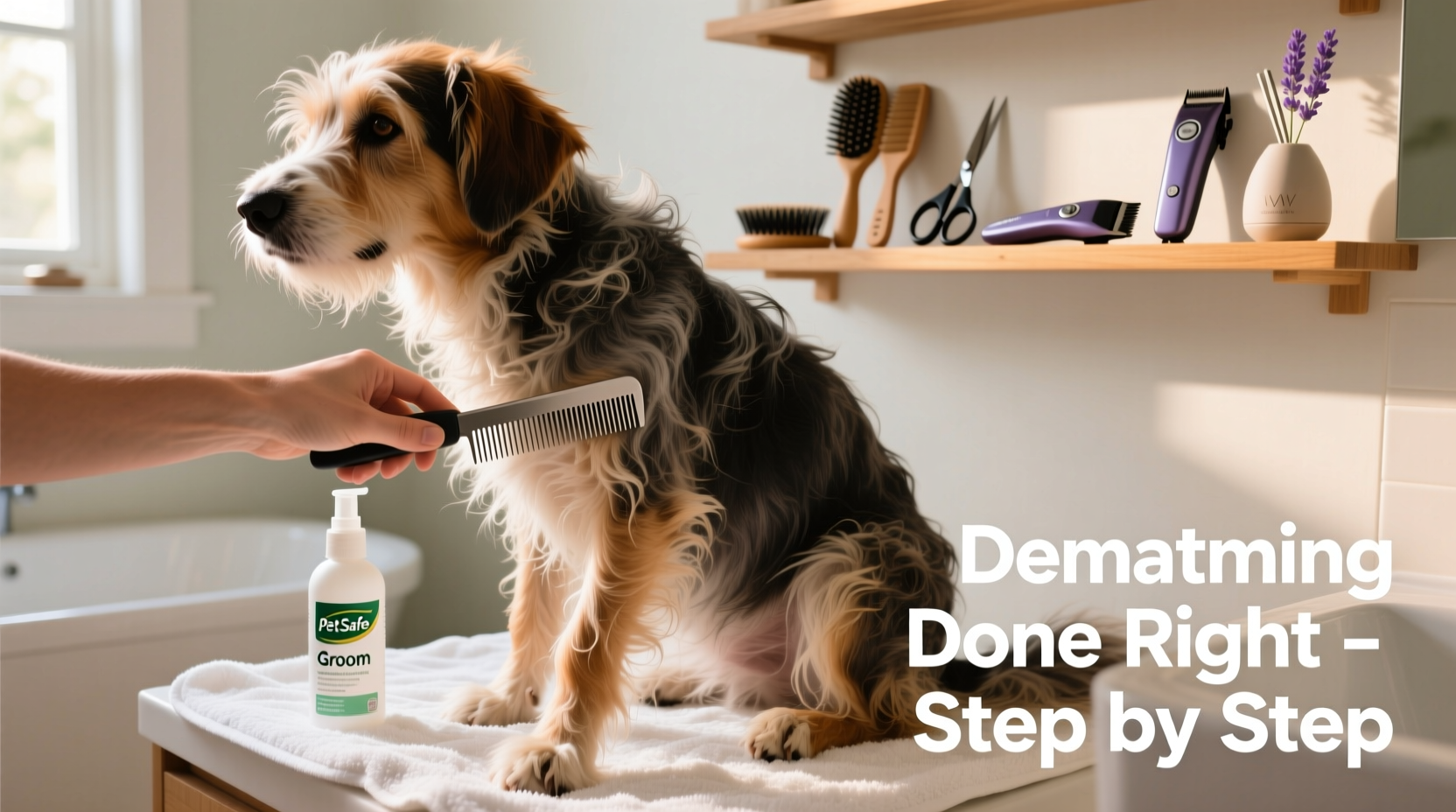
Mats occur when loose undercoat hair becomes entangled with topcoat fur, often exacerbated by moisture, friction, and lack of brushing. Areas where dogs experience frequent rubbing—such as behind the ears, under the legs, around the collar, and along the belly—are especially prone. Breeds like Shih Tzus, Poodles, Golden Retrievers, and Newfoundlands require consistent maintenance due to their dense or curly coats.
Left untreated, small tangles evolve into tight, compacted mats that press against the skin. These not only cause discomfort but also create a breeding ground for bacteria and pests. Early detection is key. A quick daily check during petting sessions helps catch problem areas before they escalate.
Tip: Run your fingers through your dog’s coat after walks, especially in wet or muddy conditions, to detect hidden tangles.Essential Tools for Safe and Effective Dematting
Using the correct tools makes all the difference. Improper equipment—like dull scissors or harsh brushes—can injure your dog or worsen the matting. Invest in a basic grooming kit tailored to your dog’s coat type:
- Slicker brush – Ideal for breaking up surface tangles and removing loose undercoat.
- Dematting comb or rake – Features longer, serrated teeth designed to cut through matted layers without pulling.
- Blunt-tipped scissors – For carefully cutting severe mats near the skin (never use sharp or pointed scissors).
- Detangling spray or conditioner – Lubricates the hair, reducing breakage and making separation easier.
- Grooming clippers (optional) – Useful for shaving out large, stubborn mats when brushing fails.
Avoid using human detanglers or household oils—they may irritate your dog’s skin or attract dirt.
Step-by-Step Guide to Dematting Your Dog Safely
Patience and gentleness are critical. Rushing increases the risk of injury and can make your dog fearful of future grooming. Follow this sequence for best results:
- Brush lightly first – Use a slicker brush to remove loose debris and identify the extent of matting.
- Apply detangler – Spray a pet-safe product directly onto the mat and wait 2–3 minutes for it to penetrate.
- Work from the bottom up – Place your fingers beneath the mat to protect the skin. Use the dematting comb to gently tease apart the knot starting from the ends.
- Cut only when necessary – If the mat won’t loosen, slide blunt scissors horizontally across the underside of the mat (never point toward the skin). Cut in small sections.
- Finish with a thorough brush – Once the mat is gone, brush the entire area to ensure no hidden tangles remain.
- Reward and calm – Offer treats and praise throughout to keep your dog relaxed.
If your dog shows signs of pain—whining, flinching, or trying to move away—stop immediately. Severe or skin-tight mats should be handled by a professional groomer or veterinarian.
“Attempting to cut out a deep mat too close to the skin risks lacerations and infection. When in doubt, seek help.” — Dr. Lena Torres, DVM, Canine Dermatology Specialist
Do’s and Don’ts of At-Home Dematting
| Do’s | Don’ts |
|---|---|
| Use a detangling spray to soften knots | Wet a severely matted coat—this tightens the mat further |
| Support the skin with your fingers when working on mats | Pull or yank on a mat—this causes pain and hair breakage |
| Cut mats horizontally with blunt scissors | Use sharp or pointed scissors near the skin |
| Work in quiet, distraction-free environment | Groom when your dog is already stressed or tired |
| Trim or shave persistent mats instead of forcing them | Shave against the grain with clippers—this increases irritation |
Real Example: Managing Matting in a Senior Golden Retriever
Maria, a dog owner in Vermont, noticed her 10-year-old Golden Retriever, Daisy, was developing thick mats along her hind legs and underbelly. Due to arthritis, Daisy resisted lying down for grooming, making professional visits difficult. Maria started a weekly routine: she began with short 5-minute brushing sessions, used a leave-in detangler, and rewarded Daisy with soft treats. For a particularly tight mat near her leg, Maria applied coconut-based detangler, gently combed from the base outward, and eventually trimmed it with safety scissors under guidance from her vet’s video tutorial. Over three weeks, Daisy’s coat improved significantly, and the bonding time reduced her anxiety. “It’s slower than I expected,” Maria says, “but Daisy now leans into the brush instead of pulling away.”
Prevention Checklist: Keep Mats from Coming Back
Once your dog’s coat is tangle-free, maintain it with consistent care. Use this checklist to stay ahead of matting:
- ✅ Brush your dog at least 2–3 times per week (daily for long-haired breeds)
- ✅ Bathe and dry thoroughly after swimming or heavy rain
- ✅ Trim excess hair around paws, ears, and rear regularly
- ✅ Check high-friction zones weekly (armpits, neck, behind legs)
- ✅ Use a conditioning rinse after baths to prevent post-wash tangles
- ✅ Schedule professional grooming every 6–8 weeks for breed-specific trims
Frequently Asked Questions
Can I use human conditioner on my dog to reduce matting?
No. Human conditioners have pH levels unsuitable for canine skin and may cause dryness or irritation. Always use products specifically formulated for dogs.
How do I know if a mat is too severe to handle at home?
If the mat is larger than a golf ball, pressed tightly against the skin, or located near sensitive areas like the genitals or face, it’s safest to consult a professional. Painful or bleeding skin underneath requires veterinary attention.
Is shaving better than dematting?
In cases of widespread or deeply rooted matting, shaving is often the kindest option. It removes discomfort quickly and gives the coat a fresh start. However, never shave double-coated breeds (like Huskies or Malamutes) as it disrupts natural insulation and growth patterns.
Conclusion: Make Grooming a Positive Experience
Dematting doesn’t have to be a dreaded chore. With the right approach, it becomes an act of care that enhances your dog’s comfort and health. Start early, stay consistent, and always prioritize safety over speed. By mastering these techniques, you empower yourself to respond confidently to tangles before they escalate. Remember, a well-maintained coat reflects overall wellness—and your dedication shows in your dog’s wagging tail and bright eyes.
💬 Have a dematting success story or tip? Share your experience below and help fellow pet owners keep their dogs happy, healthy, and tangle-free!








