Every cat owner knows the joy of watching their feline pounce, bat, and cuddle with a favorite toy. But store-bought options often fall short—either too flimsy to survive a week or made with questionable materials. Crafting your own stuffed cat toys isn’t just a creative outlet; it’s a way to ensure safety, durability, and endless entertainment tailored to your cat’s personality. With the right materials, stitching techniques, and design choices, you can create toys that withstand claws, teeth, and enthusiastic play while still being irresistibly cute.
Why Homemade Cat Toys Outperform Store-Bought Options
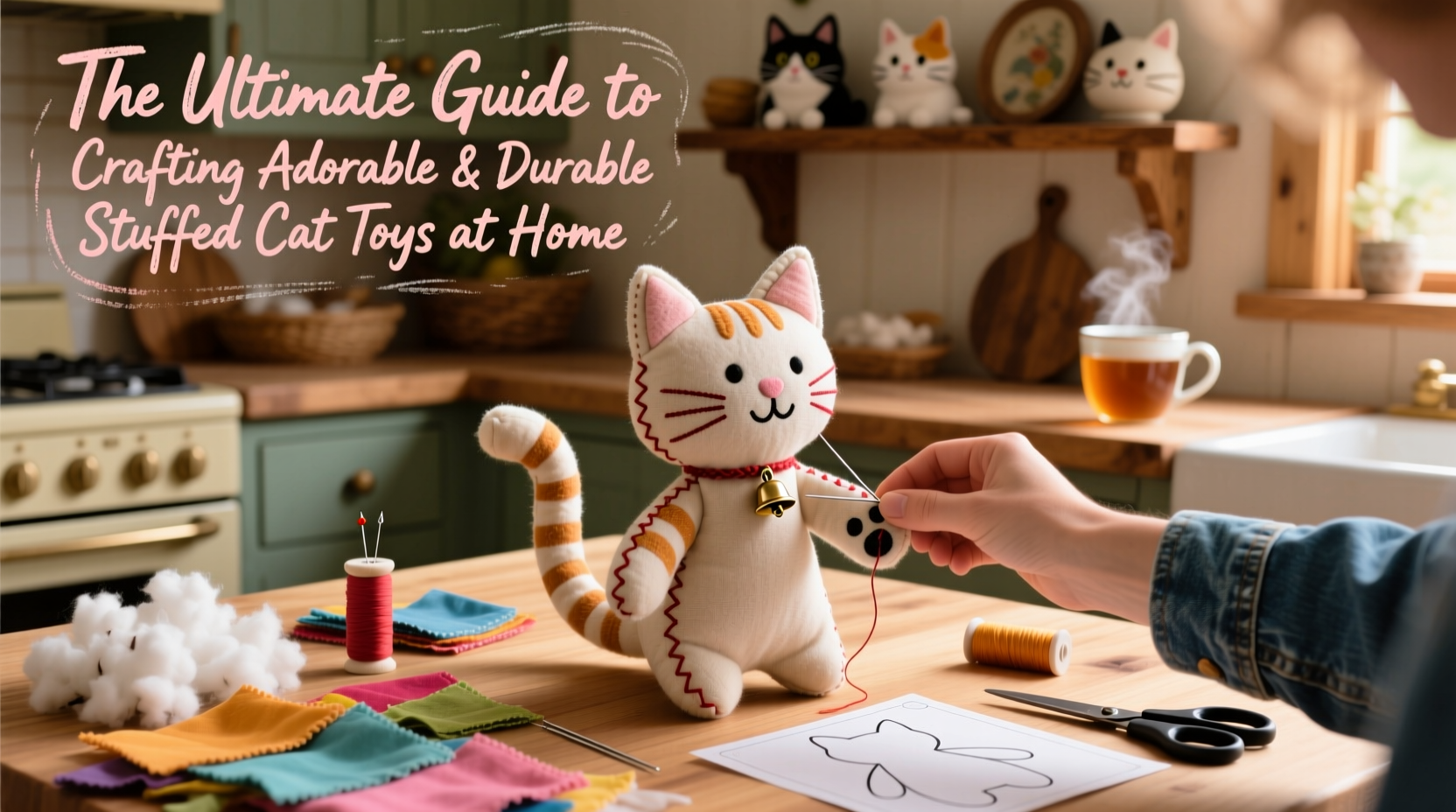
Commercial cat toys may look appealing on shelves, but many are constructed with thin fabrics, weak seams, and synthetic fillings that degrade quickly. In contrast, handmade toys allow full control over quality. You choose non-toxic fabrics, reinforce stress points, and avoid small parts that could become choking hazards. Plus, customizing shapes and scents—like adding dried catnip or silvervine—can dramatically increase your cat’s interest.
“Cats respond best to toys that mimic natural prey in size, texture, and movement. Handmade toys let owners fine-tune these elements.” — Dr. Lena Reyes, Feline Behavior Specialist
Beyond performance, homemade toys are cost-effective. A single spool of thread and a remnant fabric bundle can yield dozens of toys, especially when repurposing old clothing or linens. This makes DIY not only safer but also sustainable.
Tip: Use tightly woven cotton or denim for outer layers—these resist fraying and claw snags better than knits or fleece.Essential Materials and Tools for Long-Lasting Toys
Durability starts with smart material selection. Not all fabrics are equal when facing sharp claws and persistent chewing. Prioritize strength without sacrificing softness, especially for toys meant for cuddling.
| Material | Best For | Avoid If... |
|---|---|---|
| Cotton Duck Cloth | Tug toys, mice bodies | Your cat prefers ultra-soft textures |
| Felt (Wool or High-Quality Synthetic) | No-sew shapes, sensory toys | You need washable items frequently |
| Denim Scraps | Durable exteriors, chew-resistant bases | The fabric has metal rivets or zippers |
| Polyester Fiberfill (Non-Lumpy) | Stuffing for softness | Your cat tends to rip open toys immediately |
| Organic Cotton Rope | Tails, tassels, tug loops | Rope frays easily under tension |
In addition to fabric, gather basic tools: sharp fabric scissors, strong polyester thread, hand-sewing needles or a sewing machine, pins or clips, and optionally, a fabric marker for tracing shapes. For added appeal, keep dried catnip, valerian root, or silvervine on hand to insert into toy cores.
Step-by-Step: Building a Durable Stuffed Mouse Toy
One of the most beloved designs is the classic stuffed mouse. When built correctly, it can endure months of batting, biting, and tossing. Follow this timeline to create a long-lasting version.
- Design & Cut (10 minutes): Sketch a simple mouse shape—oval body, pointed snout, two ears—on cardboard to make a template. Trace onto fabric (preferably cotton or denim) and cut two identical pieces.
- Reinforce Ears (5 minutes): Cut small circles of felt for inner ears. Pin or glue them onto one fabric piece before sewing.
- Sew Exterior (15 minutes): Place fabric pieces together, right sides facing. Use a backstitch or zigzag machine stitch along edges, leaving a 2-inch gap for turning. Reinforce tail and head areas with double stitching.
- Turn & Shape (5 minutes): Flip the toy right-side out using a chopstick or turning tool. Smooth curves gently.
- Stuff Thoughtfully (10 minutes): Fill with firm but pliable fiberfill. Insert a small muslin pouch containing 1 tsp of dried catnip near the head for extra attraction.
- Close Seam (5 minutes): Whip-stitch the opening closed tightly. Knot securely and bury the thread end within stuffing.
- Add Tail (Optional, 5 minutes): Attach a 3-inch length of braided cotton rope using a reinforced loop stitch.
Design Variations That Cats Love
Variety keeps cats engaged. Rotate different shapes and textures every few weeks to maintain novelty. Consider these popular designs:
- The Crinkle Ball: Layer two circles of fabric around a crinkly plastic sheet (reused from packaging). Sew around the edge and stuff lightly. The sound mimics scurrying prey.
- The Sock Snake: Repurpose an old cotton sock, fill with rice and catnip, then tie knots at intervals. Great for solo batting.
- The Feather Wand Hybrid: Sew a small plush base with a looped handle and attach a feathered string (secured with triple knots) for interactive play.
- The Puzzle Mitten: Stitch up an old leather glove finger, add bells inside, and sew shut. The unpredictable jingle drives cats wild.
When designing, consider your cat’s hunting style. Shy stalkers enjoy smaller, hidden toys, while bold leapers prefer larger, mobile ones. Observing play patterns helps refine future creations.
Common Mistakes and How to Avoid Them
Even well-intentioned projects fail if key pitfalls aren’t addressed. These errors compromise safety and longevity:
- Using loose beads or buttons: Small attachments can detach and pose choking risks. If used, sew them through multiple backing layers and test pull strength.
- Overstuffing: Excess filling creates rigid toys that don’t wiggle naturally. Aim for firm but flexible—your toy should bend slightly when held.
- Skipping seam reinforcement: Stress points like tails and ears require backstitching or bar tacks. One weak spot can unravel the entire toy.
- Choosing decorative over functional fabrics: Sequins, ribbons, or loosely woven knits may look cute but fray fast and shed hazardous fibers.
“Durability isn’t about thickness—it’s about construction. A well-sewn thin fabric lasts longer than a poorly stitched heavy one.” — Miguel Torres, Pet Product Designer
Mini Case Study: From Chewed-Up to Champion Toy
Sophie, a Bengal cat owner in Portland, struggled with her cat Leo destroying every toy within hours. Store-bought plush mice lasted less than a day. She began making her own using denim scraps from old jeans, doubling the stitch density and replacing standard stuffing with a blend of fiberfill and rice for weight. She added a catnip-infused core wrapped in muslin for replaceable scent. The first toy survived three weeks of daily play—and Leo still returns to it during naptime for sniffing comfort. Sophie now rotates five handmade toys, each lasting four to six weeks, compared to the previous average of one day.
FAQ: Your Top Questions Answered
Can I wash homemade cat toys?
Yes, but with caution. Machine washing can weaken seams over time. For light cleaning, wipe with a damp cloth and mild soap. For deeper cleaning, hand-wash in cool water and air-dry completely. Remove catnip inserts first to preserve potency.
What if my cat doesn’t seem interested?
Try embedding cat-safe attractants like silvervine or honeysuckle. Also, vary movement—attach a toy to a string wand briefly to spark curiosity. Some cats warm up to new toys after a few days of exposure.
Are yarn toys safe?
Only under supervision. Loose yarn can cause intestinal blockages if ingested. Instead of free yarn balls, weave yarn into a fabric base or use tightly bound tassels that won’t unravel.
Final Checklist Before Playtime
Before handing a toy to your cat, run through this safety and quality checklist:
- ✅ All seams are double-stitched at high-stress points
- ✅ No loose threads longer than 1/2 inch
- ✅ Any added parts (tails, bells) are securely attached
- ✅ Filling is non-toxic and evenly distributed
- ✅ Toy has been tested for small detachable pieces
- ✅ Scent packs (if used) are enclosed in breathable, sealed fabric
Making Playtime Meaningful
Crafting stuffed cat toys blends creativity with care. Each stitch reflects attention to your cat’s needs—safety, stimulation, and comfort. These handmade treasures don’t just entertain; they strengthen bonds and promote healthy behavior. Whether you’re mending old clothes into new playthings or designing whimsical shapes from scratch, the result is more than a toy. It’s a gesture of love, built to last.
💬 Start today: Make your first toy this weekend and watch your cat’s eyes light up. Share your designs, challenges, and success stories in the comments—your idea might inspire another loving pet parent!








