
Dog bandanas have evolved from simple fashion accessories into essential tools for pet expression, sun protection, and even cooling during hot weather. While they add flair to your dog’s appearance, an improperly sized bandana can lead to discomfort, chafing, or even breathing restrictions. Choosing the right size isn’t just about aesthetics—it’s a matter of your pet’s well-being. With countless styles, fabrics, and fastening methods available, understanding how to select the ideal fit ensures your dog stays both stylish and comfortable.
Why Size Matters in Dog Bandanas
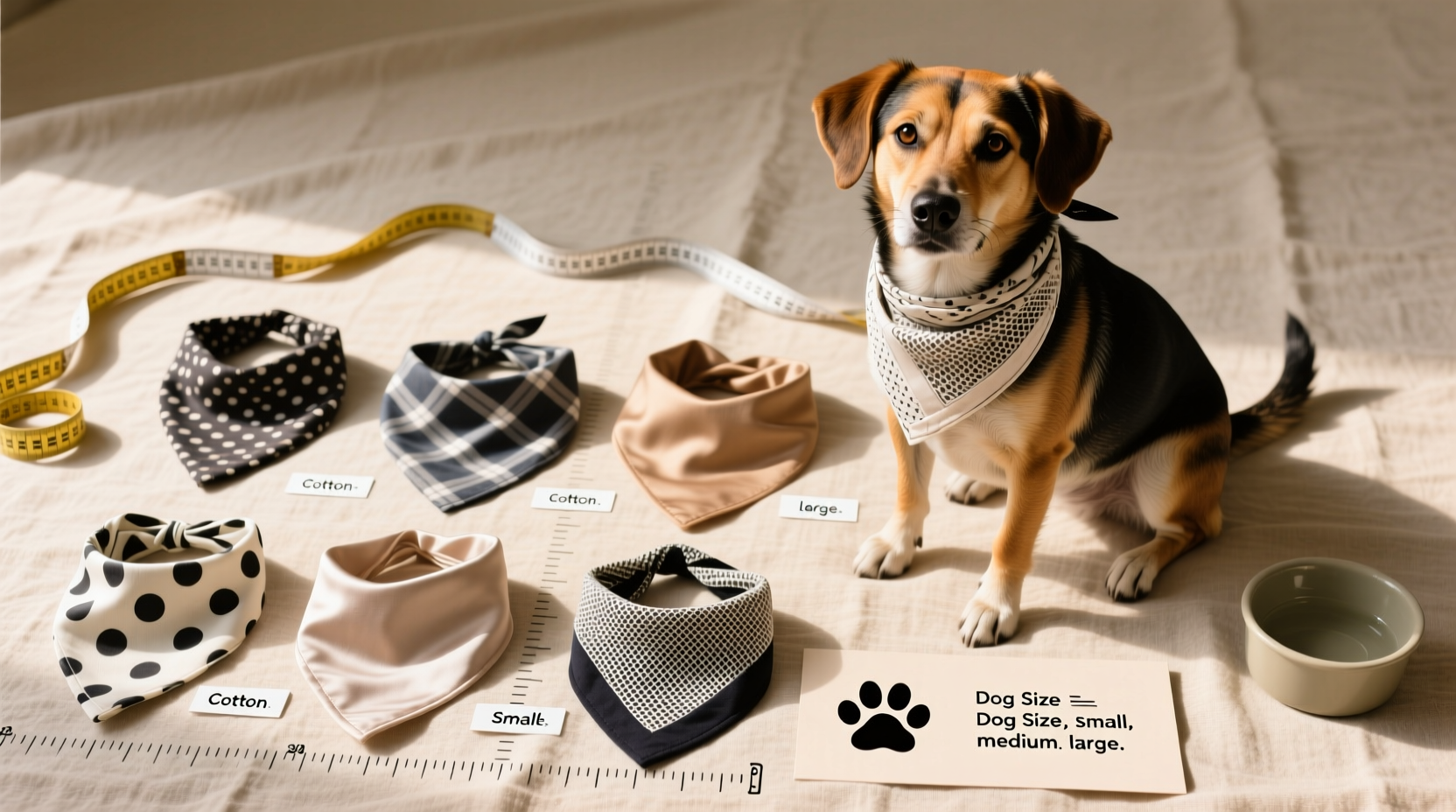
A bandana that's too tight can restrict movement, press against the trachea, or cause skin irritation. One that’s too loose may slip into your dog’s eyes, fall off frequently, or pose a choking hazard if it unravels. The goal is a snug but adjustable fit—secure enough to stay in place during play, yet loose enough to allow two fingers to slide comfortably between the fabric and your dog’s neck.
Different breeds require different sizing approaches. A Chihuahua’s neck circumference averages 8–10 inches, while a Great Dane might measure 20–26 inches. Assuming one size fits all leads to poor results. Even dogs within the same breed can vary significantly based on age, build, and muscle mass.
Tip: Always re-measure your dog before buying new bandanas—even if you’ve purchased the same size before. Weight changes or growth can affect fit.How to Measure Your Dog for the Perfect Fit
Accurate measurement is the foundation of proper bandana sizing. Follow these steps to ensure precision:
- Gather a soft measuring tape—not a rigid ruler. Cloth or flexible plastic tapes work best.
- Measure around the base of the neck, where the collar normally sits. This is typically just above the shoulders.
- Ensure the tape is snug but not tight. You should be able to slide two fingers beneath it easily.
- Note the measurement in inches and compare it with the brand’s size chart.
- Check behind the ears and under the chin if using triangular bandanas tied at the top—these need extra length to tie securely without pulling.
For triangular bandanas, the side length (from point to point) determines how much fabric drapes down the chest. A larger dog needs at least a 20-inch side to achieve full coverage; smaller dogs look best with 12- to 15-inch sides.
Step-by-Step Sizing Guide
- Stand your dog upright in a calm environment.
- Wrap the tape around the neck at collar level.
- Record the number where the tape meets the starting point.
- Cross-reference with the manufacturer’s size guide.
- If between sizes, size up—especially for thick fabrics or dogs with broad chests.
Bandana Styles and Their Sizing Implications
Not all bandanas are created equal. The cut and fastening method impact how size translates to real-world fit.
- Triangular Tie-Ons: Most common. Require tying at the back or top of the neck. Ideal for adjustable fit but demand sufficient fabric length.
- Scarf-Style (Rectangular): Draped and tied like a human scarf. Need longer lengths (at least 30–40 inches) for medium to large dogs.
- Collar-Attached Bandanas: Slide onto an existing collar. Sized by collar width and neck girth. Best for dogs who chew or paw at loose fabric.
- Snaps or Velcro Closures: Pre-sized with adjustable tabs. Offer convenience but less flexibility in fit.
Fabric thickness also plays a role. A cotton bandana at 14 inches may fit perfectly, while a neoprene-cooled version of the same labeled size might feel tighter due to stiffness.
“Fit is the first priority—before pattern or color. A dog should forget they’re wearing a bandana because it feels natural.” — Dr. Lena Torres, Veterinary Behaviorist
Sizing Chart: Matching Neck Measurement to Bandana Type
| Dog Size Category | Neck Circumference (inches) | Triangular Side Length | Recommended Fabric Width | Ideal Closure Type |
|---|---|---|---|---|
| Extra Small (e.g., Yorkie, Pomeranian) | 8–10 | 12–14\" | 6–7\" | Tie-on or snap-on |
| Small (e.g., Beagle, Cocker Spaniel) | 10–14 | 15–18\" | 8–10\" | Tie-on or collar-attach |
| Medium (e.g., Bulldog, Border Collie) | 14–18 | 18–22\" | 10–12\" | Tie-on or Velcro |
| Large (e.g., Labrador, German Shepherd) | 18–22 | 22–26\" | 12–14\" | Versatile tie or collar-attach |
| Extra Large (e.g., Mastiff, Saint Bernard) | 22–28+ | 26–30+\" | 14–16+\" | Heavy-duty tie or custom fit |
Material Considerations That Affect Fit and Comfort
The fabric impacts both comfort and how the bandana holds its shape. Lightweight cotton breathes well and drapes naturally, making it forgiving in fit. Polyester blends resist fading and shrinking but may feel stiffer. Cooling bandanas often contain gel-infused layers that expand slightly when wet—account for this by allowing extra room.
Thicker materials require more precise sizing. A fleece-lined bandana may add half an inch of bulk around the neck compared to a single-layer cotton version. Always consider the season: summer calls for airy linens and mesh; winter may justify layered designs, provided they don’t constrict.
Tip: Wash new bandanas before use. Some natural fibers shrink after the first wash, altering the fit.Real-Life Example: Choosing for a French Bulldog
Maria adopted Bruno, a stocky French Bulldog with a wide neck despite his small frame. His neck measured 13.5 inches—technically in the “small” range—but his broad shoulders and short muzzle made standard small bandanas ride up uncomfortably. After several ill-fitting ties slipped over his ears, she switched to a medium-sized triangular bandana with a 17-inch side length. The extra fabric allowed a looser knot behind his head without dangling too low. She now prioritizes wider cuts and pre-washes every new piece to avoid post-laundry surprises.
Bruno’s case highlights that breed standards don’t always reflect individual anatomy. Customization and observation are key.
Checklist: How to Choose the Right Dog Bandana Size
- ✅ Measure your dog’s neck accurately with a soft tape.
- ✅ Identify the bandana style (triangular, scarf, snap-on).
- ✅ Consult the brand’s specific size chart—don’t assume industry-wide standards.
- ✅ Account for fabric thickness and stretch.
- ✅ Allow room for growth in puppies or seasonal weight changes.
- ✅ Test the fit: two fingers should fit under the bandana once tied.
- ✅ Monitor your dog for signs of discomfort or rubbing.
- ✅ Wash and dry a sample to check for shrinkage before committing to multiple purchases.
FAQ: Common Questions About Dog Bandana Sizing
Can I use my dog’s collar size to determine bandana size?
Only as a rough estimate. Collars are often adjusted tighter than a decorative bandana should be. Always measure separately and prioritize comfort over matching numbers.
What if my dog has a thick coat or ruff?
Fluffy breeds like Samoyeds or Chow Chows need extra room. Measure over the fur, not through it, and opt for longer tie lengths to accommodate volume without compression.
How do I know if the bandana is too tight?
If your dog scratches at it immediately, avoids eating or drinking while wearing it, or shows red marks on the neck afterward, the fit is too tight. Adjust or size up.
Final Thoughts: Style Meets Responsibility
Selecting the perfect dog bandana goes beyond coordinating with your pet’s personality or your Instagram theme. It’s an act of care—one that balances visual appeal with physical well-being. When done right, a bandana becomes a seamless part of your dog’s daily wear, enhancing confidence without compromising comfort.
Take the time to measure, test, and observe. Invest in quality materials and thoughtful designs. Whether it’s a patriotic print for July 4th or a cooling wrap for summer hikes, the best bandana is the one your dog doesn’t try to shake off.
💬 Have a sizing success story or a fit fail? Share your experience below—your insights could help another pet parent avoid a wardrobe malfunction!








