For owners of high-energy breeds like Border Collies, Australian Shepherds, or Siberian Huskies, a standard dog collar simply won’t hold up. These dogs pull, dig, jump, swim, and explore with relentless enthusiasm. When your dog lives an adventurous life, their gear must be built to survive it. A poorly constructed collar can fray, break, or irritate the skin—putting your pet at risk during walks, hikes, or training sessions. Choosing the right durable dog collar isn’t just about longevity; it’s about safety, comfort, and performance.
Why Regular Collars Fail Active Dogs
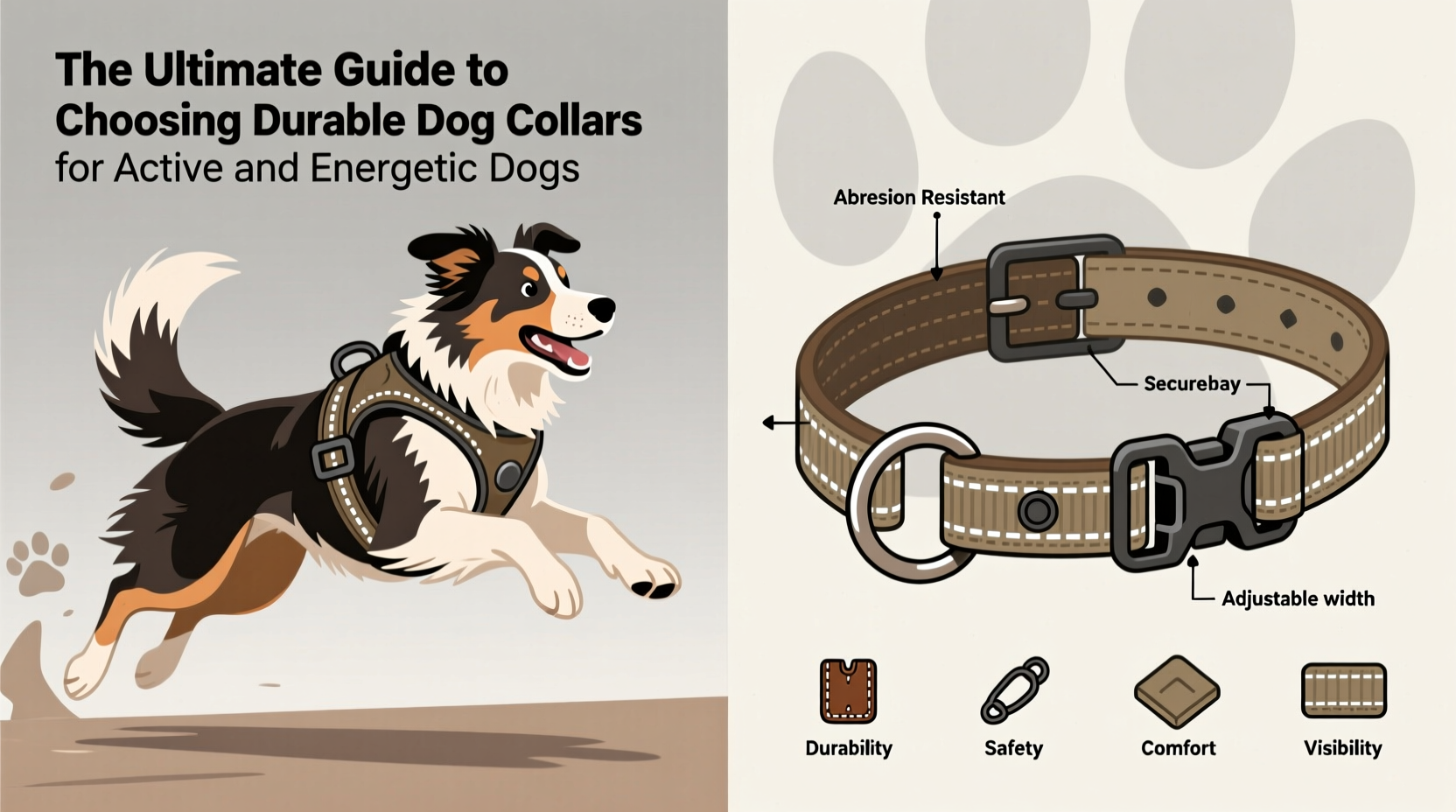
Most off-the-shelf collars are designed for casual use—short walks around the neighborhood or light indoor wear. They’re often made from thin nylon, polyester webbing, or decorative materials that degrade quickly under stress. For active dogs, these collars present several risks:
- Rapid wear and tear: Constant friction from pulling or brushing against terrain weakens stitching and fabric.
- Chafing and irritation: Thin edges dig into the neck during sudden movements, especially in dogs with thick fur or sensitive skin.
- Hardware failure: Plastic buckles or flimsy D-rings snap under pressure, leading to escape risks.
- Poor fit stability: Slippage or twisting reduces control and increases discomfort.
Dogs engaged in agility, hiking, sledding, or herding need collars engineered for durability, secure fit, and resistance to environmental factors like moisture, dirt, and UV exposure.
Tip: Always inspect your dog’s collar weekly for fraying, loose stitching, or worn hardware—especially after intense activity.Key Features of a Durable Dog Collar
When shopping for a collar that can withstand an energetic lifestyle, focus on five core components: material, construction, hardware, fit, and function.
1. Material Matters: Beyond Basic Nylon
The best collars use advanced synthetic fabrics known for strength and resilience:
- Ballistic nylon: Originally used in military gear, this tightly woven fabric resists tearing, abrasion, and water absorption.
- Paracord (550 cord): Extremely strong and lightweight, ideal for rugged outdoor use. Often braided for added thickness and grip.
- Neoprene padding: Used in lined collars to prevent chafing while wicking moisture away from the skin.
- Hemp or bio-based synthetics: Eco-friendly options gaining traction for their tensile strength and biodegradability.
2. Reinforced Stitching and Seams
Double or triple-stitched seams using bonded nylon thread significantly increase durability. Look for bar-tacking—reinforced stitching at stress points like the D-ring and buckle—common in premium collars.
3. Heavy-Duty Hardware
Metal is superior to plastic. Choose collars with:
- Stainless steel or solid brass D-rings (resist rust and bending).
- Side-release buckles made from reinforced polymer or metal (e.g., ITW Nexus, Duraflex).
- Quick-adjust sliders that lock securely without slipping.
4. Proper Fit and Adjustability
A collar should sit snugly but allow two fingers between the collar and the dog’s neck. Too loose, and it becomes a hazard; too tight, and it causes discomfort. Adjustable sliders or multiple sizing holes ensure a precise fit as your dog grows or changes shape.
5. Functional Design Elements
Consider extras that enhance usability:
- Reflective threading for low-light visibility.
- Attachment points for ID tags or GPS trackers.
- Odor-resistant coatings to minimize bacteria buildup.
- Quick-dry materials for dogs that swim frequently.
“Active dogs require gear that matches their intensity. A durable collar isn’t optional—it’s part of responsible ownership.” — Dr. Lena Reyes, Canine Behavior and Safety Specialist
Choosing the Right Type of Collar for Your Dog’s Activity Level
Not all durable collars serve the same purpose. The ideal choice depends on how your dog uses it daily.
| Collar Type | Best For | Pros | Cons |
|---|---|---|---|
| Heavy-Duty Flat Collar | Daily walks, moderate training | Simple, adjustable, wide size range | Limited control for strong pullers |
| Rolltop Paracord Collar | Hiking, swimming, outdoor adventures | Waterproof, lightweight, highly durable | Less padding; may feel stiff initially |
| Neoprene-Padded Tactical Collar | Agility, working dogs, service roles | Comfortable, non-slip, shock-resistant | Heavier; requires drying after wet use |
| Quick-Release Harness-Compatible Collar | Dual-use with harness systems | Secure tag holder, doesn’t interfere with harness | Not primary restraint device |
Step-by-Step Guide to Selecting and Fitting a Durable Collar
- Measure your dog’s neck: Use a soft tape measure behind the ears and around the widest part of the neck. Add 1–2 inches for growth and comfort.
- Assess activity type: Will your dog hike, swim, train, or pull? Match material and design to use case.
- Check weight and strength ratings: Some collars list max pull force or dog weight limits—ensure compatibility.
- Test the hardware: Snap the buckle repeatedly, tug the D-ring. It should feel solid, not flexible or creaky.
- Firm-fit test: Once on, slide two fingers beneath the collar. If more space exists, downsize. If fingers don’t fit, upsize.
- Monitor during first week: Watch for redness, hair loss, or behavioral signs of discomfort. Rotate collars if worn daily.
Real-World Example: Max the Adventure Husky
Max, a 4-year-old Siberian Husky from Colorado, accompanies his owner on 10-mile weekend hikes and participates in sledding events. His previous nylon collar split during a trail run after only three months. After switching to a ballistic nylon tactical collar with stainless steel hardware and neoprene lining, the collar has lasted over 18 months despite weekly mountain excursions, snow exposure, and frequent washing. His owner notes improved comfort and no signs of wear—even where the collar rubs against pine branches or ice.
This case illustrates how matching collar durability to real-world demands prevents failures and enhances safety in extreme conditions.
Essential Checklist Before Buying
- ✅ Measured your dog’s neck accurately
- ✅ Identified primary activities (hiking, swimming, training)
- ✅ Confirmed material is abrasion-resistant (e.g., ballistic nylon, paracord)
- ✅ Verified metal D-rings and heavy-duty buckle
- ✅ Checked for reflective elements or visibility features
- ✅ Ensured proper adjustability for growing or muscular dogs
- ✅ Read verified customer reviews focusing on long-term use
Frequently Asked Questions
Can I use a harness instead of a durable collar?
Yes, harnesses distribute pressure better and reduce neck strain, especially for pullers. However, a durable collar is still essential for holding ID tags and serving as a backup attachment point. Many experts recommend using both—a secure collar under a well-fitted harness.
How often should I replace a durable dog collar?
Even the toughest collars wear out. Inspect monthly and replace every 12–24 months with regular use, or immediately if you notice frayed edges, cracked hardware, or stretched webbing. Harsh environments (saltwater, mud, extreme cold) shorten lifespan.
Are wider collars better for large, strong dogs?
Generally, yes. Wider collars (1 inch or more) spread pressure across a larger area, reducing the risk of tracheal damage and increasing comfort. For powerful breeds like German Shepherds or Mastiffs, opt for 1.5-inch widths with reinforced cores.
Final Thoughts: Safety Starts With the Right Collar
For active and energetic dogs, a collar is more than an accessory—it’s a critical piece of safety equipment. Investing in a well-built, properly fitted collar protects your dog from injury, escape, and discomfort. Don’t compromise on quality when your pet’s wellbeing is on the line. Whether you're navigating forest trails, training for competitions, or managing a high-drive breed at home, the right collar makes all the difference.
💬 Have a favorite durable collar brand or tip? Share your experience in the comments to help fellow dog owners make smarter choices for their active companions!








