As temperatures drop, dogs—especially those with short coats, small breeds, or senior pets—can struggle to stay warm during outdoor activities. While natural fur provides some insulation, it’s often not enough in harsh winter conditions. A well-chosen dog vest can make all the difference, offering warmth without restricting movement. More than just a fashion statement, a quality dog vest supports your pet’s health, comfort, and mobility in cold climates. This guide walks you through every aspect of selecting and using a dog vest effectively, from material selection to proper fit and care.
Why Your Dog Might Need a Vest
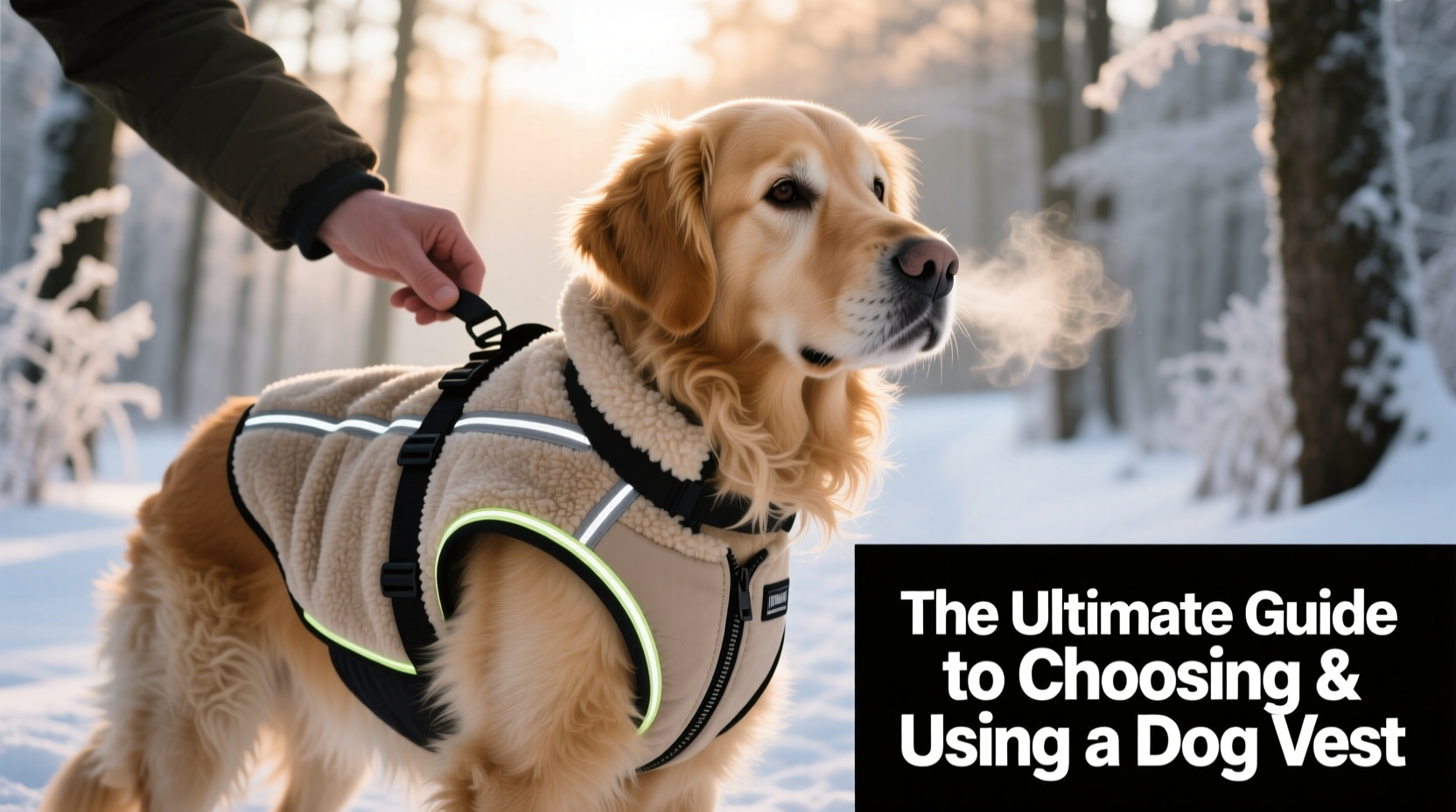
Dogs regulate body temperature differently than humans. Breeds like Chihuahuas, Greyhounds, and Whippets have minimal body fat and thin coats, making them prone to heat loss. Older dogs and those with medical conditions such as arthritis may also benefit from consistent warmth, as cold can exacerbate joint stiffness. Even active dogs on long hikes in snowy terrain can lose heat rapidly once they stop moving.
A dog vest provides targeted insulation for the torso—the area housing vital organs—without interfering with leg movement. Unlike bulky coats, vests are designed to stay secure during activity while allowing full range of motion. They’re ideal for walking, hiking, car rides, and even indoor use in drafty homes.
“Thermoregulation is critical in dogs, especially small or elderly ones. A properly fitted thermal vest can prevent hypothermia and improve overall comfort in cold environments.” — Dr. Lena Patel, DVM, Canine Health Specialist
How to Choose the Right Dog Vest: Key Factors
Selecting the best vest involves more than picking a cute color. Consider these essential factors to ensure safety, comfort, and effectiveness.
Fabric and Insulation
The material determines warmth, breathability, and durability. Common options include:
- Fleece: Soft, lightweight, and excellent for mild cold. Best for indoor or short outdoor use.
- Water-resistant nylon with thermal lining: Ideal for wet or windy conditions. Retains heat even when damp.
- Down or synthetic insulation (e.g., PrimaLoft): High warmth-to-weight ratio. Excellent for extreme cold but requires careful cleaning.
Fit and Sizing
A poorly fitting vest can chafe, restrict breathing, or slip off. Always measure your dog:
- Neck: Measure around the base where the collar sits.
- Chest: Wrap the tape around the widest part, behind the front legs.
- Back length: From base of neck to base of tail.
Refer to the manufacturer’s size chart—never assume your dog fits a “medium” based on breed alone. When in doubt, size up if your dog is between sizes.
Tip: Allow space for one finger to slide between the vest and your dog’s body. Too tight causes discomfort; too loose leads to shifting.Design and Functionality
Look for practical features:
- Adjustable straps for a custom fit
- Reflective strips for visibility in low light
- Leash access points (hole at the back for collar or harness connection)
- Easy on/off design (zippers, Velcro, or snap buttons)
Comparison of Popular Dog Vest Types
| Type | Best For | Warmth Level | Weather Resistance | Care Instructions |
|---|---|---|---|---|
| Fleece Vest | Indoor use, mild climates | Moderate | Low – not water-resistant | Machine wash, air dry |
| Insulated Puffer Vest | Cold climates, active dogs | High | Medium to high (if coated) | Spot clean or hand wash; avoid machine drying |
| Waterproof Shell Vest | Rain, snow, wind | Low to moderate (with liner) | Very high | Wipe down or rinse; air dry |
| Heated Vest (battery-powered) | Extreme cold, older dogs | Very high | Varies by model | Follow manufacturer guidelines; never submerge |
Step-by-Step Guide to Properly Putting On a Dog Vest
Even the best vest won’t help if it’s worn incorrectly. Follow these steps for a safe, secure fit:
- Prepare the vest: Lay it flat and ensure all fasteners are open.
- Position your dog: Stand or sit calmly. Offer a treat to encourage cooperation.
- Slide legs through: Gently guide the front legs into the armholes. Avoid pulling over the head unless designed that way.
- Secure the fit: Fasten side or belly straps first, then adjust any chest or neck closures.
- Check mobility: Let your dog walk, sit, and stretch. The vest should stay in place without riding up or pinching.
- Attach leash (if needed): Thread through the designated opening, ensuring no twisting.
Never leave a dog unattended in a vest, especially heated models. Monitor for signs of overheating or discomfort, such as excessive panting or restlessness.
Real-World Example: Keeping Luna Warm in Winter Hikes
Luna, a 7-year-old Border Terrier, loves hiking year-round. But her owner, Mark, noticed she’d shiver after 20 minutes on snowy trails. Despite her double coat, the wind chill was too much. After consulting his vet, Mark invested in a waterproof insulated vest with reflective trim.
He measured Luna carefully and chose a size up for layering over her harness. On their next hike, Luna stayed warm and active for over two hours. The vest didn’t shift during movement, and the leash access point made transitions seamless. “It’s like she got her energy back in winter,” Mark said. “She doesn’t huddle by the heater anymore.”
Caring for Your Dog’s Vest
Proper maintenance extends the life of the vest and ensures hygiene. Most vests require gentle cleaning:
- Check the care label before washing.
- Remove batteries from heated vests before any cleaning.
- Use mild detergent and cold water. Hand wash preferred for insulated models.
- Air dry completely—avoid radiators or direct sunlight, which can degrade elastic and fabric.
- Inspect regularly for loose stitching, frayed edges, or damaged fasteners.
Frequently Asked Questions
Can I leave the vest on my dog all day?
It’s safe for supervised indoor or outdoor wear, but remove it at night or when unsupervised. Extended use can lead to skin irritation or overheating, especially in heated models.
Do all dogs need a vest in winter?
No. Dogs with thick double coats (like Huskies or Malamutes) typically don’t need extra insulation unless exposed to extreme conditions. Use your judgment based on breed, age, health, and behavior—shivering or reluctance to go outside are clear signs of discomfort.
Are heated vests safe for dogs?
Yes, if used correctly. Choose models with auto-shutoff, low-voltage heating, and chew-resistant wiring. Never use overnight or without supervision. Consult your vet if your dog has sensitive skin or circulation issues.
Dog Vest Usage Checklist
- ✅ Measure your dog accurately before purchasing
- ✅ Choose appropriate insulation for your climate
- ✅ Ensure vest allows full range of motion
- ✅ Check for reflective details if walking in low light
- ✅ Introduce the vest gradually with positive reinforcement
- ✅ Clean and inspect the vest monthly
- ✅ Remove during rest or unsupervised periods
Final Thoughts
A dog vest isn’t just a seasonal accessory—it’s a practical tool for maintaining your pet’s comfort and well-being in colder months. By understanding your dog’s needs, selecting the right materials and fit, and using the vest responsibly, you can ensure safe, enjoyable outdoor time all winter long. Whether you're braving city sidewalks or mountain trails, the right vest helps your dog stay warm, mobile, and happy.
💬 Have a favorite dog vest brand or warming tip? Share your experience in the comments to help fellow pet owners make informed choices!








