Cats are creatures of habit, and few things impact their daily comfort as directly as their litter box. A poorly designed or ill-fitting litter box can lead to stress, inappropriate elimination, and even health issues. While store-bought options abound, they often fail to account for individual cat preferences, physical limitations, or household layouts. That’s where a custom-built litter box comes in.
By designing a litter box specifically for your cat’s size, mobility, and behavior, you’re not just solving a hygiene issue—you’re improving their quality of life. This guide walks through every step of creating a personalized solution that balances functionality, cleanliness, and feline psychology.
Understanding Your Cat’s Litter Box Needs
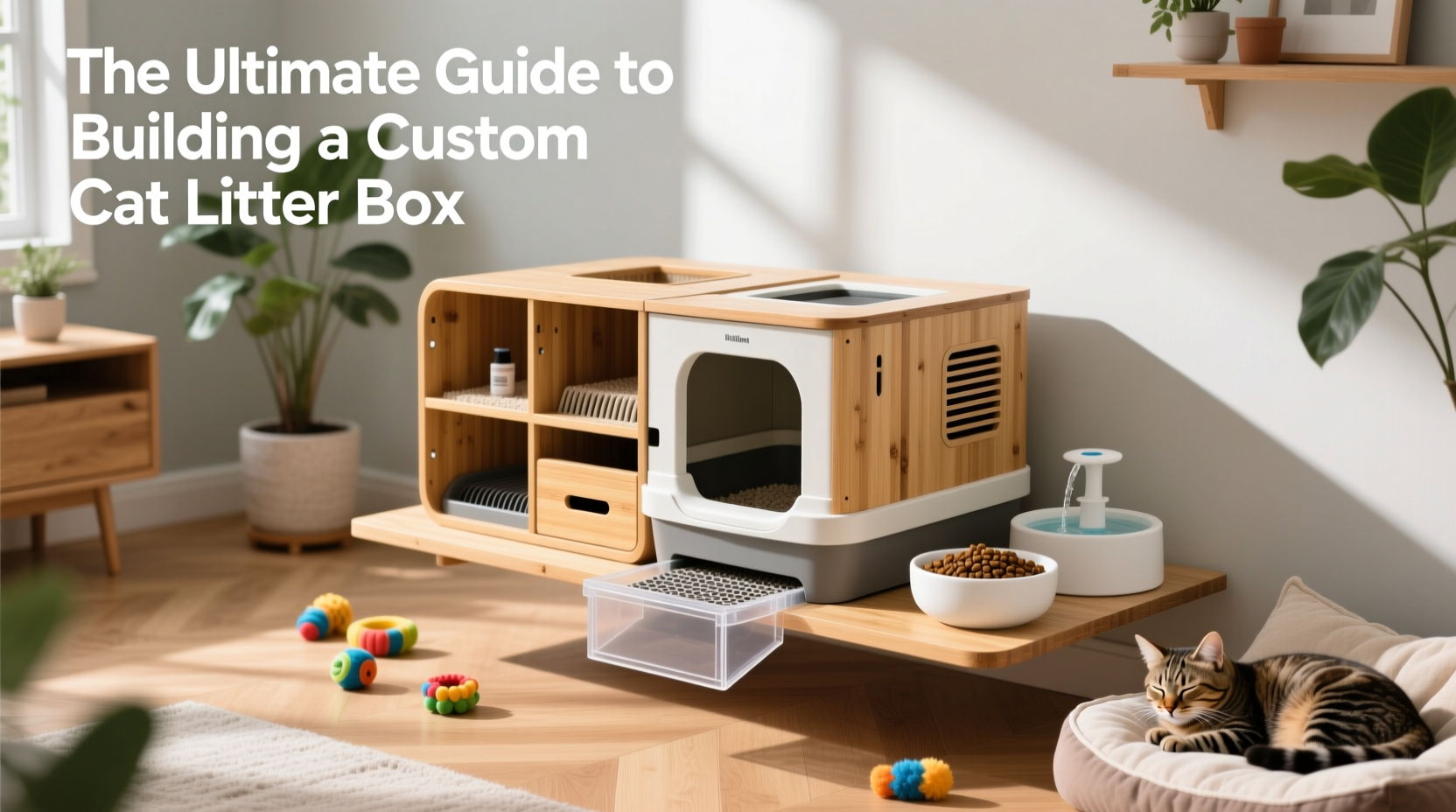
A cat doesn’t just use the litter box—it experiences it. The height of the sides, the texture of the litter, the level of privacy, and even the location all influence whether your cat will use it consistently. Many behavioral problems stem from mismatched litter boxes rather than true disobedience.
Consider these factors:
- Size: The box should be 1.5 times your cat’s length to allow full digging and turning.
- Entry Height: Older or arthritic cats need low-entry access; kittens need manageable climbs.
- Privacy: Some cats prefer covered boxes, while others feel trapped and avoid them.
- Odor Control: Ventilation and containment affect both air quality and your cat’s willingness to return.
- Litter Type: Clumping, silica, or natural—your build should accommodate your chosen medium.
Step-by-Step Guide to Building Your Custom Litter Box
Building a custom litter box doesn’t require advanced carpentry. With basic tools and materials, you can create a durable, hygienic solution in under a day.
- Measure your cat. From nose to tail base, then add 50%. This determines minimum internal length.
- Choose your base container. Large storage bins (like Sterilite or Rubbermaid) work well. Look for smooth interiors and sturdy walls.
- Determine entry type. Decide between a top-entry, front-low cutout, or side ramp based on your cat’s age and mobility.
- Modify the structure. Use a jigsaw or utility knife to cut entry points. Sand edges smooth to prevent injury.
- Add ventilation. Drill small holes near the top back for airflow without compromising containment.
- Line and seal. Apply waterproof silicone along seams. Use a removable liner for easy cleaning.
- Test and adjust. Place the box in its intended location and monitor usage over several days.
Material Comparison Table
| Material | Pros | Cons | Best For |
|---|---|---|---|
| Plastic Storage Bin | Affordable, lightweight, smooth interior | Can warp with heat, may scratch | Most households, DIY beginners |
| Wood (sealed) | Durable, customizable shape, aesthetic appeal | Labor-intensive, must be fully waterproofed | Owners wanting built-in furniture integration |
| Acrylic | Modern look, scratch-resistant | Expensive, difficult to modify | Design-focused homes |
Design Options Based on Cat Profile
Not all cats have the same needs. Tailoring the design to your cat’s life stage and health ensures long-term success.
Kittens & Agile Adults
These cats benefit from standard-sized boxes with moderate sides (6–8 inches). A front-entry with a 4-inch lip allows easy access while containing litter. Consider adding a hood with a front-facing opening for scent control.
Senior Cats & Those with Arthritis
Low-entry designs are essential. Cut a wide U-shaped doorway into one side, no higher than 3 inches from the base. Add non-slip flooring inside using adhesive shelf liner. Position the box near resting areas to reduce walking distance.
Overweight or Large-Breed Cats
Standard boxes often trap larger cats mid-turn. Opt for a container at least 24” x 16”, or build a rectangular wooden frame. Ensure 180-degree turning space. Avoid hoods—they limit headroom and increase anxiety.
Cats with Anxiety or Litter Aversion
Some cats avoid litter boxes due to past trauma or poor initial training. For these cats, prioritize open designs in quiet, low-traffic zones. Use unscented litter and avoid sudden changes. A semi-enclosed model with partial side walls can offer security without confinement.
“Cats are fastidious by nature. When they avoid the litter box, it’s usually because the environment fails them—not the other way around.” — Dr. Lena Torres, Feline Behavior Specialist
Real Example: Helping Bella, the Senior Persian
Bella, a 14-year-old Persian with mild arthritis, began eliminating beside her litter box. Her owner assumed she was “acting out,” but observation revealed she struggled to lift her legs over the 7-inch rim. After switching to a repurposed sweater storage bin with a 2.5-inch entry cut into the side, Bella returned to consistent use within two days. The new box was lined with non-slip matting and placed next to her favorite cushion. Within a week, accidents ceased entirely.
This case underscores how a simple structural adjustment—guided by empathy and observation—can resolve what appears to be a behavioral issue.
Do’s and Don’ts of Custom Litter Box Design
| Do’s | Don’ts |
|---|---|
| Build the box 1.5x your cat’s body length | Use containers with rough or sharp interior edges |
| Seal all joints with waterproof silicone | Place the box near loud appliances (washer, furnace) |
| Add a removable lid for easier cleaning | Make the entry too narrow or high for safe access |
| Include a small ventilation zone at the top rear | Use strong-smelling paints or adhesives inside |
Frequently Asked Questions
How many litter boxes should I have?
The general rule is one per cat, plus one extra. In multi-cat homes, spreading boxes across different rooms reduces territorial tension and gives each cat a private option.
Can I integrate the litter box into my home decor?
Absolutely. Many owners build cabinetry enclosures with access tunnels or place boxes inside repurposed dressers (with drawers removed). Just ensure easy access for cleaning and sufficient airflow.
How do I keep odors under control in a custom box?
Use clumping, low-dust litter and scoop daily. Line the bottom with a carbon-filter odor mat. Ventilate the room and clean the entire box monthly with a vinegar-water solution—never ammonia-based cleaners, which mimic urine scent.
Final Checklist Before Launch
- ✅ Measured your cat’s full body length
- ✅ Chosen appropriate entry style (top, front, side)
- ✅ Smoothed all cut edges
- ✅ Sealed seams with waterproof silicone
- ✅ Placed in a quiet, accessible location
- ✅ Added non-slip surface if needed
- ✅ Tested with litter and observed first use
Take Action Today for a Happier, Healthier Cat
Your cat’s litter box isn’t just a utility—it’s a cornerstone of their emotional and physical well-being. A custom solution shows deep respect for their instincts and individuality. Whether you’re accommodating an aging companion or optimizing for a playful kitten, the effort you invest today pays dividends in harmony, hygiene, and trust.
💬 Have you built a custom litter box? Share your design tips or challenges in the comments—your experience could help another cat lover solve their own puzzle.








