Finding the right collar for a small dog isn’t just about style—it’s about safety, comfort, and long-term well-being. Too tight, and it can restrict breathing or irritate the skin; too loose, and the dog might slip out and escape. Many owners assume one size fits all or rely on guesswork, but accurate measurement is the only way to ensure a secure, comfortable fit. This guide walks you through every step of measuring your small dog correctly, avoiding common pitfalls, and choosing the ideal collar based on precise data.
Why Proper Collar Fit Matters for Small Dogs
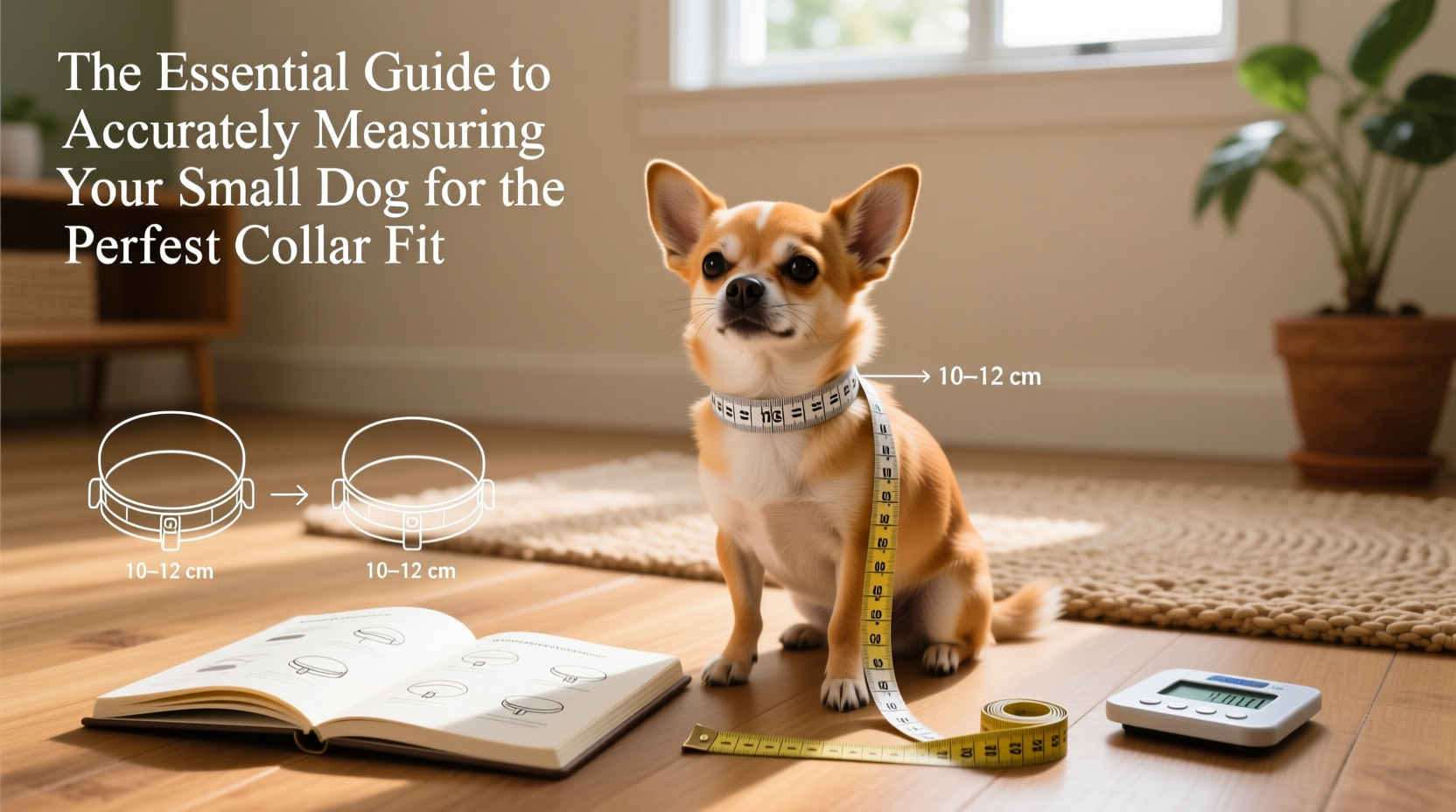
Small dogs, especially toy breeds like Chihuahuas, Pomeranians, and Yorkshire Terriers, have delicate necks and unique proportions. Their tracheas are more fragile than those of larger breeds, making ill-fitting collars potentially dangerous. A collar that's too tight can lead to tracheal collapse, skin irritation, or hair loss. One that's too loose risks slipping over the head during walks, creating escape hazards.
Beyond health concerns, a properly fitted collar ensures identification tags stay secure and harnesses (if used) align correctly. It also prevents constant readjustment, which stresses both pet and owner. Accurate measurements eliminate these issues and lay the foundation for safe, enjoyable outdoor time.
Tip: Always measure your dog’s neck at the end of the day when slight swelling from activity may occur—this ensures extra comfort.Step-by-Step Guide to Measuring Your Dog’s Neck
Measuring your dog’s neck properly requires patience and precision. Follow this timeline to get reliable results:
- Gather tools: Use a soft fabric tape measure. If unavailable, use a piece of string and a ruler.
- Choose the right time: Measure after a walk or meal when the neck may be slightly expanded, ensuring room for natural movement.
- Position your dog: Have them stand naturally, head in a neutral position—not looking up or down.
- Locate the measurement point: Wrap the tape around the middle of the neck, just behind the ears and below the jawline—the spot where the collar normally sits.
- Ensure proper snugness: The tape should be close to the skin but not pressing into it. You should be able to slide two fingers comfortably beneath it.
- Record the measurement: Note the exact circumference in inches or centimeters. Round to the nearest 1/4 inch for accuracy.
If using string, mark where the ends meet, then lay it flat against a ruler to determine length. Repeat the process two or three times to confirm consistency.
Understanding Collar Sizing Charts and Adjustability
Once you have your dog’s neck measurement, consult the manufacturer’s sizing chart. Never assume “small” means one standard size—variations exist across brands. Most collars list a range (e.g., 8–12 inches), indicating adjustability.
The ideal collar should fit within the middle third of its adjustment range. For example, if your dog measures 10 inches, choose a collar adjustable from 8–12 or 9–13 inches. Avoid selecting one that uses only the first or last hole regularly, as this limits future adjustments and strains hardware.
| Dog Weight (lbs) | Average Neck Size (inches) | Recommended Collar Range |
|---|---|---|
| 2–5 | 6–8 | 6–9 or 7–10 |
| 6–10 | 8–10 | 8–12 |
| 11–15 | 10–12 | 9–13 or 10–14 |
| 16–20 | 12–14 | 11–15 or 12–16 |
Note: These are general guidelines. Always prioritize actual measurements over weight-based estimates.
Common Measurement Mistakes to Avoid
- Using a rigid ruler instead of a flexible tape: Hard tools don’t conform to curves, leading to inaccurate readings.
- Measuring too high or too low on the neck: Placement affects tension and fit. Stick to the natural collar zone.
- Allowing the dog to pull or tense during measurement: This inflates the reading. Wait until they’re relaxed.
- Ignoring fur thickness: Fluffy breeds like Pomeranians need extra consideration—measure close to the skin, not over puffed-up fur.
- Assuming puppies will “grow into” a larger collar: Oversized collars pose serious risks. Re-measure monthly during growth phases.
Real Example: How Mia the Maltipoo Avoided a Close Call
Mia, a 9-month-old Maltipoo, kept slipping out of her collar during neighborhood walks. Her owner, Lisa, assumed she’d chosen the right size based on store recommendations. After consulting a trainer, she re-measured Mia using a soft tape, discovering the original collar was nearly an inch too loose. Worse, it only used the smallest adjustment hole, meaning there was no room to tighten it further.
Lisa switched to a collar with a 9–13 inch range. She adjusted it so two fingers fit comfortably underneath, and the buckle sat centered under the chin. Since then, Mia hasn’t slipped free, and her owner feels confident during off-leash training near parks. The simple act of remeasuring prevented a potential disaster.
Expert Insight on Canine Comfort and Safety
“Many collar-related injuries in small dogs stem from improper fit, not poor quality. Owners must treat measurement as non-negotiable—like fitting a child’s car seat.” — Dr. Rachel Nguyen, DVM, Canine Orthopedic & Wellness Specialist
Checklist: Ensuring a Perfect Collar Fit
Before purchasing or finalizing a collar, go through this checklist:
- ✅ Measured neck with a soft tape measure
- ✅ Took measurement at the correct location (middle of neck, behind ears)
- ✅ Confirmed two-finger test clearance
- ✅ Checked manufacturer’s size chart, not just label terms like “small”
- ✅ Selected a collar with room for adjustment (middle range usage)
- ✅ Inspected material for comfort (neoprene, padded nylon, or soft leather for sensitive skin)
- ✅ Verified secure clasp mechanism (side-release buckles often safer than traditional rings for tiny breeds)
Frequently Asked Questions
How often should I re-measure my small dog?
Puppies should be measured every 2–4 weeks until six months old, then monthly until fully grown. Adult dogs need re-measurement every 6–12 months, or sooner if they gain or lose weight significantly.
Can I use the same measurement for a harness?
No. Harnesses require multiple measurements—neck, chest girth, and sometimes back length. Always follow specific sizing guides for each type of gear.
What if my dog has a thick ruff or mane?
Part the fur and measure directly against the skin. A collar should fit the body, not the coat. Otherwise, once groomed, it could become dangerously loose.
Conclusion: Precision Leads to Peace of Mind
Accurately measuring your small dog for a collar isn’t complicated—but it is critical. Taking a few minutes to do it right protects your pet from injury, escape, and discomfort. Whether you're shopping online or in-store, having an exact measurement empowers confident decisions. Combine that with regular fit checks and quality materials, and you’ve set the standard for responsible pet care.
🚀 Take action today: Grab a tape measure, recheck your dog’s neck, and verify their current collar fit. A few seconds now could prevent problems later.








