Salmon is a nutrient-rich fish that has earned its reputation as a superfood in both human and canine diets. When prepared correctly, it offers high-quality protein, essential fatty acids, and vital vitamins that support a dog’s immune system, coat health, and joint function. However, improper handling or preparation can introduce serious health risks, including parasites, bacterial contamination, and even mercury exposure. Understanding how to safely incorporate salmon into your dog’s diet is critical for maximizing benefits while minimizing danger.
Nutritional Benefits of Salmon for Dogs
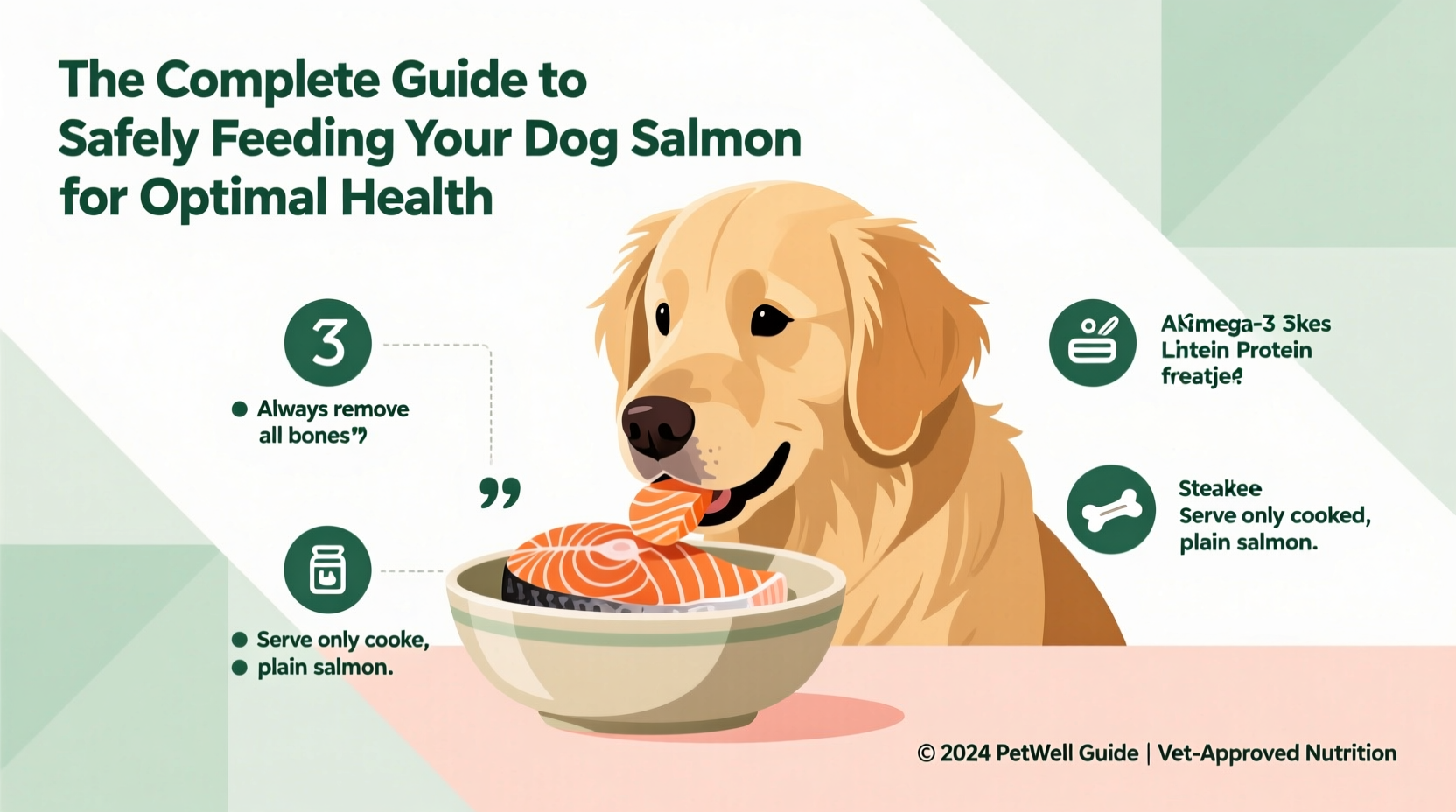
Salmon stands out among animal proteins due to its exceptional balance of nutrients. It's particularly rich in omega-3 fatty acids—specifically EPA and DHA—which play a crucial role in reducing inflammation, supporting cognitive development, and promoting healthy skin and a shiny coat. These fatty acids are especially beneficial for senior dogs with arthritis or younger dogs prone to allergies.
Beyond fats, salmon provides:
- High biological value protein – supports muscle maintenance and repair.
- Vitamin D – aids calcium absorption and bone health.
- Vitamin B12 – essential for nerve function and red blood cell formation.
- Selenium – an antioxidant that protects cells from oxidative damage.
- Astaxanthin – a naturally occurring carotenoid with anti-inflammatory properties.
Compared to other common proteins like chicken or beef, salmon is lower in saturated fat and higher in heart-healthy fats, making it a smart rotational choice for dogs needing dietary variety or those on vet-recommended weight management plans.
Tip: Rotate salmon with other lean proteins like turkey or whitefish to prevent dietary monotony and reduce the risk of food sensitivities.Risks and Precautions When Feeding Salmon
Despite its benefits, raw or improperly cooked salmon poses significant dangers. The most notable risk comes from raw Pacific Northwest salmon, which may carry *Nanophyetus salmincola*, a parasitic flatworm that hosts *Neorickettsia helminthoeca*—the bacterium responsible for salmon poisoning disease (SPD). This condition is potentially fatal if left untreated and is unique to certain regions of North America.
Symptoms of SPD include:
- Fever
- Vomiting and diarrhea (sometimes bloody)
- Lethargy
- Swollen lymph nodes
- Loss of appetite
Even outside endemic areas, raw fish carries risks of *Listeria*, *Salmonella*, and *Clostridium* contamination, which can affect both pets and humans through cross-contamination.
“Feeding raw salmon to dogs is one of the most preventable causes of severe gastrointestinal illness. Cooking eliminates nearly all known pathogens.” — Dr. Lena Reyes, Veterinary Nutritionist, DACVN
Safe Preparation Methods: A Step-by-Step Guide
To safely feed salmon to your dog, follow this detailed preparation process:
- Select fresh or frozen wild-caught salmon – Avoid farmed salmon with high antibiotic residues when possible. Look for bright pink flesh, firm texture, and a clean ocean smell.
- Remove all bones completely – Cooked bones can splinter and cause internal injury.
- Cook thoroughly to 145°F (63°C) – Use baking, steaming, or poaching without added oils, butter, salt, garlic, or onions, which are toxic to dogs.
- Let cool and portion appropriately – Serve in sizes based on your dog’s weight: no more than 1 oz per 10 lbs of body weight per meal.
- Mix with regular food or use as a topper – Introduce gradually over 3–5 days to monitor for digestive upset.
Freezing salmon at -4°F (-20°C) for at least 7 days can kill parasites, but it does not eliminate bacteria. Therefore, freezing alone is insufficient for safety—cooking remains essential.
Do’s and Don’ts of Feeding Salmon to Dogs
| Do’s | Don’ts |
|---|---|
| Cook salmon thoroughly before serving | Never feed raw or undercooked salmon |
| Choose boneless fillets | Avoid smoked, salted, or seasoned salmon (e.g., lox) |
| Introduce slowly to assess tolerance | Don’t exceed 10% of daily caloric intake from treats/snacks |
| Use wild-caught when available | Never add garlic, onion, or seasoning blends |
| Store leftovers in the fridge for up to 3 days | Don’t rely solely on salmon as a protein source long-term |
Commercial Options: Salmon in Dog Food and Supplements
Many premium dog foods list salmon as a primary ingredient, often using deboned, cooked salmon or salmon meal. These products undergo strict processing standards to ensure safety and nutrient retention. When choosing commercial diets, look for:
- AAFCO-compliant nutrition statements
- Named sources like “salmon” rather than vague terms like “fish meal”
- No artificial preservatives (BHA, BHT, ethoxyquin)
Fish oil supplements derived from salmon are also widely used to boost omega-3 intake. While effective, they should complement—not replace—whole-food sources unless advised by a veterinarian. Always check expiration dates and storage conditions, as rancid oils can do more harm than good.
Real Example: Max’s Allergy Relief Journey
Max, a 4-year-old Golden Retriever, suffered from chronic ear infections and itchy skin despite being on a grain-free kibble. His owner consulted a veterinary dermatologist, who recommended switching to a limited-ingredient diet featuring salmon as the sole protein. After transitioning over two weeks, Max’s symptoms improved dramatically within six weeks. Blood tests later confirmed a sensitivity to chicken, previously undiagnosed. By rotating between salmon, duck, and venison-based meals, Max now enjoys clear skin and sustained energy—proof that targeted protein selection can transform quality of life.
Tip: If your dog has food sensitivities, work with your vet to conduct an elimination diet before introducing new proteins like salmon.FAQ: Common Questions About Dogs and Salmon
Can puppies eat salmon?
Yes, puppies can eat cooked, boneless salmon in moderation. Omega-3s support brain development, but portions must be small and introduced carefully to avoid digestive issues. Consult your vet before adding new proteins during growth phases.
Is canned salmon safe for dogs?
Canned salmon packed in water (not brine or oil) and free of added salt or flavorings can be fed occasionally. Drain excess liquid and inspect for bones. Wild-caught options are preferable due to lower contaminant levels.
How often can I feed my dog salmon?
Twice a week is generally safe for most dogs, provided it fits within their overall balanced diet. Frequent feeding increases exposure to environmental contaminants like mercury, so moderation is key—even with healthy foods.
Checklist: Safely Adding Salmon to Your Dog’s Diet
- ☐ Confirm your dog has no known fish allergies
- ☐ Purchase fresh or frozen boneless salmon fillet
- ☐ Cook thoroughly without seasonings or oils
- ☐ Cool and flake into appropriate portion sizes
- ☐ Mix a small amount into regular food for first feeding
- ☐ Monitor for vomiting, diarrhea, or itching over next 48 hours
- ☐ Store leftovers properly and use within three days
Conclusion: Nourish with Confidence
Salmon, when handled and prepared correctly, is one of the most powerful natural tools for enhancing your dog’s vitality. From reducing inflammation to improving coat luster, its benefits are backed by science and supported by veterinarians. But with great nutrition comes responsibility—always prioritize safety over convenience. By cooking thoroughly, avoiding harmful additives, and feeding in balance, you give your dog the best of what nature offers without unnecessary risk.
💬 Have you introduced salmon to your dog’s diet? Share your experience or ask questions in the comments below—we’d love to hear how it’s working for your furry friend!








