
Fleas and ticks are more than just a nuisance—they pose serious health risks to dogs, including skin infections, anemia, and the transmission of diseases like Lyme disease and ehrlichiosis. Frontline, a widely trusted topical treatment, offers powerful protection when used correctly. However, improper application can reduce effectiveness or even harm your pet. This guide provides clear, science-backed steps to ensure you apply Frontline safely and effectively, maximizing protection while minimizing risk.
Understanding Frontline: How It Works
Frontline contains the active ingredient fipronil, which targets the nervous systems of fleas and ticks. Once applied, it spreads across your dog’s skin via the natural oils in their coat. Fleas and ticks absorb the chemical on contact, leading to paralysis and death within 24–48 hours. Unlike oral medications, Frontline works topically and remains effective for up to 30 days per application.
It's important to note that Frontline does not enter the bloodstream. Instead, it accumulates in the sebaceous glands of the skin and is gradually released over time. This makes timing, placement, and frequency of application critical for sustained protection.
“Topical treatments like Frontline are most effective when applied correctly and consistently. Skipping months or applying between the shoulders incorrectly reduces efficacy significantly.” — Dr. Rebecca Langley, DVM, Veterinary Parasitology Specialist
Step-by-Step Guide to Applying Frontline Safely
Proper application ensures maximum absorption and coverage while reducing the risk of irritation or accidental ingestion by pets or humans.
- Choose the correct dosage: Frontline comes in different sizes based on your dog’s weight. Using the wrong dose—too little or too much—can be ineffective or dangerous. Always verify your dog’s current weight before purchasing.
- Inspect the applicator tube: Check the seal and expiration date. Do not use if the tube is damaged or expired.
- Bathe your dog (if needed) at least 48 hours before application: Shampooing too close to treatment can strip natural skin oils, impairing distribution. Avoid bathing for at least 48 hours after application as well.
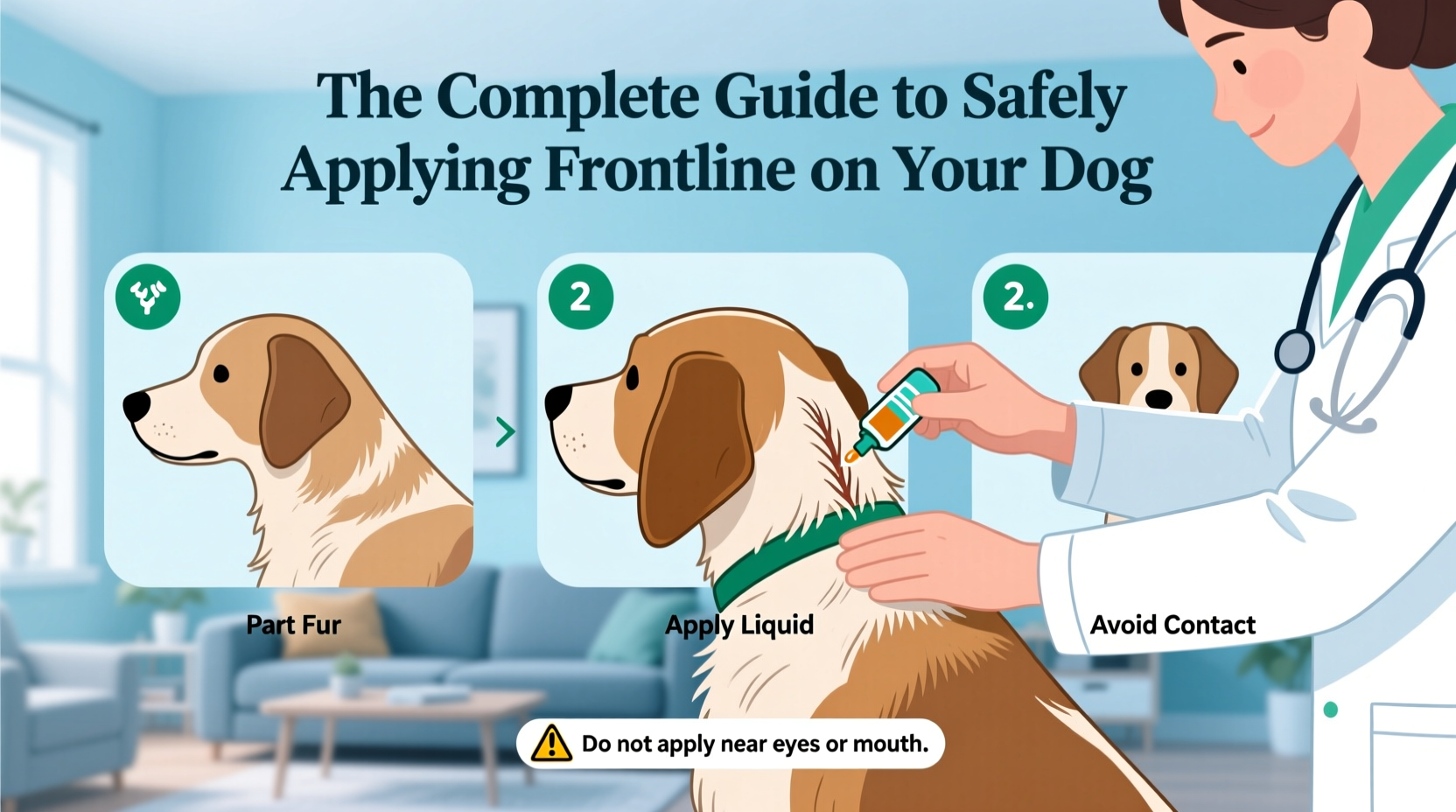
- Part the fur at the base of the neck: Locate the area between the shoulder blades where your dog cannot lick. Part the hair until you see the skin.
- Apply directly to the skin: Squeeze the entire contents of the tube onto one spot, ensuring the liquid touches the skin, not just the fur. For larger dogs requiring multiple doses, divide the application between two or three spots along the backline.
- Keep hands away and prevent licking: Wash your hands immediately after use. Prevent your dog from grooming the area for at least 24–48 hours.
- Wait before handling or allowing contact with children: Let the application site dry completely, usually within 24 hours, before resuming normal petting or co-sleeping.
Common Mistakes to Avoid When Using Frontline
Even conscientious pet owners make errors that compromise protection. The following table outlines frequent missteps and how to avoid them.
| Mistake | Why It’s Harmful | How to Avoid |
|---|---|---|
| Applying to wet fur or immediately after bathing | Reduces absorption into skin oils | Wait at least 48 hours after bathing |
| Squeezing onto fur instead of skin | Product may not distribute properly | Part the coat and apply directly to skin |
| Using cat formula on dogs | Cat-specific versions may contain additional ingredients unsafe for dogs | Always confirm “For Dogs” on packaging |
| Skipping applications during colder months | Fleas and ticks remain active in many climates year-round | Maintain monthly treatment without interruption |
| Allowing children to hug or play near the application site too soon | Risk of skin transfer or irritation | Wait 24–48 hours before close contact |
Real-World Example: A Missed Application Leads to Trouble
Mark, a dog owner in North Carolina, skipped his Labrador’s October Frontline dose, assuming cooler weather meant fewer pests. By mid-November, Max developed intense itching, hair loss around the tail, and was diagnosed with flea allergy dermatitis and a secondary bacterial infection. A vet traced the outbreak to a single missed treatment that allowed fleas to establish in the home. After restarting Frontline and deep-cleaning his house, Mark resumed strict monthly applications—and hasn’t missed one since.
This case underscores that seasonal thinking can be misleading. Fleas thrive indoors year-round, and ticks can be active whenever temperatures rise above freezing.
Essential Safety Tips and Precautions
While Frontline is generally safe when used as directed, certain precautions protect both pets and people.
- Do not use on puppies under 8 weeks old unless specifically labeled for younger animals.
- Avoid use on sick, elderly, or medicated dogs without consulting your veterinarian.
- Store unused tubes out of reach of children and pets in a cool, dry place.
- Wear gloves if you have sensitive skin or open cuts when applying.
- Monitor for adverse reactions such as excessive drooling, tremors, lethargy, or skin redness. If observed, bathe your dog with mild soap and contact your vet immediately.
FAQ: Common Questions About Frontline Use
Can I use Frontline Plus and Frontline Spray interchangeably?
No. Frontline Plus contains fipronil and (S)-methoprene, offering broader protection against flea eggs and larvae. Frontline Spray is often used for environmental control or in emergencies but requires more frequent reapplication. They serve different purposes and should not be substituted without understanding their distinct uses.
What if my dog licks the application site after treatment?
If licked immediately after application, your dog may salivate excessively or vomit due to the taste. While serious toxicity is rare, monitor for signs of distress. To prevent this, apply in an area your dog cannot reach, and consider using an Elizabethan collar if necessary.
Is Frontline safe for pregnant or nursing dogs?
There is limited data on Frontline use in breeding, pregnant, or lactating dogs. Consult your veterinarian before treating these animals, as safer alternatives may be recommended.
Final Checklist Before Application
- ✅ Confirm your dog’s current weight
- Ensures correct dosage
- ✅ Purchase the right product labeled “for dogs”
- Prevents cross-species toxicity
- ✅ Schedule application monthly without fail
- Continuous protection prevents infestations
- ✅ Part the fur and apply to bare skin
- Maximizes absorption and spread
- ✅ Wait 48 hours before swimming or bathing
- Maintains product integrity
- ✅ Wash hands thoroughly after use
- Protects human health
Conclusion: Protect Your Pet with Confidence
Effective flea and tick control isn't just about buying the right product—it's about using it the right way. Frontline remains one of the most reliable defenses available, but its success depends entirely on consistent, correct application. By following the guidelines outlined here, you safeguard your dog from parasitic threats, avoid common pitfalls, and contribute to a healthier household environment. Start today: check your supply, mark your calendar, and commit to a routine that keeps your loyal companion protected all year long.
💬 Have questions about your current flea prevention plan? Share your experience or ask for advice in the comments below—let’s help each other keep our dogs safe and comfortable.








