Choosing the right feeding setup for your pet goes beyond convenience—it can significantly influence their digestive health, comfort, and long-term well-being. While many pet owners assume that any clean dish will do, research and veterinary insight suggest that the height and design of a pet’s food bowl play a crucial role in how efficiently they eat and digest their meals. From reducing bloating to preventing strain on joints and spine, the difference between a tall (elevated) food bowl and a flat plate-style dish can be more impactful than it appears.
This article examines the physiological effects of both feeding styles, explores breed-specific needs, and provides evidence-based guidance to help you make an informed decision tailored to your pet’s unique anatomy and health requirements.
The Science of Eating Posture and Digestion
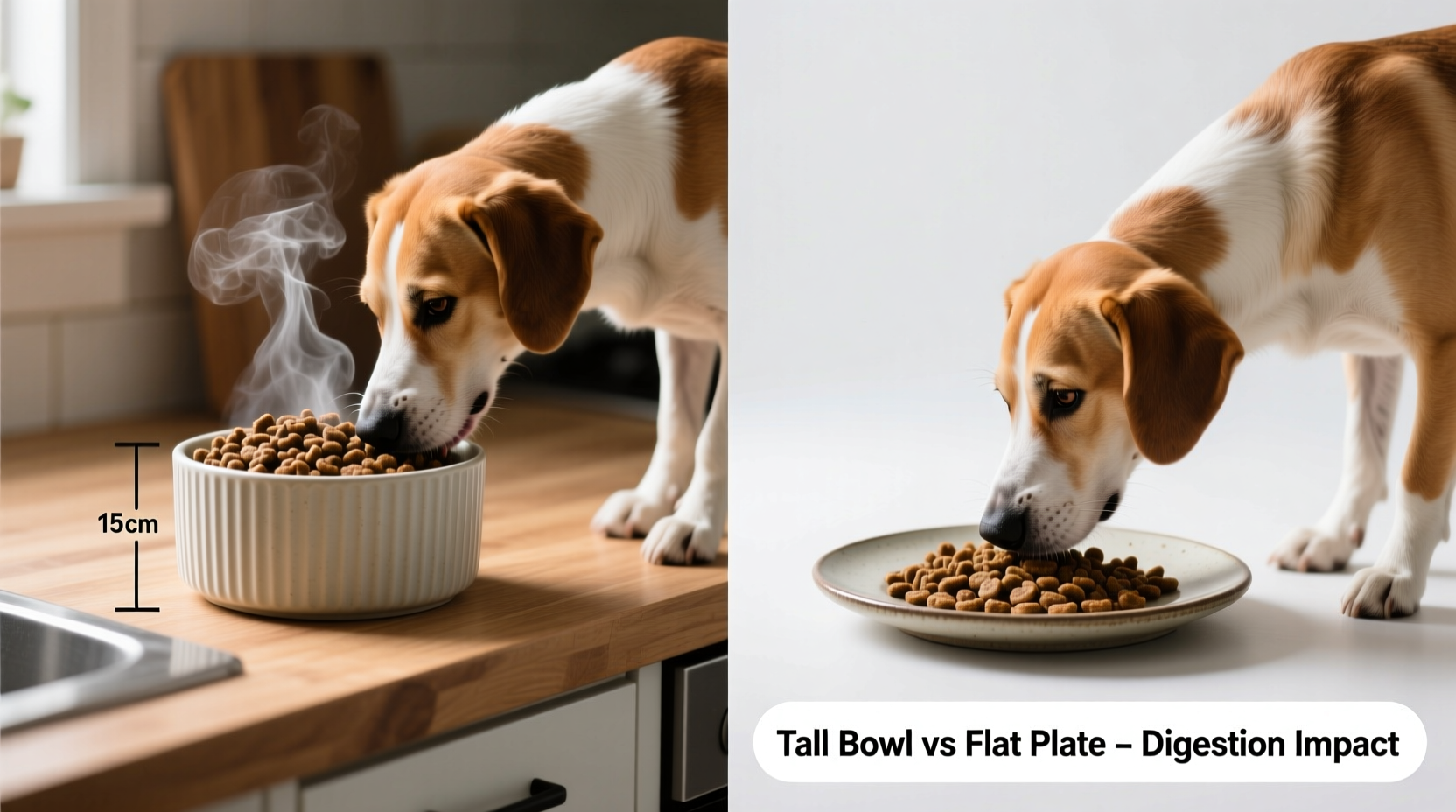
Digestion begins the moment food enters the mouth. Proper chewing, saliva production, and swallowing mechanics are all influenced by posture. When pets eat from the floor or a low flat plate, they often have to lower their heads dramatically, stretching their necks forward and down. This unnatural angle can compress the esophagus and trachea, disrupt the smooth passage of food, and increase air intake during eating—leading to gas, discomfort, and inefficient digestion.
In contrast, elevated or tall food bowls bring the meal closer to the animal’s natural shoulder level, promoting a straighter spine and neutral head position. This alignment supports more controlled chewing and reduces the likelihood of gulping air—a common contributor to bloat, especially in deep-chested dog breeds.
“Elevating food bowls can reduce cervical strain and improve esophageal transit time, particularly in large and giant breeds.” — Dr. Lena Patel, Veterinary Nutritionist, DACVN
A 2020 study published in the *Journal of Small Animal Practice* found that dogs fed from elevated feeders exhibited slower eating rates and reduced incidence of regurgitation compared to those eating from ground-level dishes. The improved posture encouraged more deliberate chewing and less stress on the upper gastrointestinal tract.
Pros and Cons: Tall Food Bowls vs Flat Plates
Each feeding method offers distinct advantages and drawbacks depending on the pet’s size, age, breed, and medical history. Below is a comparative analysis to clarify which option may be best suited for different scenarios.
| Feature | Tall (Elevated) Food Bowl | Flat Plate / Floor-Level Dish |
|---|---|---|
| Neck & Spine Alignment | ✓ Promotes neutral posture; reduces strain | ✗ Forces downward stretch; may cause tension |
| Digestive Efficiency | ✓ Encourages slower eating; less air ingestion | ✗ Faster eating; higher risk of aerophagia (air swallowing) |
| Breed Suitability | ✓ Ideal for large/giant breeds (e.g., Great Danes, Mastiffs) | ✓ Better for small breeds or cats if not too low |
| Risk of Bloat (GDV) | ⚠️ Mixed evidence—some studies suggest increased risk if improperly used | ⚠️ Lower elevation may reduce GDV risk in certain cases |
| Mobility Support | ✓ Beneficial for arthritic or senior pets | ✗ Can aggravate joint pain with prolonged bending |
| Stability & Spillage | ⚠️ May tip if not weighted or secured | ✓ Generally stable, but food spreads easily |
While elevated bowls offer ergonomic benefits, they are not universally recommended. For example, some research indicates that very high feeders might increase the risk of gastric dilatation-volvulus (GDV), commonly known as bloat, in susceptible breeds. A landmark study by Glickman et al. (2000) noted that while raised feeders were associated with a slight increase in GDV incidence, the primary risk factors remained genetic predisposition, rapid eating, and post-meal exercise.
When Tall Bowls Make a Difference: Real-World Applications
Consider Max, a 7-year-old German Shepherd with early-onset hip dysplasia and mild spondylosis. His owner noticed he was hesitating before meals, often taking breaks mid-eating and showing signs of discomfort afterward. After consulting with a veterinary physiotherapist, they transitioned Max to a 12-inch elevated feeder aligned with his chest when standing.
Within two weeks, Max’s eating speed normalized, his post-meal bloating decreased, and he stopped arching his back after meals. His vet attributed these improvements to reduced spinal compression and better diaphragmatic movement during swallowing. This case illustrates how a simple change in feeding height can alleviate chronic discomfort linked to poor biomechanics.
Tip: The ideal height for an elevated bowl should align with your pet’s chest or elbow level when standing—not the top of the shoulder.Similarly, older cats with osteoarthritis may struggle to maintain a crouched position while eating from a floor dish. Raising the food just 3–5 inches can relieve pressure on their front limbs and encourage more consistent appetite, especially in multi-cat households where competition might otherwise force quicker, more stressful meals.
Step-by-Step Guide to Choosing the Right Feeding Setup
Selecting the optimal feeding solution requires observation, measurement, and sometimes trial and error. Follow this practical sequence to determine what works best for your pet:
- Assess Your Pet’s Physical Condition: Look for signs of arthritis, stiffness, or reluctance to bend down. Senior pets and those with musculoskeletal issues typically benefit from elevation.
- Measure Proper Height: Have your pet stand naturally. Measure from the floor to the midpoint between their elbows and shoulders. This is the ideal bowl height.
- Introduce Gradually: If switching to a tall bowl, allow a few days for adjustment. Some pets may initially avoid the new setup due to unfamiliarity.
- Monitor Eating Behavior: Watch for gulping, choking, or hesitation. Slow, rhythmic chewing indicates comfort; rapid swallowing suggests stress or poor positioning.
- Evaluate Digestive Response: Track changes in gas, stool quality, vomiting, or bloating over one week. Improved consistency and reduced discomfort signal positive adaptation.
- Adjust as Needed: Not all pets respond the same. Smaller dogs may prefer slightly lower heights, while long-backed breeds like Dachshunds may need support at both ends to prevent spinal sagging.
Common Misconceptions About Elevated Feeders
Despite growing popularity, several myths persist about tall food bowls:
- Myth: All large dogs should use elevated feeders.
Truth: While many benefit, dogs prone to GDV may need careful evaluation. Elevation alone does not prevent bloat and should be combined with other preventive strategies like slow-feed bowls and avoiding exercise after meals. - Myth: Flat plates mimic natural scavenging behavior.
Truth: Wild canids don’t eat from flat surfaces on hard ground—they consume prey in varied postures. Domestic feeding ergonomics should prioritize health over assumed “natural” behaviors. - Myth: Any raised surface is good.
Truth: Unstable stands or overly high platforms can create new problems. Stability, non-slip bases, and correct height are essential.
Checklist: Is a Tall Food Bowl Right for Your Pet?
Use this checklist to evaluate whether an elevated feeder could enhance your pet’s digestive experience:
- ☐ Pet is a large or giant breed (e.g., Labrador, Saint Bernard, Irish Wolfhound)
- ☐ Shows signs of neck, back, or joint pain during or after meals
- ☐ Eats extremely fast or frequently gulps air
- ☐ Has been diagnosed with esophageal disorders (e.g., megaesophagus)
- ☐ Struggles to reach floor-level dishes due to age or injury
- ☐ Experiences recurrent indigestion or regurgitation
- ☐ Lives in a home with multiple pets causing competitive eating
If three or more apply, a properly fitted elevated bowl is likely beneficial. However, always consult your veterinarian before making significant changes, especially if your pet has a history of gastrointestinal issues.
FAQ: Common Questions About Feeding Height and Digestion
Can elevated bowls cause bloat in dogs?
Research presents mixed findings. While one study suggested a correlation between raised feeders and increased GDV risk, later analyses emphasize that genetics, diet, eating speed, and activity levels are far more influential. For most dogs, especially those with mobility issues, the benefits of reduced strain outweigh potential risks—provided the bowl is correctly positioned and meals are managed responsibly.
Are flat plates better for cats?
Not necessarily. Many commercial cat bowls are too deep or narrow, pressing against whiskers and causing “whisker fatigue.” A shallow, wide flat plate placed on a raised platform (even 2–4 inches) often combines the best of both worlds: whisker-friendly space with improved posture. For senior or arthritic cats, slight elevation is strongly recommended.
How do I clean and maintain elevated feeders?
Choose models with removable stainless steel or ceramic bowls for easy washing. Avoid plastic, which can harbor bacteria. Clean daily with warm soapy water and inspect the base weekly for wobbling or wear. Stable, non-tip designs are critical for safety and consistent use.
Final Recommendations Based on Life Stage and Breed
No single feeding solution fits all pets. Here’s a quick reference guide based on life stage and physical characteristics:
- Puppies: Use floor-level or very low dishes to support developing joints. Introduce gradual elevation only if growth-related postural issues arise.
- Adult Medium/Large Dogs: Consider moderate elevation (8–12 inches) to promote healthy digestion and spinal alignment.
- Giant Breeds: Often benefit from custom-height stands that eliminate excessive neck flexion.
- Sheriff Breeds (Bulldogs, Pugs): May prefer lower, wider dishes due to brachycephalic anatomy and eating mechanics.
- Cats: Opt for wide, shallow dishes at a slightly raised height—especially for seniors or overweight individuals.
- Arthritic or Senior Pets: Prioritize comfort. Even a small lift can dramatically improve mealtime experience.
Conclusion: Make Informed Choices for Better Digestive Health
The choice between a tall food bowl and a flat plate isn’t merely aesthetic—it’s a functional decision with real implications for your pet’s digestive efficiency, comfort, and long-term health. While elevated feeders offer clear advantages for many animals, particularly those with physical limitations or large body frames, they must be selected and used thoughtfully. Incorrect height, instability, or inappropriate application can negate benefits or even introduce new risks.
By observing your pet’s behavior, understanding their anatomical needs, and applying evidence-based practices, you can optimize their feeding setup to support smoother digestion, reduced strain, and greater enjoyment at mealtimes. Small adjustments today can lead to significant improvements in vitality and wellness over time.
💬 Have you tried switching your pet’s bowl height? Share your experience or questions below—we’d love to hear how it impacted their digestion and comfort!








