In recent years, a quiet but unmistakable shift has taken place in the world of Disney merchandise. While Mickey Mouse, Cinderella, and Simba once reigned supreme on store shelves and social media feeds, a new favorite has emerged—Stitch, the mischievous blue alien from *Lilo & Stitch*. From limited-edition designer collaborations to viral TikTok unboxings, Stitch plushies are now dominating pop culture. They appear in fashion campaigns, celebrity collections, and even high-end art installations. But what explains this sudden surge? Why is a character introduced in 2002 outpacing century-old icons in cultural relevance?
The answer lies at the intersection of emotional resonance, generational nostalgia, digital culture, and evolving consumer values. Stitch isn’t just a plushie—he’s become a symbol of comfort, individuality, and emotional authenticity in an increasingly complex world.
The Emotional Appeal of Imperfection
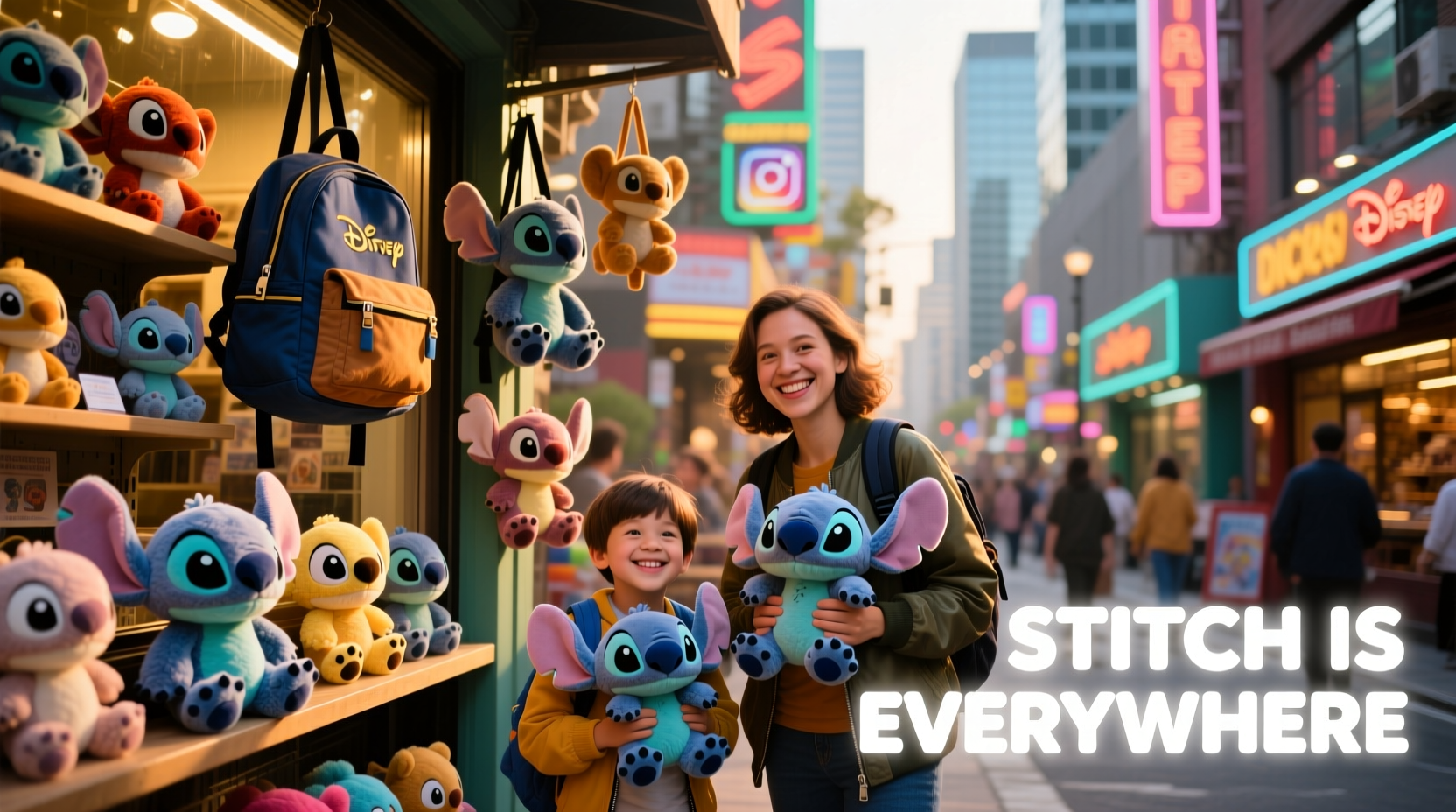
Unlike traditional Disney protagonists who embody idealized virtues—bravery, kindness, grace—Stitch is fundamentally flawed. Created as a genetic experiment designed for destruction, he struggles with impulse control, loneliness, and identity. His journey in *Lilo & Stitch* isn’t about becoming a hero through perfection, but about learning to belong despite his flaws. This narrative arc resonates deeply in today’s cultural climate, where authenticity and mental health awareness are prioritized over polished personas.
“Stitch represents the idea that you don’t have to be perfect to be loved,” says Dr. Naomi Reyes, a cultural psychologist specializing in media and identity.
“In a time when people are more open about anxiety, trauma, and self-acceptance, Stitch’s story feels less like fiction and more like a mirror.”
This emotional accessibility translates directly into consumer behavior. People don’t just buy Stitch plushies—they form attachments to them. Many owners assign names, personalities, and even backstories to their plushies, treating them as companions rather than toys.
Tip: When choosing a Stitch plush, consider size and texture based on intended use—smaller ones for portability, ultra-soft versions for sensory comfort.Generational Nostalgia Meets Digital Culture
While Mickey Mouse appeals to multi-generational recognition, Stitch holds a unique position as a bridge between millennial childhoods and Gen Z fandom. Released in 2002, *Lilo & Stitch* was one of the last hand-drawn animated films before the digital animation boom, giving it a nostalgic halo among millennials. At the same time, its themes of found family and nonconformity align perfectly with Gen Z values.
Social media has amplified this cross-generational appeal. Platforms like TikTok and Instagram are flooded with content featuring Stitch plushies in creative scenarios—travel diaries, mood check-ins, “day in the life” skits. Hashtags like #StitchPlushie and #MyStitch have billions of views collectively. Unlike classic characters often used in official branding, Stitch is being reclaimed by users as a personal avatar.
A 2023 survey by PopCulture Analytics found that 68% of Stitch plush owners are between 18 and 30 years old, and 74% reported purchasing their plushie for emotional support rather than decorative purposes.
From Toy to Trend: The Designer Collaborations Effect
The commercial transformation of Stitch began in earnest with luxury and streetwear collaborations. In 2021, Japanese designer Hiroshi Fujiwara released a limited-run Stitch figure under Fragment Design, selling out in minutes. Soon after, brands like Uniqlo, Coach, and even Supreme featured Stitch in capsule collections. These partnerships didn’t just boost visibility—they repositioned Stitch as a lifestyle icon, not just a children’s toy.
The scarcity model played a key role. Limited drops create urgency and exclusivity, turning plushies into collectibles. Resale prices for rare variants—like the translucent “Crystal Stitch” or the graffiti-style Keith Haring collaboration—often exceed $500.
| Stitch Plush Variant | Release Year | Retail Price | Avg. Resale Value |
|---|---|---|---|
| Classic 12\" Blue Stitch | 2002–present | $24.99 | $30–$50 |
| Uniqlo UT x Disney (Artist Series) | 2022 | $19.90 | $80–$120 |
| Coach x Disney Stitch Bag | 2023 | $495 | $700+ |
| Fragment Design Clear Stitch | 2021 | $120 | $600–$900 |
These figures illustrate how Stitch has transcended entertainment merchandising to enter the realm of fashion and investment-grade collectibles.
Mini Case Study: The Rise of “StitchTok”
Take the example of @lunarplushcare, a TikTok creator with over 420,000 followers. What began as a hobby—documenting her growing Stitch collection—evolved into a full-time content business. Her videos range from “How I organize my 80+ Stitch plushies” to “A day with my emotional support Stitch.” She credits the community aspect as the biggest draw.
“People DM me saying their Stitch got them through breakups, job loss, even PTSD episodes,” she shared in a recent interview. “It sounds silly to some, but these plushies are soft anchors in chaotic lives.”
Her account inspired dozens of similar creators, forming a niche subculture known informally as “StitchTok.” This organic, user-driven ecosystem operates independently of Disney’s marketing, proving that fan engagement can now outpace corporate promotion.
Why Classic Characters Can’t Keep Up
Classic Disney characters face an uphill battle in connecting with younger audiences on a personal level. Their stories, while timeless, often follow rigid moral frameworks and idealized worlds. They’re also heavily associated with childhood, making adult ownership feel infantilizing to some.
Stitch, by contrast, exists in a gray area. He’s chaotic, sarcastic, and emotionally complex—traits that feel more relatable than the unwavering optimism of, say, Tinker Bell or Snow White. Moreover, his design is minimalist and stylizable, lending itself well to reinterpretation across cultures and aesthetics.
Disney has noticed. Recent marketing efforts emphasize Stitch’s edgier side—promoting him in urban settings, with streetwear, and in multilingual campaigns targeting Asia and Latin America, where his alien identity paradoxically makes him more culturally neutral.
- Stitch requires no royal backstory or magical kingdom to be compelling.
- His silence (he speaks only a few words of English) makes him universally accessible.
- He’s gender-neutral and ageless, appealing across demographics.
How to Choose and Care for Your Stitch Plushie: A Checklist
Whether you’re a first-time buyer or expanding your collection, here’s a practical checklist to ensure your plushie remains a lasting companion:
- Determine your purpose: Emotional support, display, or resale investment?
- Check authenticity: Look for official Disney tags, holograms, and batch numbers.
- Choose fabric wisely: Short-pile fleece for durability, long-haired variants for sensory comfort.
- Avoid direct sunlight: Prolonged exposure fades the blue dye over time.
- Hand-wash only: Use cold water and mild detergent; air dry flat to preserve shape.
- Rotate display positions: Prevents stuffing compression and maintains form.
- Join online communities: Stay updated on releases, trades, and care tips.
Frequently Asked Questions
Is Stitch more popular than Mickey Mouse now?
Not in terms of global brand recognition, but in specific markets—especially among consumers aged 18–35—Stitch generates higher engagement, faster sell-outs, and stronger emotional attachment. In Japan and South Korea, Stitch-themed products consistently outsell Mickey-based items in youth-focused retail chains.
Are Stitch plushies good investments?
Limited editions from collaborations (e.g., Fragment, Uniqlo artist series) have proven resale value, often appreciating within months. Standard retail versions are not typically investment-grade, but curated collections can hold sentimental and community-driven worth.
Why do adults connect with plushies more now?
Modern psychology recognizes comfort objects as tools for emotional regulation. In high-stress environments, tactile comfort—like hugging a soft plushie—can reduce cortisol levels. Stitch, with his round shape and expressive eyes, triggers nurturing instincts, making him especially effective as a calming presence.
Conclusion: Stitch as a Cultural Mirror
The rise of Stitch plushies isn’t a fluke—it’s a reflection of changing emotional needs, digital community dynamics, and the redefinition of what characters mean in adulthood. While classic Disney icons represent aspiration and fantasy, Stitch embodies acceptance, resilience, and the beauty of being broken—and healing anyway.
As long as people seek connection in a fragmented world, Stitch will remain more than a plushie. He’s a silent companion, a cultural shorthand for vulnerability, and proof that sometimes, the most beloved heroes aren’t the ones who save kingdoms—but the ones who learn how to love.
💬 Do you have a Stitch plushie with a story? Share your experience, care routine, or favorite variant in the comments—your insight could help others find their own emotional anchor.








