
Sticky stool—often described as greasy, foul-smelling, or difficult to flush—is more than just a bathroom inconvenience. It can signal underlying digestive disturbances ranging from dietary imbalances to serious gastrointestinal conditions. While occasional changes in bowel consistency are normal, persistent stickiness may point to malabsorption, inflammation, or infection. Understanding the root causes, knowing how to respond, and recognizing red flags can help preserve long-term gut health.
What Makes Stool Sticky?
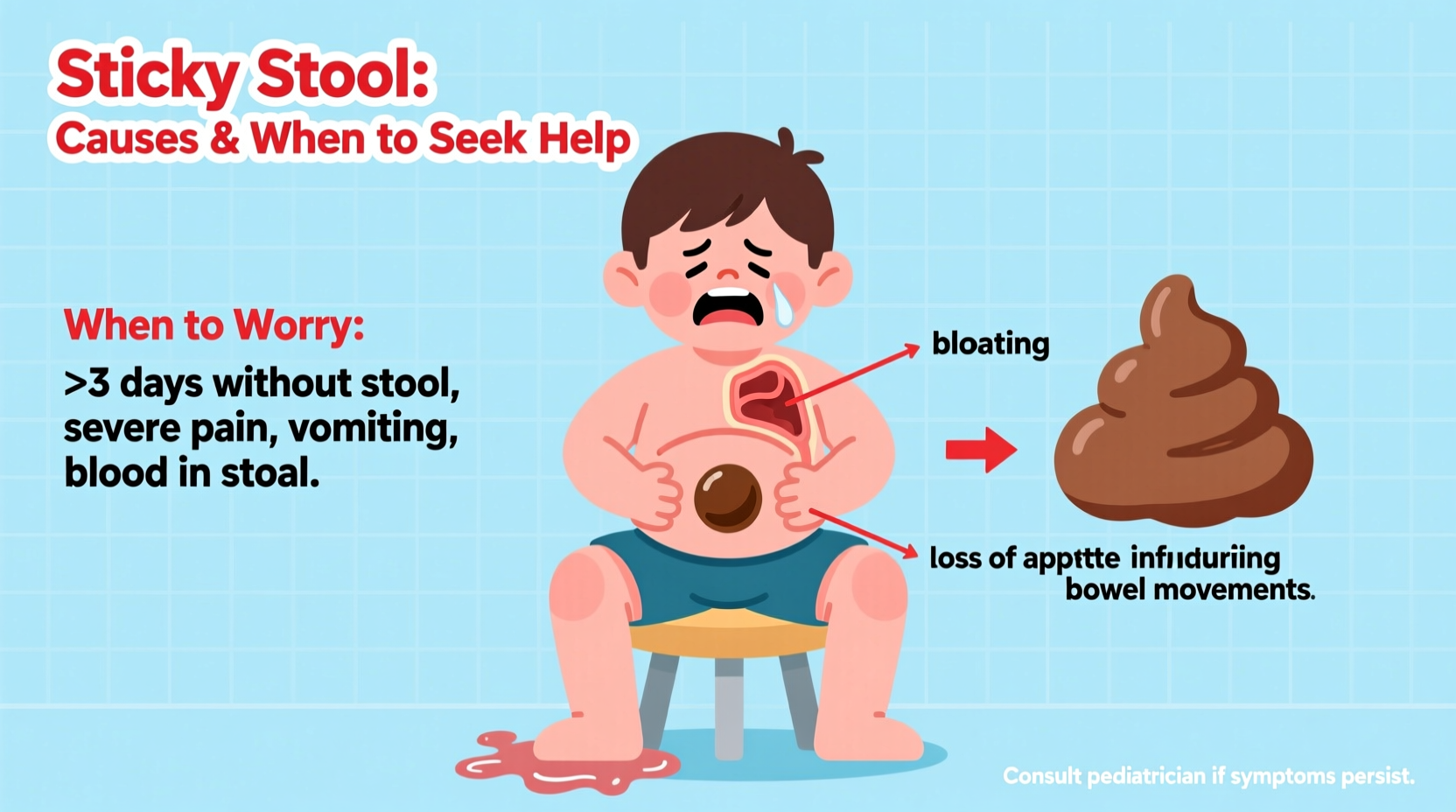
Normal stool is formed by water, bacteria, undigested fiber, and bile. When fat isn’t properly absorbed in the small intestine, excess lipids pass into the colon, creating a greasy, oily residue that clings to the toilet bowl. This condition, known as steatorrhea, is a hallmark of sticky stool. The texture may resemble peanut butter that doesn’t break apart easily, and it often floats or leaves a film on the water’s surface.
Beyond fat malabsorption, other contributors include high-fat diets, rapid intestinal transit, and bacterial overgrowth. The color and odor also provide diagnostic clues: pale, foul-smelling stools suggest pancreatic or liver issues, while dark, tarry stickiness may indicate upper gastrointestinal bleeding.
Tip: If your stool consistently sticks and floats, try reducing fried foods and dairy for a few days to see if symptoms improve.Common Causes of Sticky Stool
Several factors influence stool consistency. Below are the most frequent causes of sticky bowel movements:
- High-fat diet: Consuming large amounts of oils, fried foods, or fatty meats overwhelms the body’s ability to process fat efficiently.
- Lactose intolerance: Inability to digest lactose leads to fermentation in the gut, altering stool texture and increasing mucus production.
- Celiac disease: An autoimmune reaction to gluten damages the small intestine, impairing nutrient and fat absorption.
- Pancreatic insufficiency: Conditions like chronic pancreatitis or cystic fibrosis reduce enzyme output needed to break down fats.
- Bile acid malabsorption: After gallbladder removal or due to ileal dysfunction, insufficient bile disrupts fat emulsification.
- Infections: Parasites like Giardia or bacterial overgrowth (SIBO) interfere with digestion and cause sticky, foul stools.
- Inflammatory bowel disease (IBD): Crohn’s disease and ulcerative colitis can damage intestinal lining and increase mucus.
“Persistent greasy stools should never be ignored. They’re often the first sign of malabsorption, which, if untreated, can lead to nutritional deficiencies.” — Dr. Lena Torres, Gastroenterologist
Treatment Options Based on Cause
Effective treatment depends on identifying the underlying issue. Self-management may resolve mild cases, but chronic or severe symptoms require clinical evaluation.
Dietary Adjustments
For diet-related stickiness, modifying food intake often brings quick improvement:
- Reduce saturated fats and eliminate deep-fried foods.
- Avoid lactose-containing products if intolerance is suspected.
- Limit processed sugars and artificial sweeteners that feed harmful gut bacteria.
- Incorporate soluble fiber (oats, apples, carrots) to normalize stool consistency.
Supplements and Medications
In diagnosed conditions, targeted therapies are essential:
| Condition | Treatment | Notes |
|---|---|---|
| Pancreatic insufficiency | Pancreatic enzyme replacement (e.g., Creon) | Take with every meal containing fat |
| Celiac disease | Strict gluten-free diet | Lifelong adherence required |
| Bile acid malabsorption | Bile acid binders (e.g., cholestyramine) | Prescription only |
| SIBO | Antibiotics (e.g., rifaximin) | Often combined with low-FODMAP diet |
Natural Support
Probiotics, particularly strains like *Lactobacillus* and *Bifidobacterium*, may help rebalance gut flora after infections or antibiotic use. Digestive bitters before meals can stimulate natural enzyme and bile flow in mild cases of sluggish digestion.
When to Worry: Red Flags Requiring Medical Attention
Occasional sticky stool is usually benign. However, certain symptoms demand prompt evaluation:
- Stools that consistently float and leave an oily ring in the toilet
- Unintentional weight loss despite normal eating
- Chronic diarrhea lasting more than two weeks
- Abdominal pain, bloating, or cramping that interferes with daily life
- Fatigue, anemia, or signs of vitamin deficiency (e.g., brittle nails, night blindness)
- Visible blood, black tarry stools, or severe constipation alternating with diarrhea
These could indicate celiac disease, chronic pancreatitis, Crohn’s disease, or even pancreatic cancer. Early diagnosis improves outcomes significantly.
Tip: Keep a symptom diary tracking diet, bowel movements, and associated discomfort. This helps doctors identify patterns and potential triggers.Real-Life Example: Identifying Celiac Disease
Sarah, a 34-year-old teacher, noticed her stools had become increasingly sticky and foul-smelling over six months. She felt full quickly, experienced bloating after meals, and lost 10 pounds without trying. At first, she blamed stress and a busy schedule. But when fatigue and iron-deficiency anemia appeared, she consulted a gastroenterologist.
Blood tests revealed elevated anti-tissue transglutaminase antibodies, and a biopsy confirmed celiac disease. After adopting a strict gluten-free diet, her symptoms resolved within eight weeks. Follow-up testing showed intestinal healing and normalized nutrient absorption. Sarah’s case illustrates how sticky stool can be an early, overlooked clue to a systemic condition.
Step-by-Step Guide to Managing Sticky Stool
If you're experiencing this issue, follow these steps to determine the best course of action:
- Monitor symptoms: Track stool appearance, frequency, and associated symptoms (gas, pain, weight changes) for at least one week.
- Adjust diet: Eliminate obvious triggers—fried foods, dairy, gluten—for 5–7 days to assess improvement.
- Hydrate and balance fiber: Drink plenty of water and include moderate soluble fiber to firm up stools.
- Try over-the-counter support: Consider a probiotic or digestive enzyme supplement if meals feel heavy or indigestion is common.
- See a doctor if no improvement: Seek evaluation if symptoms persist beyond two weeks or worsen. Blood work, stool tests, or endoscopy may be needed.
Frequently Asked Questions
Is sticky stool a sign of diabetes?
Not directly. However, people with type 1 diabetes are at higher risk for celiac disease, which can cause sticky stools. Poorly controlled diabetes may also lead to gastroparesis or SIBO, indirectly affecting digestion.
Can dehydration cause sticky stool?
Dehydration typically leads to hard, dry stools rather than sticky ones. However, if dehydration coexists with fat malabsorption, the concentration of fats in reduced stool volume might appear stickier.
Are children more prone to sticky stool?
Yes, especially during dietary transitions or after viral infections. However, persistent greasy stools in children should prompt screening for cystic fibrosis or celiac disease, as both can present early with malabsorption.
Conclusion: Take Your Gut Health Seriously
Sticky stool is not something to dismiss as mere indigestion. While often linked to simple dietary choices, it can be a window into deeper digestive dysfunction. Addressing it early through mindful eating, lifestyle adjustments, and timely medical consultation can prevent complications like malnutrition or chronic inflammation. Listen to your body, act on persistent changes, and don’t hesitate to seek expert guidance when something feels off.
💬 Your digestive health matters. Share your experience or questions below—your story might help someone else recognize a warning sign they’ve been ignoring.








