
Training a parrot to step onto your hand is one of the most important foundational behaviors for any bird owner. Yet many struggle with resistance, fear, or biting—a natural defense mechanism when birds feel threatened. The key isn’t force or dominance, but patience, consistency, and understanding avian psychology. Parrots are intelligent, social creatures that respond best to trust-based training. This guide walks you through a proven, humane process to teach your parrot to step up willingly—without fear, stress, or aggression.
Understanding Why Parrots Bite
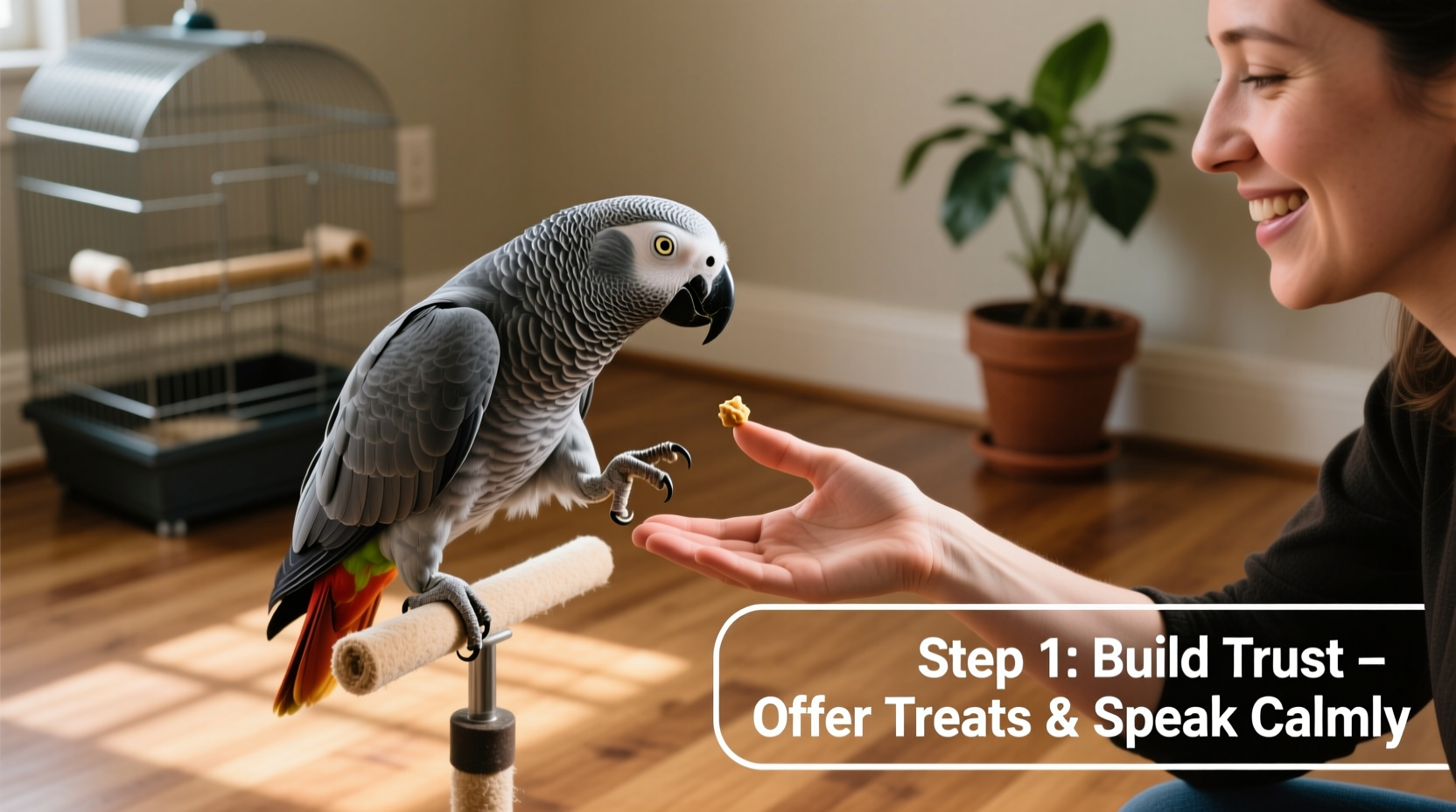
Biting in parrots is rarely about aggression in the human sense. It’s usually a reaction to fear, misunderstanding, or lack of trust. In the wild, birds avoid ground-level movement and unfamiliar hands because predators strike from below. When you extend your hand toward a perched bird, it can trigger an instinctive defensive response—even if your intentions are gentle.
Common triggers include:
- Sudden movements or loud noises during interaction
- Approaching from above, which mimics predator behavior
- Past negative experiences with handling
- Protecting their cage or favorite perch as “territory”
- Misreading body language cues from the owner
Recognizing these causes allows you to adjust your approach. Instead of viewing biting as defiance, see it as communication: your bird is saying, “I’m not ready,” or “I don’t understand what you want.”
Tip: Never punish a bite. Reacting with anger or withdrawal reinforces fear. Instead, calmly end the session and try again later with smaller steps.The Step-Up Training Process: A Timeline
Successful training unfolds over days or weeks, depending on your parrot’s temperament and history. Rushing leads to setbacks. Follow this structured timeline to build confidence gradually.
- Days 1–3: Observation and Bonding
Observe your parrot’s body language. Note signs of comfort (relaxed feathers, soft eyes) versus stress (flattened head feathers, pinned eyes, backing away). Spend time near the cage reading or talking softly. Offer treats through the bars without demanding interaction. - Days 4–7: Target Introduction
Use a chopstick or small wooden dowel as a target stick. Hold it near your bird and reward any glance or lean toward it with a treat. Goal: associate the stick with positive outcomes. - Weeks 2–3: Touch Desensitization
Gently touch the bird’s lower chest area (just above the legs) with your finger while offering a treat immediately after. Do this briefly, multiple times a day. This teaches your parrot that contact doesn’t lead to harm. - Week 4: Introduce the Step-Up Command
With your parrot calm, place your index and middle fingers horizontally in front of its chest, just below its belly. Say “Step up” in a clear, calm voice. Gently press upward under its feet—just enough to prompt a lift. Reward instantly when both feet are on your hand. - Weeks 5+: Generalization and Consistency
Practice stepping up from different perches, locations, and with different family members. Increase duration and distance slowly. Always end sessions positively.
Progress may stall—and that’s normal. Some birds take months to fully trust. The goal isn’t speed; it’s reliability and comfort.
Essential Techniques for Success
Effective training combines behavioral science with species-specific knowledge. These techniques increase your chances of success.
Use Positive Reinforcement
Reward desired behavior immediately. Use high-value treats like millet sprays, small pieces of fruit, or nuts—whatever your parrot truly enjoys. The reward must come within seconds of the correct action to create the association.
Master Body Language
Approach your parrot at eye level or slightly below. Avoid looming over the cage. Move slowly and predictably. Turn your palm sideways when presenting your hand—this looks less like a predator’s claw than a flat palm facing forward.
Choose the Right Time
Train when your bird is calm and alert—usually mid-morning or early evening. Avoid sessions right after sleep, during molting, or when the bird is hormonal (common in spring). A hungry bird is more motivated by treats, so schedule sessions before meals.
Keep Sessions Short
Five minutes, two to three times daily, is more effective than one long session. Birds have short attention spans. End on a success—even if it’s just making eye contact—to build confidence.
“Parrots learn through repetition and emotional safety. Force creates lifelong distrust. Patience builds partnership.” — Dr. Laurie Hess, Avian Veterinarian and Author of *Complete Guide to Pet Bird Care*
Do’s and Don’ts During Training
| Do | Don't |
|---|---|
| Use a consistent verbal cue like “Step up” every time | Yell, grab, or force the bird onto your hand |
| Offer treats immediately after compliance | Continue if the bird shows signs of fear (crouching, hissing) |
| Approach from the side, not above | Hold your hand too close for too long |
| Wear a thick glove initially if concerned about bites (but transition off as trust grows) | Punish or scold after a bite |
| Practice in low-distraction environments first | Expect immediate results |
Real Example: From Fearful to Confident
Milo, a 3-year-old green-cheeked conure, was rehomed after being kept in isolation for two years. His new owner, Sarah, found him aggressive and terrified of hands. He would lunge and bite when approached.
She began by sitting near his cage for 10 minutes twice daily, reading aloud. After a week, she started offering treats through the bars using tongs. By week three, Milo would step onto the tongs for a treat. She then replaced the tongs with her gloved hand, repeating the same motion. After five weeks, Milo stepped onto her bare hand voluntarily for the first time.
Today, he steps up on command, rides on her shoulder, and even allows nail trims. The transformation took patience—but no coercion. “I realized he wasn’t ‘bad,’” Sarah said. “He just didn’t know how to trust yet.”
Checklist: Preparing for Your First Step-Up Session
- ✅ Choose a quiet, familiar room with minimal distractions
- ✅ Have high-value treats ready and easily accessible
- ✅ Wear comfortable clothing (avoid dangling jewelry or loose sleeves)
- ✅ Ensure your parrot has not just eaten a full meal (slightly hungry = more motivated)
- ✅ Wash your hands to remove food or chemical scents
- ✅ Plan for a 3–5 minute session—no longer
- ✅ Observe your bird’s mood: proceed only if calm and alert
- ✅ Keep a towel nearby in case of emergency (but do not use unless absolutely necessary)
Troubleshooting Common Challenges
Even with careful planning, obstacles arise. Here’s how to handle them.
My parrot lunges instead of stepping up
This is defensive behavior. Back off and return to earlier stages—like target training or hand desensitization. A lunge means your bird feels cornered. Reduce proximity and rebuild trust.
He steps up once but refuses the next day
Consistency fluctuates. Birds have moods. Return to rewarding small interactions—eye contact, leaning toward you—before asking for the full step-up. Don’t assume yesterday’s progress equals today’s readiness.
She only steps up for one person
Birds often bond strongly with one individual. To generalize, have other household members repeat the training process with the same cues and rewards. Let the primary trainer be present at first to provide security.
He bites when I try to move after stepping up
This indicates fear of motion. Practice holding still for 2–3 seconds after the step-up, then reward. Gradually increase stillness time before moving. Always return the bird to a perch before releasing the command.
FAQ
How long does it take to train a parrot to step up?
It varies widely. Hand-raised birds may learn in a few days. Rescued or neglected birds can take several weeks or months. Focus on your bird’s comfort, not the calendar.
Should I use a target stick or go straight to hand training?
A target stick is highly recommended, especially for fearful birds. It creates a neutral bridge between object and hand, reducing pressure. Once your bird follows the stick reliably, you can pair it with your hand and eventually phase out the stick.
Is it okay to gently push under the bird’s belly to encourage stepping up?
Yes—but with caution. A light, upward pressure just behind the legs mimics how parent birds nudge chicks. It should be gentle and brief, never forceful. Pair it with the verbal cue and immediate reward. If the bird resists, stop and reassess.
Conclusion: Building a Relationship, One Step at a Time
Teaching your parrot to step onto your hand is about far more than convenience—it’s about building mutual respect and communication. Every successful step-up is a shared victory, reinforcing trust and deepening your bond. There will be setbacks. There will be days when progress seems invisible. But each calm interaction, each rewarded moment of courage, lays the foundation for a lifetime of companionship.
Remember: your parrot isn’t resisting you. It’s navigating a world it doesn’t fully understand. Your patience becomes its safety net. By following this methodical, empathetic approach, you’re not just training a behavior—you’re earning a relationship.
💬 Have a success story or challenge with step-up training? Share your experience in the comments—your insight could help another parrot owner find their way.








