
Walking with a stroller—whether carrying a baby, groceries, or gear—should be relaxing, not a battle of wills with your dog. Many dogs react unpredictably around strollers: lunging, barking, pulling, or becoming overly excited. These behaviors stem from curiosity, fear, or lack of exposure. The good news is that with structured training, patience, and consistency, any dog can learn to walk calmly beside a stroller. This guide breaks down the process into manageable steps, using positive reinforcement and gradual exposure to build confidence and obedience.
Why Dogs React Strongly to Strollers
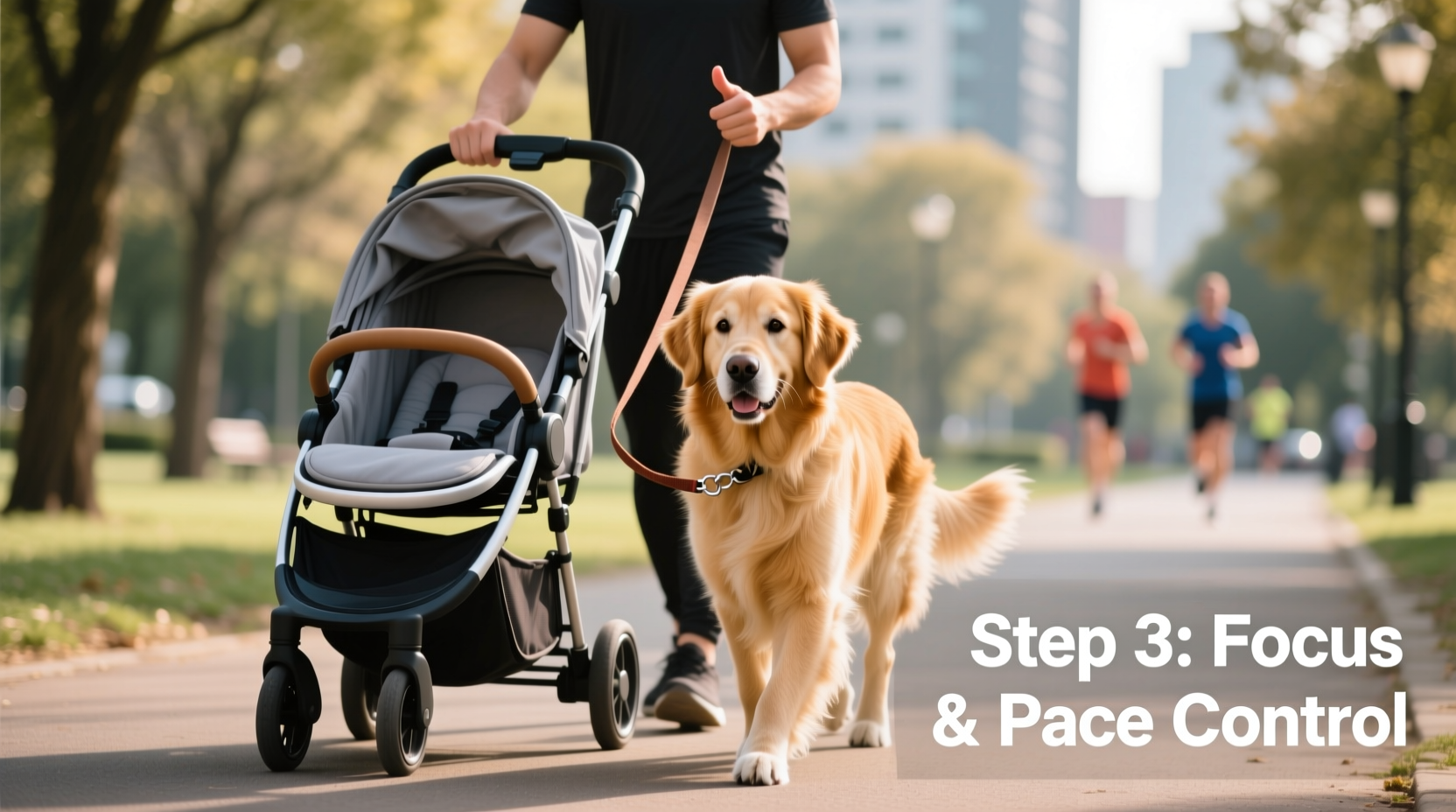
Dogs are naturally curious and reactive to moving objects, especially those that roll, make noise, or block their path. A stroller presents multiple stimuli: unusual shape, motion, sounds from wheels, and sometimes unfamiliar scents or voices. For some dogs, this triggers excitement; for others, it causes anxiety or defensive behavior. Without proper training, these reactions become habits. The goal isn’t suppression—it’s redirection. Teaching your dog that the stroller is part of routine life, not a threat or toy, transforms chaotic walks into calm, enjoyable experiences.
“Dogs don’t misbehave out of defiance—they respond based on what they’ve learned. Calm walking is a skill built through repetition and reward.” — Dr. Karen Becker, DVM & Canine Behavior Specialist
Essential Tools and Environment Setup
Before beginning training, gather the right tools and choose an appropriate environment. Success depends as much on preparation as on technique.
- Leash: Use a standard 4–6 foot leash. Avoid retractable leashes during training—they encourage pulling and reduce control.
- Harness: A front-clip harness gently discourages pulling by redirecting the dog’s movement when tension occurs.
- Treats: Small, soft, high-value treats (like boiled chicken or commercial training bites) keep motivation high.
- Stroller: Use the actual stroller you plan to walk with. Familiarity helps generalize the behavior.
- Quiet Training Area: Start in a low-distraction space like a driveway, quiet backyard, or empty parking lot.
Step-by-Step Training Plan
Training should progress gradually over several sessions. Rushing leads to setbacks. Each phase builds on the previous one, reinforcing calmness and attention.
- Phase 1: Introduce the Stroller at Rest (Day 1–2)
Place the stroller stationary in your yard or garage. Let your dog approach it voluntarily. Reward calm sniffing or disinterest with treats. If your dog barks or lunges, calmly redirect attention with a command like “look” or “sit,” then reward eye contact. Repeat until your dog remains relaxed near the stroller.
- Phase 2: Add Motion Without Walking Together (Day 3–4)
Push the stroller slowly while your dog watches from a distance (10–15 feet). Reward calm observation. Gradually decrease distance over multiple short sessions. Never force proximity—let your dog close the gap on their terms.
- Phase 3: Leashed Walking Beside the Stroller (Day 5–7)
Attach your dog to the leash and walk parallel to the stroller, keeping 3–5 feet between them. Have a helper push the stroller or use a flat surface to roll it slightly ahead. Reward your dog every few seconds for staying in position and looking at you. If they pull toward the stroller, stop walking and wait for slack in the leash before proceeding.
- Phase 4: Incorporate Commands and Focus Cues (Day 8–10)
Introduce verbal cues like ��steady” or “beside” when your dog walks calmly. Pair each cue with a treat and praise. Practice changing pace—slow down, speed up, pause—and reinforce your dog for matching your movement without reacting to the stroller.
- Phase 5: Real-World Practice (Day 11 onward)
Move to sidewalks or parks with light foot traffic. Begin with short walks (5–10 minutes) and gradually increase duration. Continue rewarding calm behavior. If your dog reacts, calmly turn and walk away, then re-approach once they’ve settled.
| Phase | Goal | Duration per Session | Frequency |
|---|---|---|---|
| 1: Stationary Exposure | Neutral or positive association with stroller | 5–10 minutes | 2x daily |
| 2: Controlled Movement | Remain calm as stroller moves nearby | 8–12 minutes | 2x daily |
| 3: Parallel Walking | Walk beside stroller without pulling | 10–15 minutes | 1–2x daily |
| 4: Command Integration | Respond to cues while near stroller | 10–20 minutes | 1x daily |
| 5: Outdoor Generalization | Maintain calm in real environments | 15–30 minutes | As needed |
Common Challenges and Solutions
Even with careful training, obstacles arise. Addressing them early prevents regression.
- Pulling Toward the Stroller: Stop walking immediately. Wait for your dog to turn back toward you or loosen the leash, then reward and continue. Consistency teaches that pulling doesn’t get them closer.
- Barking or Lunging: Increase distance from the stroller and resume training at a level where your dog stays under threshold. Use a cue like “quiet” only if paired with a reward for silence.
- Overexcitement When Seeing Any Stroller: Generalize training by practicing near different types—jogging strollers, double-seaters, etc.—to prevent fixation on one model.
- Lack of Focus: Use higher-value treats and shorter sessions. Break tasks into smaller steps and reward incremental progress.
Mini Case Study: Transforming Luna’s Stroller Reactions
Luna, a two-year-old Border Collie, would bark and lunge at strollers during neighborhood walks. Her owner, Sarah, avoided routes with families after her dog once startled a toddler. They began training in their driveway using a folded stroller. Over three days, Luna earned treats for simply sitting within five feet of the closed stroller. By day six, she walked calmly beside it as Sarah pushed it in slow circles. Within two weeks, they progressed to sidewalk walks. Sarah used the cue “focus” whenever Luna glanced at the stroller, redirecting her attention with a treat. After 21 days of consistent practice, Luna now walks past strollers without reaction. The key was patience and never overwhelming her—each success built trust and predictability.
Checklist: Key Actions for Successful Training
Use this checklist to track your progress and ensure no critical step is missed.
- ✅ Assess your dog’s baseline reaction to the stroller
- ✅ Gather necessary tools: leash, harness, treats, stroller
- ✅ Train basic obedience commands (sit, stay, come, heel)
- ✅ Introduce stroller at rest with positive reinforcement
- ✅ Progress to controlled movement in low-distraction areas
- ✅ Begin parallel walking with frequent rewards
- ✅ Integrate verbal cues for calm behavior
- ✅ Practice in increasingly complex environments
- ✅ Monitor body language for signs of stress or arousal
- ✅ Keep sessions short, positive, and consistent
Do’s and Don’ts When Training Around Strollers
| Do’s | Don’ts |
|---|---|
| Start training in a quiet, familiar space | Begin in a busy park or crowded street |
| Use high-value treats to maintain focus | Rely solely on verbal praise if motivation is low |
| Keep sessions under 15 minutes to avoid fatigue | Train for long periods that lead to frustration |
| End on a successful behavior | End after a reactive incident without recovery |
| Gradually increase difficulty | Jump to advanced stages too quickly |
FAQ: Common Questions About Stroller Training
How long does it take to train a dog to walk calmly beside a stroller?
Most dogs show improvement within 2–3 weeks of consistent, daily training. Full reliability in varied environments may take 4–6 weeks. Puppies and highly reactive dogs may require longer. Progress depends on frequency of practice, the dog’s temperament, and prior training experience.
Can older dogs learn this behavior?
Absolutely. While puppies absorb training quickly, adult and senior dogs are fully capable of learning new behaviors. Older dogs may take more time due to established habits, but their greater focus and lower energy can work in your favor. Use patience and adjust session length to accommodate physical limitations.
What if my dog is afraid of the stroller instead of reactive?
Fear-based responses require even slower desensitization. Let your dog observe from a greater distance. Pair the stroller’s presence with treats, toys, or mealtime. Never force interaction. Over time, as your dog associates the stroller with positive outcomes, fear diminishes. If anxiety persists, consult a certified canine behaviorist.
Conclusion: Building Confidence One Step at a Time
Training your dog to walk calmly beside a stroller is more than convenience—it’s about safety, communication, and mutual respect. Every small success strengthens your bond and expands the places you can go together. There will be setbacks, distractions, and moments of doubt. But with clear goals, consistent reinforcement, and realistic expectations, calm coexistence is achievable. Start today, celebrate progress, and remember: every dog can learn. Your peaceful walks are just steps away.
💬 Have a stroller training success story or challenge? Share your experience in the comments—your insights could help another dog owner find their stride.








