
Introducing a new toy to your dog might seem simple—just hand it over and let them go to town. But for many dogs, especially those who are shy, anxious, or simply unfamiliar with interactive play, a new object can be confusing or even intimidating. Done right, toy introduction builds confidence, strengthens your bond, and encourages healthy mental stimulation. Done poorly, it can lead to disinterest, fear, or destructive behavior. This guide walks you through a thoughtful, effective process to help your dog embrace new toys and engage in joyful, enriching play.
Why Proper Toy Introduction Matters
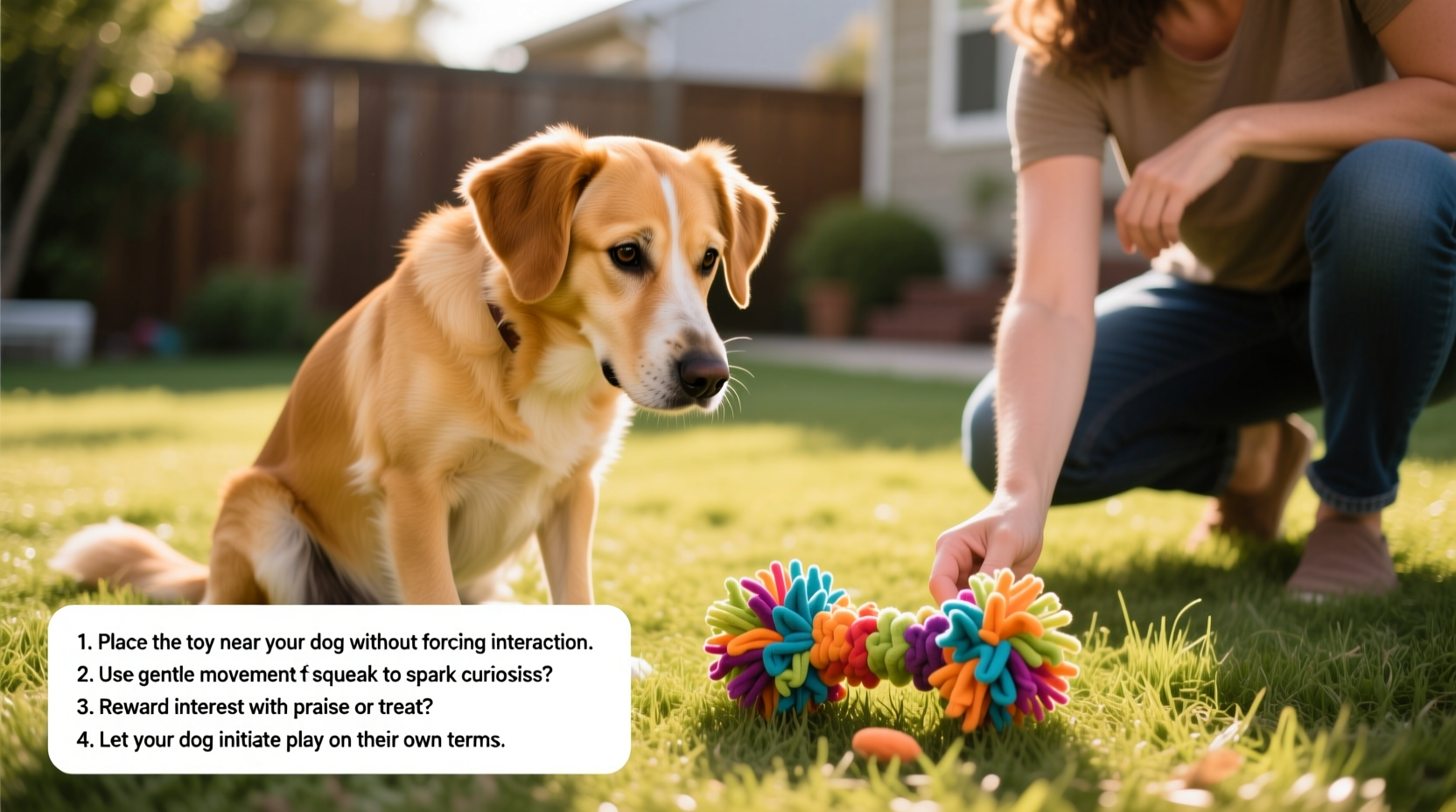
Dogs don’t instinctively know how to play with every type of toy. While some pups immediately pounce on squeaky plushies or tug ropes, others may freeze, ignore the item, or even react defensively. A dog’s response depends on temperament, past experiences, breed tendencies, and level of socialization. For example, herding breeds may prefer chasing or fetching, while terriers often enjoy shaking and “killing” motion-based toys.
Introducing toys gradually ensures your dog associates the object with positive outcomes. Rushing the process can create negative associations, especially if the toy makes sudden noises or behaves unpredictably. Taking time also allows you to observe what types of toys your dog truly enjoys, helping you make smarter choices in the future.
“Play is not just entertainment—it’s a critical part of canine learning and emotional regulation.” — Dr. Karen Becker, DVM, Integrative Veterinary Care Specialist
A Step-by-Step Timeline for Introducing a New Toy
Follow this structured 5-phase approach over several days to ensure your dog forms a positive connection with their new toy:
- Phase 1: Neutral Exposure (Day 1)
Place the toy near your dog’s resting area without drawing attention to it. Let them investigate at their own pace. Do not force interaction. If the toy has a squeaker, consider removing it temporarily to reduce startling sounds. - Phase 2: Scent Familiarization (Day 2)
Rub the toy with a treat or wipe it with a cloth used to clean their favorite chew bone. You can also sleep with the toy under your pillow overnight—your scent will make it more inviting. - Phase 3: Controlled Interaction (Day 3)
Bring the toy into a low-distraction environment. Sit nearby and gently roll or shake it. If your dog approaches, reward with praise or a small treat. Avoid overwhelming movements. - Phase 4: Play Modeling (Day 4–5)
Act like the toy is fascinating. Talk to it, “play fight” with it, or pretend to chew it (safely). Dogs learn through observation—your enthusiasm can be contagious. - Phase 5: Interactive Engagement (Day 6 onward)
Initiate gentle games like fetch, tug (with rules), or hide-and-seek using the toy. Always end sessions while your dog is still eager to continue.
Choosing the Right Toy for Your Dog’s Personality
Not all toys suit all dogs. Matching the toy to your dog’s energy level, size, and play style increases the chances of acceptance. Consider these factors:
- Chewers: Opt for durable rubber toys (e.g., Kong, West Paw).
- Fetch lovers: Use soft plush balls or flying discs made for canine jaws.
- Problem solvers: Puzzle toys that dispense treats stimulate mental engagement.
- Anxious dogs: Calming plush toys with heartbeat simulators can provide comfort.
| Dog Type | Recommended Toy | Toy to Avoid |
|---|---|---|
| Puppy | Soft rubber teething ring | Small parts that can be swallowed |
| Senior Dog | Low-impact plush with hidden treats | Loud squeakers or high-bounce balls |
| High-Energy Breed | Interactive puzzle or flirt pole | Static, non-moving plush |
| Shy Dog | Scented fabric square with your smell | Toys with unpredictable motions |
Common Mistakes That Hinder Toy Acceptance
Even well-meaning owners can unintentionally sabotage toy introduction. Watch out for these pitfalls:
- Overloading with options: Presenting too many toys at once overwhelms dogs and dilutes focus.
- Ignoring body language: Lip licking, turning away, or stiff posture signal discomfort.
- Using toys as distractions during stress: Forcing play when your dog is anxious reinforces avoidance.
- Letting toys become boring: Rotate toys weekly to maintain novelty and excitement.
Real Example: Helping Luna the Rescue Dog Embrace Play
Luna, a 3-year-old mixed breed rescue, arrived at her foster home with no interest in toys. She’d flinch at squeaky sounds and avoided plush animals. Her caregiver followed the phased introduction method. On day one, a soft rabbit-shaped toy was placed near her bed—no interaction. By day three, she sniffed it briefly. The caregiver rubbed peanut butter on the toy’s ear, sparking Luna’s first lick. Over the next week, the foster played “tug” with the toy using a spoon (avoiding direct contact), modeling fun. Two weeks in, Luna picked up the toy herself and carried it to her human—a milestone. Today, she plays fetch and even “nurses” the toy like a puppy, a sign of deep trust and comfort.
Checklist: How to Successfully Introduce a New Toy
Use this practical checklist to ensure nothing is missed:
- ✅ Assess your dog’s current toy preferences and energy level
- ✅ Select a toy appropriate for size, age, and chewing habits
- ✅ De-squeak or modify noisy features if needed
- ✅ Place toy in environment without pressure to interact
- ✓ Add familiar scents (your smell, treats)
- ✓ Model excitement and curiosity around the toy
- ✓ Reward any investigative behavior (sniffing, pawing)
- ✓ Gradually increase interaction through guided play
- ✓ Monitor body language for signs of stress or joy
- ✓ Rotate toys every 5–7 days to sustain interest
Frequently Asked Questions
What if my dog ignores the toy completely?
Give it time. Some dogs take days or even weeks to warm up. Try pairing the toy with high-value treats or using it during mealtime (e.g., stuffing a Kong with dinner). If disinterest persists, the toy may not match their play style—try a different type.
Is it okay to force play if my dog is reluctant?
No. Forcing interaction can create fear or resource guarding. Instead, focus on creating a safe, positive association. Let curiosity lead. If anxiety is severe, consult a certified dog behaviorist.
How many toys should I introduce at once?
Only one new toy at a time. This helps you track preferences and prevents sensory overload. Keep 2–3 other familiar toys available, but rotate them regularly.
Encouraging Lifelong Play Habits
Play isn’t just for puppies. Regular interactive play supports cognitive health, reduces destructive behaviors, and strengthens the human-dog bond. As your dog ages, adapt toys to their changing needs—softer materials for seniors, quieter sounds for sensitive ears. The goal isn’t just toy acceptance, but joyful, sustained engagement.
By approaching toy introduction with patience, insight, and consistency, you open a door to richer communication and deeper companionship. Every dog can learn to play—it’s up to us to speak their language.
💬 Have a success story with a once-toy-shy dog? Share your experience in the comments and inspire fellow pet parents to keep trying!








