Lace dog collars are more than accessories—they’re heirloom pieces that blend craftsmanship with affection. Often used for special occasions or as sentimental keepsakes, these delicate items require thoughtful care to maintain their beauty and structural integrity. Unlike standard collars made from nylon or leather, lace is vulnerable to fraying, discoloration, and moisture damage. Cleaning and preserving it improperly can lead to irreversible harm. This guide provides a detailed, safe approach to maintaining your pet’s lace collar, ensuring it remains soft, clean, and intact for years to come.
Understanding Lace Collar Materials and Construction
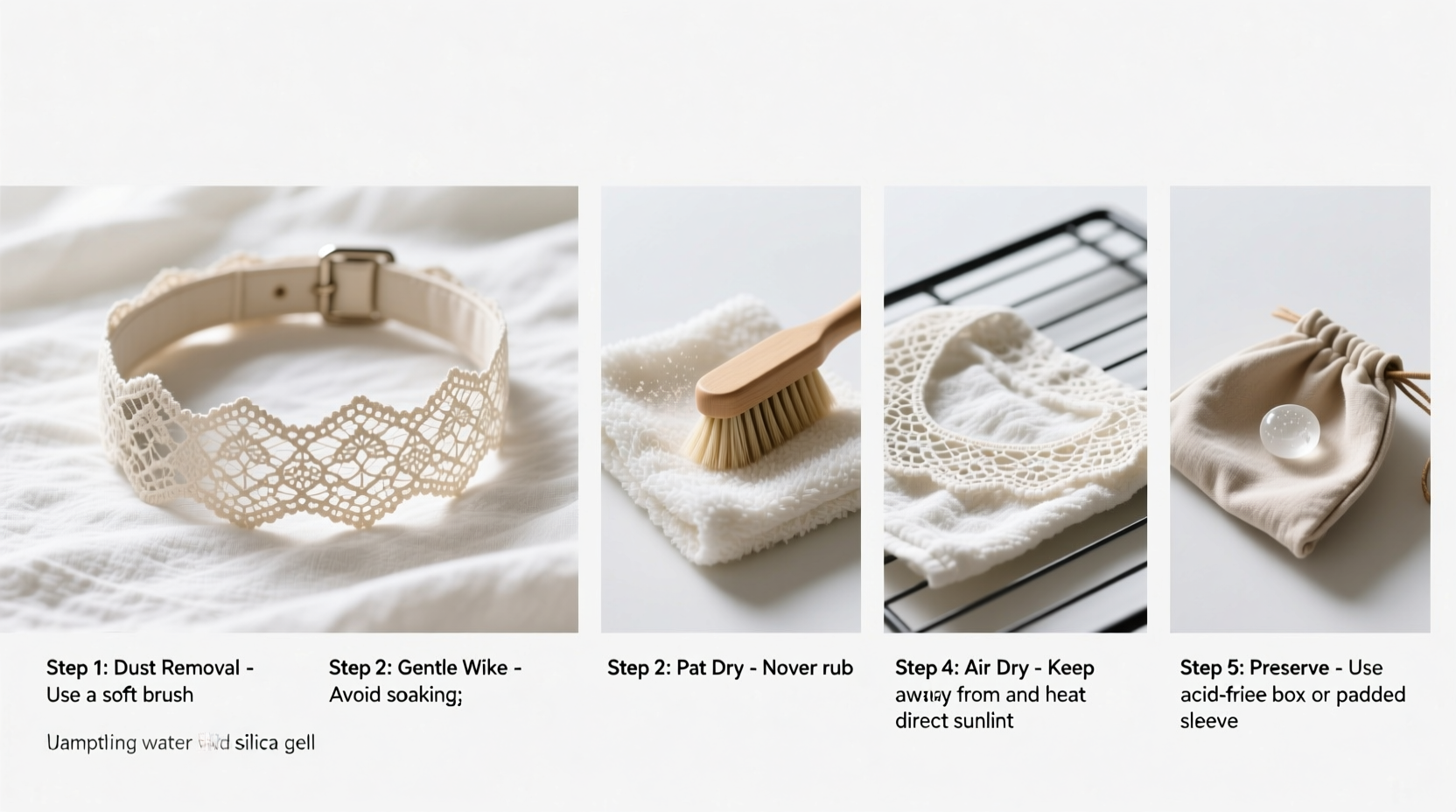
Lace collars are typically made from cotton, silk, or synthetic fibers like polyester, each requiring different handling. Cotton lace is breathable and relatively durable but prone to shrinking when exposed to heat. Silk lace is luxurious and lightweight but highly sensitive to water and friction. Synthetic lace resists moisture better but may degrade under prolonged sunlight exposure.
The construction also matters. Handmade lace often features intricate patterns such as Chantilly, Alençon, or crocheted motifs. These designs include fine threads and openwork that can snag easily. Many lace collars incorporate ribbon, elastic, or metal clasps, which must be considered during cleaning. Before any maintenance, inspect the collar for manufacturer labels indicating fiber content and care instructions.
Tip: Always test a small, inconspicuous area of the lace with water or cleaning solution before full treatment to check for colorfastness or fiber weakening.Step-by-Step Guide to Gentle Hand Cleaning
Cleaning a lace dog collar should never involve machine washing or aggressive scrubbing. The following method ensures thorough yet gentle cleansing while minimizing stress on fragile fibers.
- Prepare Your Workspace: Lay out a clean towel on a flat surface. Gather lukewarm distilled water, a mild pH-neutral detergent (such as Woolite or baby shampoo), a soft-bristled toothbrush, and a mesh laundry bag or clean pillowcase.
- Pre-Treat Stains: If visible soiling exists—especially around the buckle or inner lining—dampen a cotton swab with diluted detergent (one part detergent to ten parts water) and gently dab the affected area. Avoid rubbing.
- Create a Soaking Bath: Fill a basin with enough lukewarm distilled water to fully submerge the collar. Add one teaspoon of detergent per cup of water. Stir gently to mix.
- Soak the Collar: Place the collar in the solution. If it has metal components, enclose it in a mesh bag first to prevent tarnishing. Let it soak for no more than 10–15 minutes.
- Rinse Thoroughly: Drain the soapy water and refill the basin with clean, cool distilled water. Rinse the collar by gently pressing it underwater without twisting or wringing. Repeat until all soap residue is gone.
- Remove Excess Water: Lay the collar flat on a dry towel. Roll the towel gently to absorb moisture. Never twist or squeeze the lace.
- Air-Dry Flat: Unroll the towel and lay the collar on a fresh, dry towel in its natural shape. Reshape any ruffled edges carefully. Keep it away from direct sunlight, radiators, or fans.
“Lace is only as strong as its weakest thread. A single harsh wash cycle can unravel hours of craftsmanship.” — Miriam Chen, Textile Conservator at the National Pet Heritage Archive
Drying and Reshaping Best Practices
Improper drying is the leading cause of lace distortion and fiber breakdown. Air-drying flat is non-negotiable. Hang-drying stretches delicate weaves and misaligns patterns. For collars with rigid elements like boning or stiffened edging, use small pins to secure the shape on a padded surface covered with muslin cloth.
If the lace has lost some crispness, consider light starching. Mix one tablespoon of cornstarch with two cups of boiled and cooled water. Lightly mist the solution over the lace using a clean spray bottle, then reshape and air-dry. This method restores body without brittleness when done sparingly.
| Fiber Type | Drying Time | Reshaping Tips |
|---|---|---|
| Cotton Lace | 4–6 hours | Pin edges lightly; avoid over-stretching |
| Silk Lace | 6–8 hours | Use silk-safe pins; keep tension minimal |
| Synthetic Lace | 3–5 hours | Shape by hand; resists pinning but dries quickly |
Long-Term Preservation and Storage Solutions
Once cleaned and dried, proper storage prevents yellowing, dust accumulation, and physical damage. Exposure to light, humidity, and pests poses ongoing risks.
- Store the collar in an acid-free tissue paper-lined box, ideally within a breathable cotton pouch.
- Keep it in a dark, climate-controlled space—avoid attics, basements, or near windows.
- Include a silica gel packet to absorb ambient moisture, replacing it every three months.
- Rotate inspection every six weeks to detect early signs of mold or insect activity.
Mini Case Study: Preserving a Heirloom Collar
Sophie, a poodle owner from Vermont, inherited a hand-crocheted silk lace collar from her grandmother, originally worn in the 1950s. After decades in a cedar chest, the lace had yellowed and the clasp was corroded. She avoided washing it immediately, instead consulting a textile conservator. Following a gentle enzyme-based rinse and professional reshaping, the collar was restored. Now stored in a UV-protected display box with controlled humidity, it’s worn only once a year during family reunions. Her experience underscores that patience and precision matter more than frequency when caring for vintage pieces.
Essential Do’s and Don’ts for Lace Care
| Action | Do | Don't |
|---|---|---|
| Cleaning Method | Hand-wash with mild detergent | Machine wash or dry clean aggressively |
| Drying | Flat on clean towel, away from sun | Hang or use a dryer |
| Storage | In acid-free box with silica gel | In plastic or damp environment |
| Handling | Wear gloves if preserving long-term | Touch with oily or lotion-coated hands |
FAQ
Can I use vinegar to clean a lace dog collar?
Vinegar is too acidic for most lace fibers and may weaken protein-based threads like silk. It can also affect dye stability. Stick to pH-neutral detergents unless advised otherwise by a textile expert.
How often should I clean a lace collar?
Only when visibly soiled or after extended wear. Over-cleaning accelerates wear. For ceremonial collars worn occasionally, a gentle refresh every 6–12 months is sufficient.
Is it safe to iron lace collars?
Only with extreme caution. Use the lowest heat setting, place a pressing cloth (like muslin) between the iron and lace, and never apply direct steam. Better alternatives include light steaming from a distance or reshaping while damp.
Checklist: Safe Lace Collar Maintenance Routine
- ✔ Inspect for stains, snags, or hardware damage
- ✔ Test cleaning solution on a hidden area
- ✔ Hand-soak in lukewarm, soapy distilled water
- ✔ Rinse thoroughly with cool water
- ✔ Press dry with a clean towel (no wringing)
- ✔ Reshape and air-dry flat in shaded area
- ✔ Store in acid-free container with moisture control
- ✔ Inspect every 6 weeks for preservation needs
Conclusion
Maintaining a delicate lace dog collar is an act of reverence—for the artistry involved, the memories attached, and the bond between pet and owner. With careful cleaning, mindful drying, and intelligent storage, these fragile treasures can endure across generations. Whether you own a vintage piece or a modern handmade design, treating it with the attention it deserves ensures both beauty and longevity.
💬 Have a lace collar you’ve preserved successfully? Share your story or tip in the comments—your experience could help others honor their pet’s most elegant accessory.








