
Rabbits are intelligent, social animals capable of remarkable behaviors—including using a litter box. While they may not be as instinctively tidy as cats, with patience and consistency, most rabbits can be successfully potty trained in just a few weeks. The key is understanding their natural instincts, setting up an environment that supports good habits, and reinforcing desired behavior without punishment. This guide walks you through every stage of the process, from selecting the right supplies to troubleshooting common setbacks—all while minimizing mess and maximizing success.
Understanding Rabbit Behavior and Bathroom Habits
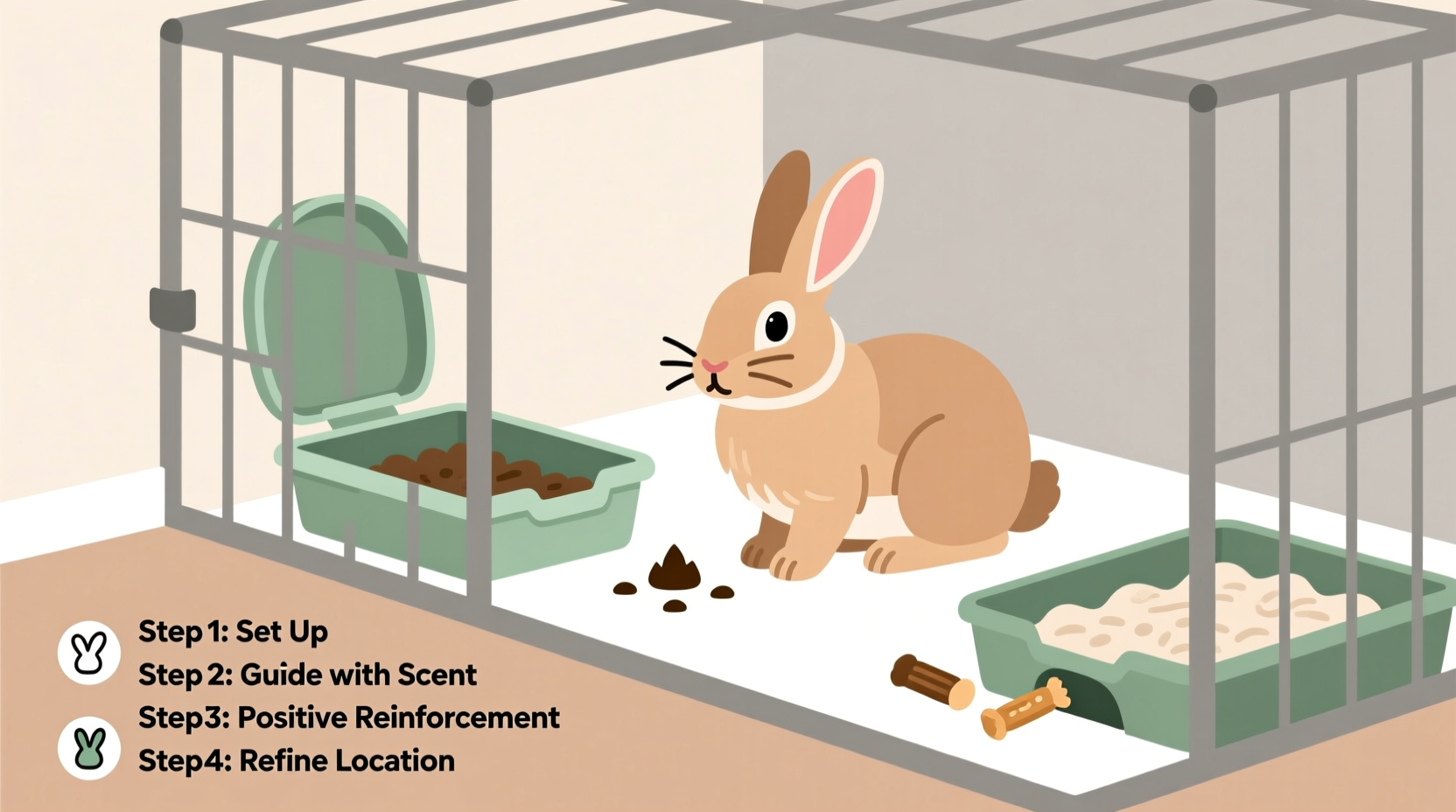
Rabbits naturally prefer to use one or two specific spots for elimination. In the wild, they designate areas away from their feeding and nesting zones to keep their living space clean. This instinct makes them excellent candidates for litter training. Unlike dogs or cats, rabbits don’t need to go outside; they eliminate frequently throughout the day, often while eating or resting.
Their urine contains calcium carbonate, which can form a chalky residue if not cleaned promptly. Feces are typically dry and round, making them easy to manage when contained. However, untrained rabbits may scatter droppings across floors or urinate on carpets, baseboards, or furniture—especially during territorial marking.
Neutering or spaying significantly improves trainability. Unaltered rabbits are more prone to spraying urine to mark territory, particularly around six months of age when sexual maturity begins. According to the House Rabbit Society, over 90% of neutered/spayed rabbits show improved litter habits within weeks of surgery.
“Rabbits are fastidious animals by nature. When given the right setup and positive reinforcement, they’ll choose the litter box nearly every time.” — Dr. Lauren Novak, DVM, Exotic Pet Specialist
Setting Up the Ideal Potty Environment
The foundation of successful potty training lies in proper setup. A poorly placed or undersized litter box will discourage use, no matter how consistent your training.
Choosing the Right Litter Box
Select a box large enough for your rabbit to fit comfortably while turning around. For medium-sized breeds like Holland Lops or Mini Rex, a standard cat litter box works well. Larger rabbits may require storage bins with low-cut sides for easy access.
Avoid covered boxes—they trap ammonia fumes and make rabbits feel trapped. Open-top boxes allow visibility and quick escape, which aligns with prey animal psychology.
Litter and Bedding Materials
Not all litters are safe for rabbits. Avoid clumping clay, silica dust, or scented varieties, which can cause respiratory issues or gastrointestinal blockages if ingested during grooming.
Tip: Use paper-based or pelleted wood litter (like Yesterday’s News) as a safe, absorbent base. Layer hay on top to encourage both eating and pooping in the same spot.Add a layer of hay on top of the litter—it entices your rabbit to spend time in the box, increasing the likelihood of elimination there. Place a mat under the box to catch stray droppings and contain spills.
Strategic Placement
Place litter boxes where your rabbit naturally eliminates—often corners, behind furniture, or near sleeping areas. If your rabbit roams freely, install multiple boxes in high-traffic zones. For bonded pairs, provide at least two boxes per room to prevent competition.
| Do’s | Don’ts |
|---|---|
| Use large, open litter boxes | Use small or covered boxes |
| Line with paper-based litter + hay | Use clay, clumping, or scented litter |
| Place boxes in quiet corners | Put boxes in noisy or high-traffic entryways |
| Secure boxes against walls | Leave boxes loose or unstable |
| Add a waterproof liner underneath | Allow direct contact with carpet or hardwood |
Step-by-Step Training Process
Potty training a rabbit isn’t about teaching new behavior but guiding existing instincts into designated areas. Follow this timeline for best results:
- Day 1–3: Observation Phase
Let your rabbit explore their space under supervision. Note where they consistently pee or drop poop. Mark these zones mentally or with tape. - Day 4: Introduce the Litter Box
Place a properly sized box in each elimination zone. Fill it with safe litter and top with fresh hay. Gently place your rabbit inside several times daily, especially after meals or naps. - Day 5–10: Reinforce Positive Use
Whenever your rabbit uses the box, offer a small treat (e.g., a pea or parsley leaf) and soft praise like “good job.” Never reward after the fact—timing is critical. - Week 2–3: Expand Freedom Gradually
If your rabbit uses the box reliably in one room, allow supervised access to another area. Add a second box there. Confine your rabbit when unsupervised to prevent accidents that reinforce bad habits. - Week 4+: Refine and Maintain
Clean boxes daily by scooping solids and replacing wet spots. Do a full change weekly. Over time, reduce boxes only if your rabbit consistently seeks them out.
Consistency is more important than speed. Some rabbits grasp the routine in a week; others take six weeks. Avoid scolding or rubbing a rabbit’s nose in urine—it creates fear, not learning.
Troubleshooting Common Challenges
Even with ideal conditions, setbacks occur. Here’s how to address frequent issues:
Urinating Outside the Box
This often happens when the box is too small, dirty, or located in a high-traffic area. Rabbits avoid soiled spaces. Clean the box daily and consider adding a second one nearby. If your rabbit is spraying vertically, they may be marking territory—spaying/neutering usually resolves this.
Refusing to Enter the Box
Some rabbits fear deep sides or slippery surfaces. Try cutting down one side of a plastic bin for easier access. Place a non-slip mat or towel inside. Adding more hay on top can also increase comfort.
Throwing Litter Out
Rabbits dig and kick as part of natural foraging behavior. Use a corner box wedged tightly into the wall to minimize scatter. Place a rubber mat around the perimeter to catch debris.
Dropping Poop While Roaming
It’s normal for rabbits to leave a few droppings as they move—this is called \"scatter pooping.\" Most owners accept a few strays as part of rabbit ownership. If excessive, ensure your rabbit is getting enough fiber; soft or misshapen pellets can indicate dietary imbalance.
Tip: Clean accident spots with enzyme-based cleaners (like Nature's Miracle) to remove odors completely. Vinegar and water work in a pinch, but avoid ammonia-based products—they smell like urine to rabbits and attract repeat offenses.Mini Case Study: Training a Rescued Rabbit
Milo, a 1-year-old mixed breed rabbit, was adopted from a shelter with no prior litter training. His new owner, Sarah, followed a structured approach:
- She confined Milo to a 6x8 ft exercise pen with one litter box in the back corner.
- She observed that he consistently peed on the left side, so she shifted the box slightly to match his preference.
- Each time Milo used the box, she gave him a tiny piece of apple and verbal praise.
- After five days, he began running to the box after meals.
- By week three, she expanded his space to the living room, adding a second box near the sofa.
Sarah noted that patience and observation were crucial. “I stopped trying to force him into the box and instead let him show me where he wanted to go. Once I moved the box to his preferred spot, everything changed.”
Within four weeks, Milo was 95% reliable, with only occasional droppings near his favorite chew toy. Today, he has free roam of the apartment and uses either of two litter boxes without prompting.
Essential Checklist for Success
Follow this checklist to ensure you’re covering all bases:
- ✅ Spay or neuter your rabbit (if not already done)
- ✅ Choose a large, open litter box with low entry
- ✅ Use rabbit-safe, non-clumping, dust-free litter
- ✅ Top the litter with fresh hay to encourage use
- ✅ Place boxes in observed elimination zones
- ✅ Scoop waste daily and replace litter weekly
- ✅ Reward immediately after correct use
- ✅ Clean accidents with enzyme cleaner—never ammonia
- ✅ Gradually expand territory as reliability improves
- ✅ Be patient—training takes 2–6 weeks on average
Frequently Asked Questions
Can older rabbits be potty trained?
Yes. Age doesn’t hinder trainability. Older rabbits may take longer due to established habits, but they respond well to consistency and positive reinforcement. Start with confinement and gradual expansion, just like with younger rabbits.
How many litter boxes do I need?
A minimum of one per room is recommended. High-activity areas like living rooms may benefit from two. Bonded pairs should have at least two boxes to prevent dominance-related avoidance. Always place boxes in corners or against walls—rabbits feel safer with a solid back.
My rabbit eats the litter—is that dangerous?
It depends on the type. Paper-based or compressed wood pellets are generally safe if ingested in small amounts. However, clay, clumping, or chemically treated litters can cause life-threatening blockages. If your rabbit is consuming large quantities, increase hay availability—this often reduces litter chewing caused by boredom or dietary deficiency.
Final Thoughts and Call to Action
Potty training your rabbit isn’t about perfection—it’s about progress. With the right setup, consistent routines, and a deep understanding of rabbit psychology, you can enjoy a clean, harmonious home where your pet feels safe and respected. The effort pays off in reduced cleaning time, better health, and a stronger bond between you and your companion.
Remember, every rabbit is different. Celebrate small wins, stay calm during setbacks, and trust the process. Once trained, many rabbits become so reliable they’ll hop to their box when they feel the urge—some even wait politely if it’s occupied!
🚀 Ready to start training? Pick up a litter box today, observe your rabbit’s habits, and begin shaping their behavior with kindness and consistency. Share your journey in the comments—we’d love to hear your story and help others learn from your experience!








