Choosing the right food and water bowls for your dog involves more than picking a cute design or durable material. The size and height of the bowl significantly impact your dog’s eating posture, digestion, and long-term joint health. A bowl that’s too low can strain your dog’s neck and spine; one that’s too small may lead to spillage or discomfort during meals. This guide walks you through precise, practical steps to measure your dog correctly—ensuring every meal is as comfortable and efficient as possible.
Why Bowl Height and Size Matter
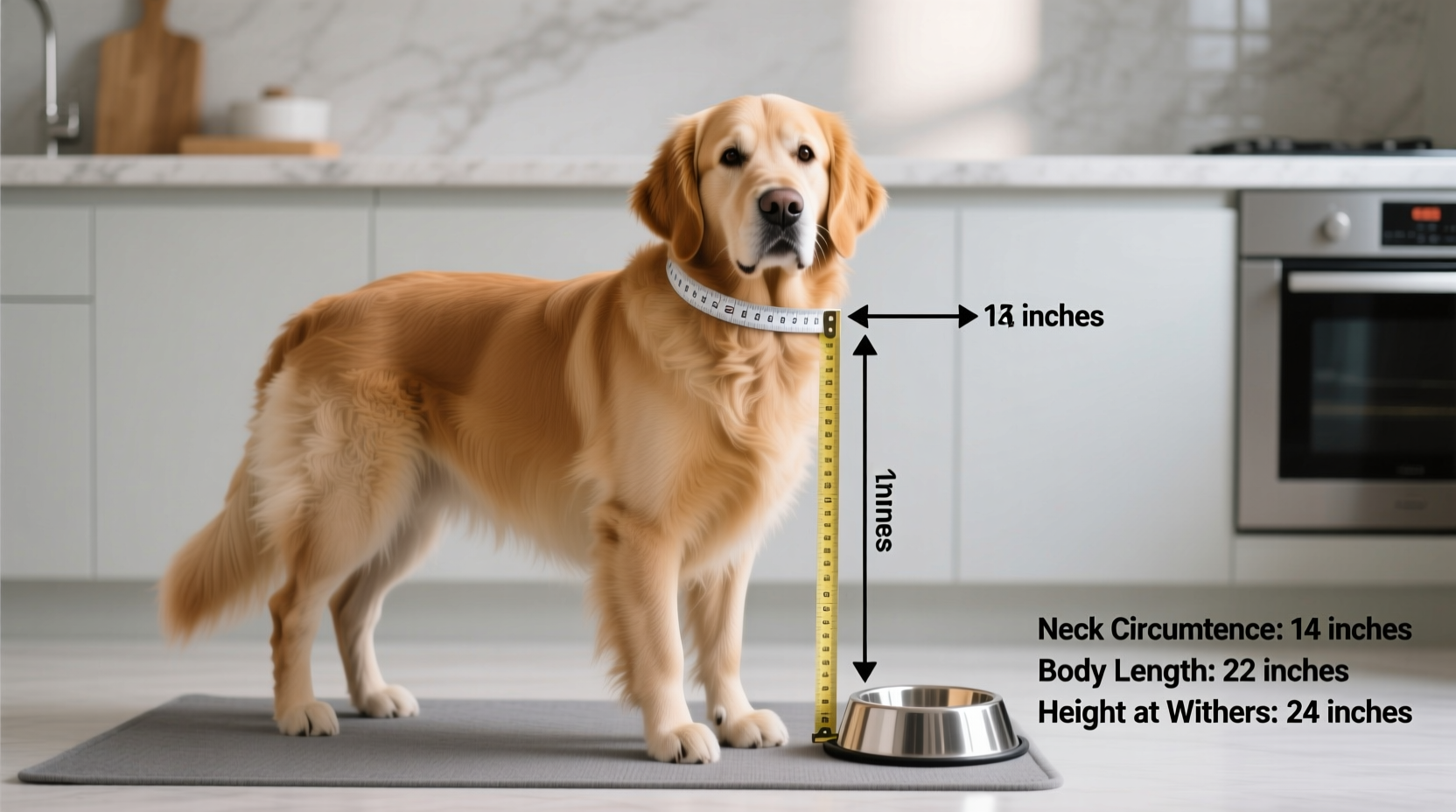
Dogs are not designed to eat with their heads lowered excessively. When a dog eats from a bowl placed on the floor, especially if they’re large or tall, they must bend down sharply. Over time, this posture can contribute to spinal stress, shoulder strain, and even digestive issues due to swallowing air while eating in an awkward position.
The ideal bowl height aligns with your dog’s chest or elbow level when standing, allowing them to eat with a neutral spine. Similarly, the bowl’s capacity should match your dog’s typical portion size without being so large it encourages rapid eating or so small it requires constant refilling.
“Eating posture affects everything from digestion to musculoskeletal health. A properly elevated bowl reduces strain and supports better swallowing mechanics.” — Dr. Laura Simmons, Veterinary Rehabilitation Specialist
Step-by-Step Guide to Measuring Your Dog
Follow these steps to determine the correct bowl height and size for your dog. Use a flexible measuring tape, a notebook, and a calm moment when your dog is standing naturally on a flat surface.
- Measure From Floor to Elbow
Place your dog on a hard, level floor. Measure vertically from the ground to the top of their front elbow. This is the baseline for bowl height. For most dogs, the ideal elevation is between 60% and 100% of this measurement, depending on breed and build. - Adjust for Breed and Posture
Large and deep-chested breeds (like Great Danes or German Shepherds) benefit from higher elevations—closer to 90–100% of elbow height—to prevent bloat risk and improve posture. Smaller breeds (like Dachshunds or Corgis) often do well with lower or floor-level bowls unless they have back issues. - Determine Ideal Bowl Height
Multiply the elbow-to-floor measurement by 0.6 for moderate elevation or 0.9 for full elevation. For example, if your dog’s elbow is 14 inches from the floor:- Moderate height: 14 × 0.6 = 8.4 inches
- Full height: 14 × 0.9 = 12.6 inches
- Assess Food Volume Needs
Weigh your dog’s usual meal or check feeding guidelines on their food packaging. Convert the weight to volume using standard conversions (1 cup ≈ 8 oz ≈ 240 ml). Add 25% extra capacity to prevent overflow during enthusiastic eating. - Select Bowl Diameter
The bowl should be wide enough for your dog’s muzzle to fit comfortably without whisker fatigue. As a rule:- Small dogs (under 20 lbs): 5–7 inch diameter
- Medium dogs (20–50 lbs): 7–9 inch diameter
- Large dogs (50+ lbs): 9–12 inch diameter
Bowl Type and Material Considerations
Even with accurate measurements, the wrong bowl material or shape can undermine comfort. Here’s a comparison of common options:
| Material | Pros | Cons | Best For |
|---|---|---|---|
| Stainless Steel | Durable, easy to clean, non-porous | Can be noisy, may tip over | All dogs, especially those with allergies |
| Ceramic | Heavy, stable, aesthetically pleasing | Breakable, porous if unglazed | Small to medium dogs with calm eating habits |
| Plastic | Affordable, lightweight | Scratches easily, harbors bacteria, may cause chin acne | Not recommended for long-term use |
| Silicone (collapsible) | Portable, flexible | May flip during eating, harder to stabilize | Travel or outdoor use only |
For elevated feeders, choose models with non-slip bases and adjustable legs. Some allow independent adjustment for food and water bowls, which is useful if your dog drinks more than they eat.
Real-Life Example: Measuring Bella the Labrador
Bella is a 3-year-old female Labrador Retriever weighing 68 pounds. Her owner noticed she often hunched forward while eating, sometimes gulping loudly. Concerned about potential bloat risk and posture strain, they decided to reassess her feeding setup.
Using a measuring tape, they found Bella’s elbow height was 16 inches. Applying the 90% rule for large breeds: 16 × 0.9 = 14.4 inches. They purchased an adjustable stainless steel feeder set at 14 inches high.
They also measured her daily kibble portion—3 cups—and chose a 4-cup capacity bowl with a 9-inch diameter to accommodate her broad muzzle. Within days, Bella ate more slowly, stood straighter, and showed less post-meal bloating. Her vet later confirmed improved digestive comfort during a check-up.
Checklist: How to Choose the Perfect Bowl Setup
- ✅ Measure your dog’s elbow-to-floor height
- ✅ Calculate ideal bowl height (60–100% of elbow height)
- ✅ Determine food and water volume per meal
- ✅ Select bowl diameter based on muzzle size
- ✅ Choose non-toxic, durable materials (preferably stainless steel or ceramic)
- ✅ Opt for non-slip or weighted base to prevent sliding
- ✅ Test the setup and observe your dog’s posture and eating speed
- ✅ Adjust height or size if needed after a trial period
Frequently Asked Questions
Can an elevated bowl prevent bloat?
Elevated bowls were once widely recommended to reduce bloat (gastric dilatation-volvulus) in large dogs. However, recent studies show mixed results. While proper height improves posture and may reduce air swallowing, it does not eliminate bloat risk. Always consult your vet about preventive strategies, including slow-feed bowls, multiple small meals, and avoiding exercise around mealtimes.
How often should I re-measure my dog for bowl size?
Puppies grow rapidly and should be re-measured every 4–6 weeks until they reach adult size. Adult dogs typically maintain consistent dimensions, but re-evaluate if there are significant weight changes, joint issues, or signs of discomfort while eating. Senior dogs may benefit from slightly higher bowls to ease arthritis-related stiffness.
Are tilted or slow-feed bowls worth considering?
Tilted bowls promote a more natural head angle and can aid digestion. Slow-feed bowls, with internal ridges or mazes, help dogs who eat too quickly. These designs are especially helpful for dogs prone to vomiting or choking. Combine them with proper height for maximum benefit.
Final Recommendations and Next Steps
Measuring your dog for the right bowl isn’t just about convenience—it’s a small act of care with lasting health implications. Proper height supports spinal alignment, reduces strain on joints, and promotes healthier digestion. The right size prevents waste, mess, and eating-related stress.
Take the time today to measure your dog accurately. Use the checklist, refer to the table, and observe how they interact with their new setup. Small adjustments can lead to big improvements in comfort and well-being.
💬 Your dog deserves a mealtime that supports their health—not compromises it. Try the steps in this guide, then share your experience in the comments. Did your dog eat slower? Stand taller? Let others learn from your journey.








