
Fleas are more than just a nuisance—they can cause severe discomfort, allergic reactions, and even transmit diseases to your dog. While modern spot-on treatments and oral medications dominate the market, flea dipping remains a fast-acting and highly effective method for eliminating active infestations. When done correctly, flea dipping can provide immediate relief and help break the flea life cycle. However, improper use of dips can lead to skin irritation, chemical toxicity, or incomplete treatment. This guide walks you through every stage of safely administering a flea dip at home, ensuring both effectiveness and your dog’s well-being.
Understanding Flea Dips: How They Work
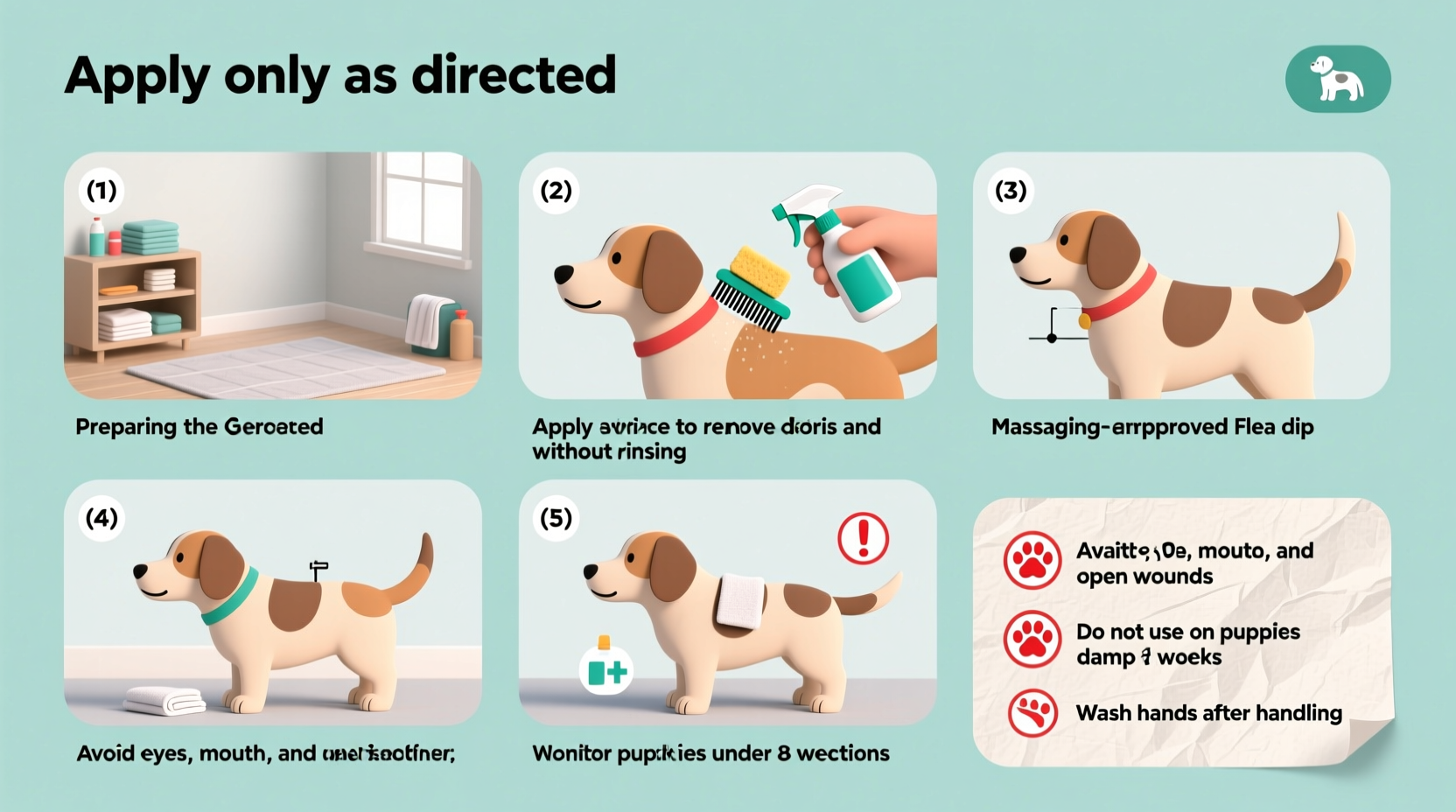
Flea dips are liquid insecticides applied directly to your dog’s coat and skin. These solutions contain active ingredients—such as pyrethrins, organophosphates, or synthetic pyrethroids—that kill adult fleas on contact. Unlike topical treatments that take hours to spread across the body, a properly applied dip coats the entire animal, delivering rapid knockdown of pests.
Dips do not offer long-term protection. Their primary purpose is to eliminate an existing infestation quickly. For lasting defense, they should be followed up with monthly preventatives such as chewables or collars.
“Flea dips are powerful tools when used correctly, but they’re not suitable for all dogs. Always check with your vet before using any pesticide-based product.” — Dr. Lena Patel, DVM, Small Animal Parasitology Specialist
Pre-Dip Preparation: Is Your Dog Ready?
Not every dog is a candidate for flea dipping. Certain breeds, ages, and health conditions increase the risk of adverse reactions. Before proceeding, consider the following:
- Puppies under 12 weeks should never be dipped unless directed by a veterinarian. Their livers are not fully developed to metabolize chemicals.
- Senior dogs or those with liver/kidney disease may be sensitive to insecticides.
- Sick, pregnant, or nursing dogs require veterinary consultation before treatment.
- Breed sensitivities: Collies, Shetland Sheepdogs, and other herding breeds may carry the MDR1 gene mutation, making them vulnerable to certain neurotoxic compounds.
Step-by-Step Guide to Safe Flea Dipping at Home
- Gather Supplies: Flea dip solution (veterinary-approved), rubber gloves, face mask, large towel, measuring cup, plastic squeeze bottle, bathtub or outdoor wash area, and treats for calming.
- Read the Label Carefully: Follow dilution instructions exactly. Over-concentrating increases toxicity risk; under-diluting reduces efficacy.
- Choose a Well-Ventilated Area: Perform the dip outdoors or in a bathroom with exhaust fan running. Avoid enclosed spaces where fumes can accumulate.
- Wear Protective Gear: Gloves and a mask prevent chemical exposure to your skin and lungs.
- Wet the Dog Thoroughly: Use lukewarm water to saturate the coat down to the skin. Avoid the eyes, ears, and mouth.
- Apply the Dip Solution: Pour or spray the diluted dip starting from the neck and moving backward. Work it into the fur with gloved hands, ensuring full coverage—including between toes, under the tail, and around the groin.
- Avoid the Head: To prevent accidental ingestion or eye exposure, do not apply dip directly to the head. Instead, use a damp sponge soaked in diluted solution to gently wipe the face.
- Let It Sit: Allow the solution to remain on the coat for the time specified on the label—usually 5 to 10 minutes. Do not exceed this duration.
- Rinse Thoroughly: Rinse with clean water until runoff is clear. Any residue left behind can cause skin irritation.
- Dry and Monitor: Towel dry and keep your dog indoors and warm. Watch for signs of distress—tremors, drooling, lethargy, or vomiting—for the next 24 hours.
Do’s and Don’ts of Flea Dipping
| Do’s | Don’ts |
|---|---|
| Use only vet-recommended or EPA-approved flea dip products | Never use agricultural or livestock dips on pets |
| Dilute according to label instructions | Don’t mix different insecticides together |
| Keep children and other pets away during application | Don’t let your dog lick itself until fully dry |
| Repeat treatment only if recommended (usually after 7–14 days) | Don’t dip more frequently than advised |
| Dispose of leftover solution properly per local regulations | Don’t pour excess dip down household drains |
Real Example: Bella’s Flea Infestation Recovery
Bella, a 3-year-old mixed-breed rescue, arrived at her new home covered in fleas. Despite using over-the-counter shampoos, the itching persisted. Her owner consulted a vet, who confirmed a heavy flea burden and recommended a single pyrethrin-based dip. Following strict safety protocols—using gloves, proper ventilation, and correct dilution—the owner administered the dip at home. Within 24 hours, Bella stopped scratching. A follow-up with a monthly preventative ensured no recurrence. The owner also washed bedding and vacuumed carpets daily for two weeks to disrupt the flea lifecycle in the environment.
Tips for Maximizing Effectiveness and Safety
Tip: After dipping, comb your dog with a fine-tooth flea comb to remove dead fleas and eggs. This also helps monitor progress. Tip: Never bathe your dog with regular shampoo within 48 hours after dipping—it can strip the residual protective layer. Tip: Keep treated dogs away from cats for at least 24 hours. Some dog-specific flea products are toxic to felines.Frequently Asked Questions
Can I use a flea dip on a puppy?
No, puppies under 12 weeks old should not be exposed to most flea dips due to their immature metabolic systems. Use gentle combing and consult your vet for safer alternatives like specific pediatric spot-ons.
How often should I repeat the flea dip?
Most dips are designed for one-time use during active infestations. Repeating too frequently can lead to chemical buildup and toxicity. If re-treatment is needed, wait at least 7–14 days and follow product guidelines or veterinary advice.
Are natural flea dips safe?
Some plant-based dips (e.g., citrus or neem oil) are marketed as “natural,” but they can still cause allergic reactions or toxicity in high concentrations. Even natural products require caution and proper dosing.
Post-Dip Care and Environmental Control
Killing fleas on your dog is only half the battle. Fleas lay eggs that fall into the environment—carpets, furniture, and yards—where they hatch and reinfest. To prevent recurrence:
- Wash all bedding in hot water weekly for at least three weeks.
- Vacuum carpets, rugs, and upholstery daily. Dispose of the vacuum bag or contents immediately.
- Treat outdoor areas where your dog spends time using pet-safe yard sprays.
- Consider using a flea growth inhibitor (like methoprene or pyriproxyfen) indoors to stop eggs from maturing.
Pair the dip with a long-term preventative such as oral medication (e.g., nitenpyram or spinosad) or a flea collar to maintain protection.
Final Checklist Before You Begin
- Confirmed my dog is healthy and old enough for dipping
- Selected a vet-approved, species-specific flea dip
- Read and understood all label instructions
- Prepared protective gear (gloves, mask, towels)
- Chosen a safe, ventilated workspace
- Informed household members about the procedure timing
- Have emergency vet contact information ready
Conclusion
Flea dipping, when performed responsibly, is a powerful tool for regaining control during a flea outbreak. By following precise safety measures and understanding your dog’s individual needs, you can achieve fast, effective results without compromising health. Remember: the goal isn’t just to kill fleas today, but to create a sustainable plan that prevents tomorrow’s infestation. With the right knowledge and care, your dog can live comfortably—free from itching, irritation, and pests.
💬 Have experience with flea dipping? Share your story or tips in the comments below—your insight could help another pet owner find relief.








