Bringing a new puppy into your home is both exciting and overwhelming. Beyond vaccinations and training, one of the most important things you can do is create a nurturing, engaging environment that supports early development. A “puppy kindergarten” setup at home mimics the socialization and learning spaces used in professional puppy classes—but tailored to your space and schedule. This guide walks you through designing a safe, playful, and educational area where your puppy can grow with confidence, curiosity, and joy.
Why a Puppy Kindergarten Space Matters
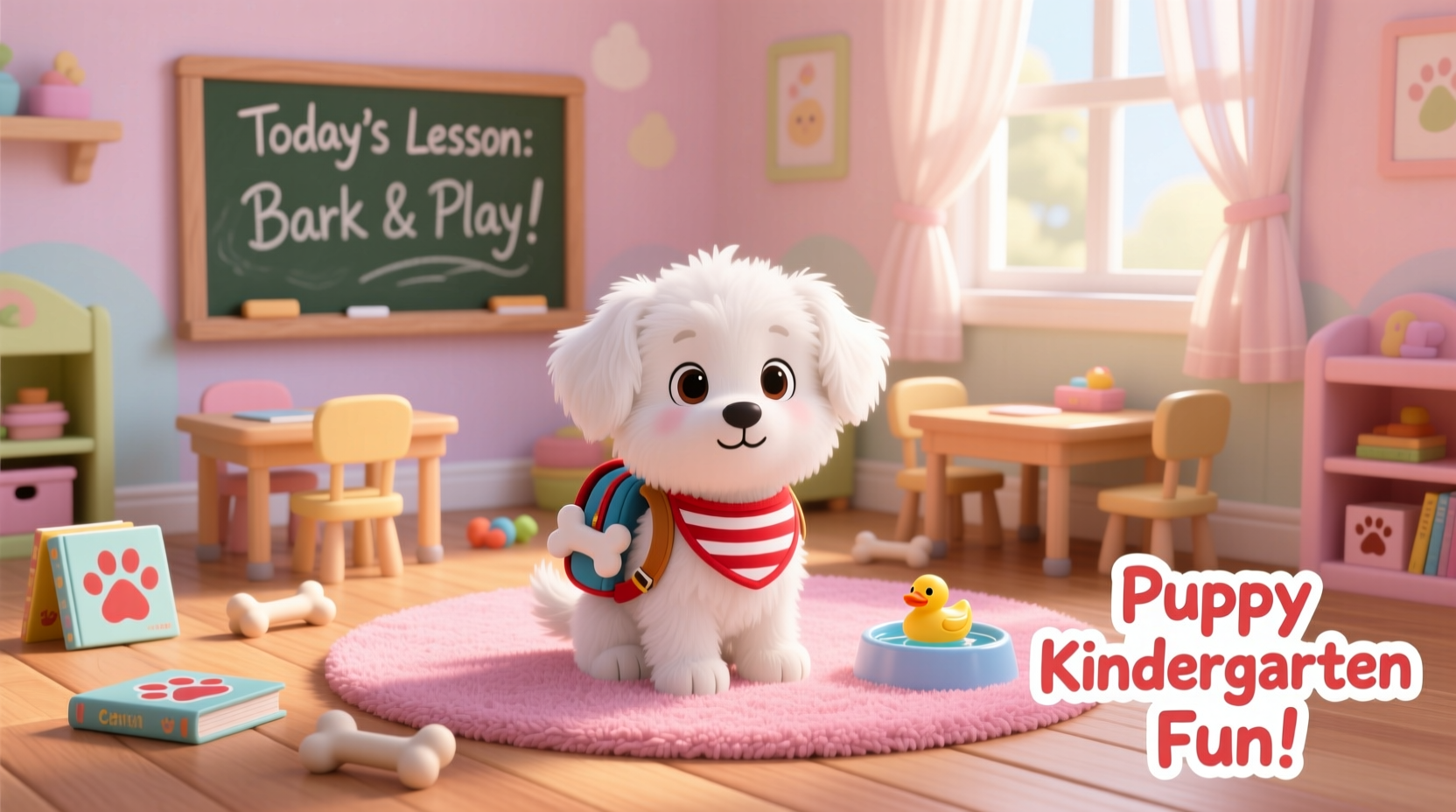
Puppies between 8 and 16 weeks undergo critical developmental stages. During this time, their brains are highly receptive to new experiences, sounds, textures, and interactions. Without proper exposure, they may develop fear-based behaviors later in life. A dedicated puppy kindergarten area offers controlled opportunities for sensory enrichment, basic command practice, and safe exploration—all essential for emotional resilience.
According to Dr. Sophia Yin, a renowned veterinary behaviorist, “Early environmental enrichment has long-term benefits on problem-solving ability, stress tolerance, and trainability.” Creating a structured yet fun space at home ensures your puppy receives consistent stimulation even when formal classes aren’t available.
Step-by-Step: Building Your Puppy Kindergarten Zone
Follow this practical timeline to set up your puppy’s learning environment over 3–5 days. You don’t need expensive gear—just thoughtful planning and everyday household items.
- Day 1: Choose and Prepare the Space
Select a quiet but accessible room or corner—like a spare bedroom, laundry room, or enclosed section of the living area. It should be easy to clean (tile or laminate flooring preferred) and free from hazards like loose wires or toxic plants. - Day 2: Define Zones Within the Area
Divide the space into functional zones using baby gates, rugs, or furniture:- Sleeping Zone: Crate or soft bed in a low-traffic corner.
- Play Zone: Open floor space with toys and activity stations.
- Learning Zone: Flat surface for training exercises.
- Bathroom Zone: Pee pads or artificial grass if outdoor access is limited.
- Day 3: Gather Essential Supplies
Collect age-appropriate items:- Soft chew toys (rubber, plush)
- Interactive puzzle feeders
- Treat pouch for training rewards
- Non-slip mats or textured surfaces (carpet samples, artificial turf)
- Child-safe mirrors or hanging ribbons for visual interest
- Day 4: Introduce Sensory Elements
Gradually expose your puppy to different stimuli:- Place crinkly materials under rugs
- Play recordings of city sounds, vacuum noises, or children laughing at low volume
- Add a ticking clock or white noise machine near the sleeping zone
- Day 5: Begin Structured Activities
Start short (5-minute) sessions twice daily focusing on:- Name recognition
- Sit command with treats
- Toys vs. shoes discrimination game
- Walking over varied textures
Design Checklist: Key Features of a Successful Puppy Kindergarten
Use this checklist before introducing your puppy to the space:
- ✅ Non-toxic, washable flooring or protective covering
- ✅ Separate areas for rest, play, and potty needs
- ✅ At least five different textures (e.g., mat, tile, foam tiles, fake grass)
- ✅ Sound exposure tools (speaker, radio, app with ambient noise)
- ✅ Age-appropriate chew toys rotated weekly to prevent boredom
- ✅ Visual cues (colored tape on floor, target sticks, picture cards)
- ✅ Training logbook to track progress and triggers
- ✅ Secure storage for all supplies out of puppy’s reach
Dos and Don’ts of Home Puppy Kindergarten Setup
| Do | Don’t |
|---|---|
| Introduce new sounds gradually at low volume | Blare loud noises without monitoring your puppy’s reaction |
| Use real-life objects like umbrellas or shopping bags for desensitization | Rush exposure—allow retreat and reassurance |
| Celebrate small wins with praise and treats | Punish fear or hesitation; instead, reduce intensity and rebuild confidence |
| Rotate toys every few days to maintain novelty | Overcrowd the space—keep it simple and clutter-free |
| Keep sessions short and positive (3–7 minutes) | Force interaction with unfamiliar items |
Real-Life Example: Max the Rescue Pup’s Transformation
Max, a 10-week-old mixed breed rescue, arrived fearful of stairs, vacuums, and men wearing hats. His owner, Lisa, set up a puppy kindergarten space in her sunroom using foam play mats, a Bluetooth speaker for sound training, and homemade obstacle courses made from cardboard boxes.
She began with just two-minute sessions: rewarding Max for looking at a hat on a chair, then touching it, then walking past it. Over two weeks, she added recorded doorbell chimes and introduced a stationary umbrella. By week four, Max confidently approached strangers wearing baseball caps and no longer flinched at household noises.
“I didn’t realize how much control I had over his fears,” Lisa said. “The kindergarten setup gave us structure—and joy. Now he runs to investigate new things instead of hiding.”
“We shape brave dogs not by pushing them into scary situations, but by giving them repeated, positive experiences in a controlled setting.” — Dr. Ian Dunbar, Veterinarian and Founder of Sirius Dog Training
Frequently Asked Questions
How much time should I spend in the puppy kindergarten each day?
Aim for three to five short sessions of 5–7 minutes each, spread throughout the day. Puppies have short attention spans, so consistency matters more than duration. Total active engagement should not exceed 30 minutes daily to avoid overstimulation.
Can I use this setup for older puppies or adult dogs?
While ideal for puppies under 16 weeks, similar principles apply to older dogs with anxiety or gaps in early socialization. Adjust the pace and complexity—older dogs may need longer adjustment periods and fewer simultaneous stimuli.
What if my puppy seems scared or refuses to engage?
This is normal. Back off and simplify the environment. Use high-value treats (like chicken or cheese) to build positive associations. Never force contact. If fear persists beyond several sessions, consult a certified dog behavior consultant.
Final Tips for Long-Term Success
Your puppy kindergarten doesn’t need to be elaborate—just intentional. The goal isn’t perfection, but progress. Celebrate curiosity, reinforce calmness, and document milestones in a journal. As your puppy grows, evolve the space: add tunnels, balance beams, or scent games to continue cognitive challenges.
Remember, every interaction shapes your puppy’s worldview. A well-designed home kindergarten builds confidence, reduces future behavioral issues, and strengthens your bond through shared learning.
🚀 Start today—your puppy’s first classroom can be right in your living room. Set up one zone, introduce one new texture or sound, and reward bravery. Share your journey online to inspire other pet parents!








