A custom aquarium is more than just a fish tank—it’s a living piece of art that reflects your personality, complements your interior design, and brings tranquility into your home or office. Unlike off-the-shelf models, a custom-built aquarium allows you to define its size, shape, materials, and ecosystem to perfectly match your space and vision. Whether you’re drawn to the minimalist elegance of a nano tank or the immersive depth of a floor-to-ceiling aquatic wall, building a custom aquarium requires thoughtful planning, technical precision, and aesthetic awareness.
This guide walks you through every phase—from conceptualization to cycling—so you can create a functional, beautiful aquarium that thrives for years.
1. Assess Your Space and Define Your Vision
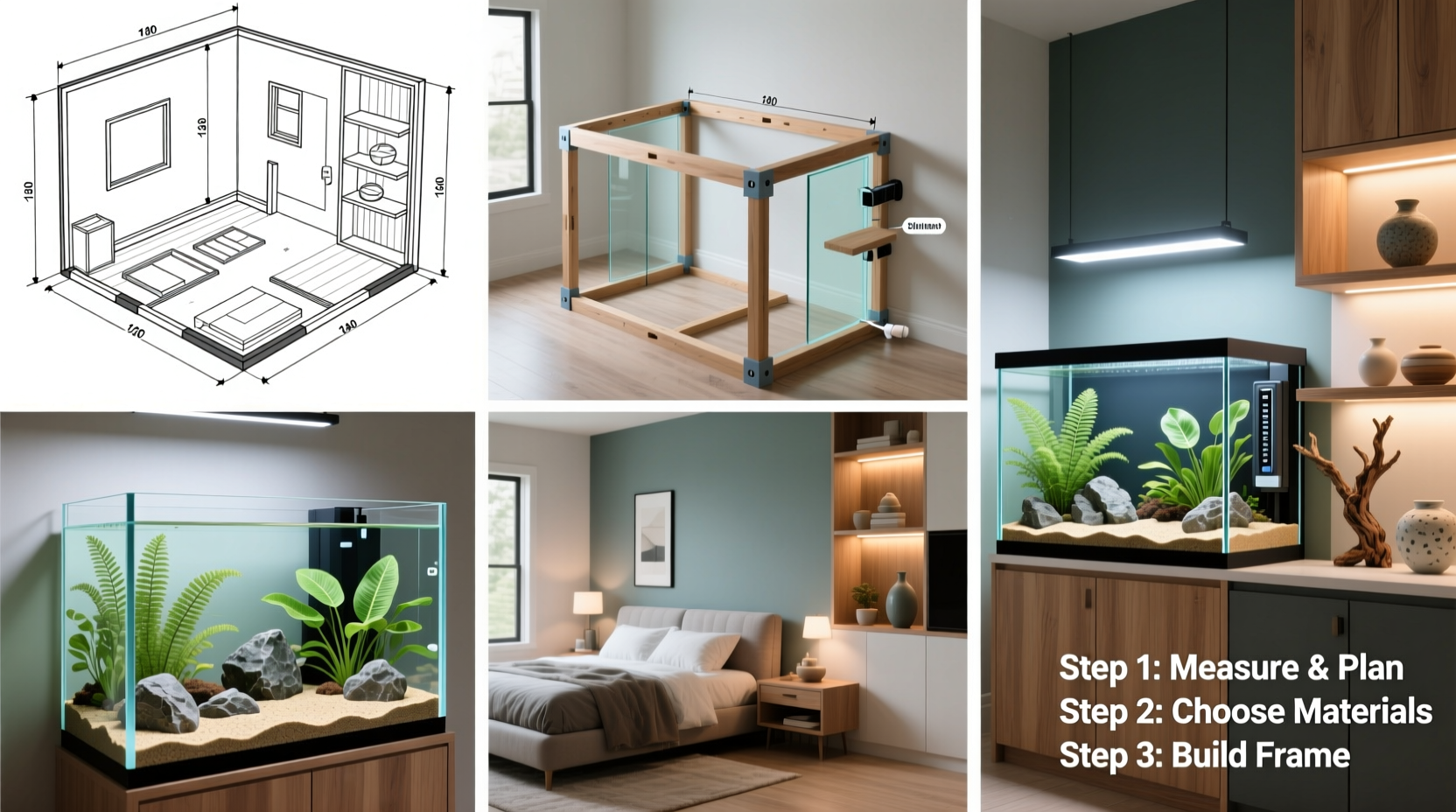
The first step in creating a custom aquarium is understanding the environment where it will live. Measure the available space carefully: width, height, depth, and weight-bearing capacity. A gallon of water weighs approximately 8.3 pounds, so even a modest 50-gallon tank will exert over 400 pounds when filled—including substrate, rocks, and equipment.
Consider the room’s lighting, foot traffic, and ambient temperature. Avoid placing tanks in direct sunlight, which encourages algae growth, or near heat sources like radiators that can destabilize water conditions.
Tip: Use painter’s tape to outline the footprint of your proposed tank on the floor. This helps visualize scale and flow within the room.Next, define your aesthetic goals. Do you want a modern acrylic cube with LED backlighting? A rustic wooden-framed cichlid tank? Or a planted aquascape inspired by Japanese garden principles? Collect inspiration from design platforms like Pinterest or aquarium forums to refine your concept.
2. Choose Between Custom-Built and Modified Stock Tanks
You have two main paths: commission a fully custom aquarium from a glass fabricator, or adapt a high-quality stock tank with personalized modifications.
| Option | Pros | Cons |
|---|---|---|
| Custom-Built Tank | Fully tailored dimensions; seamless design; choice of glass or acrylic; built-in overflow systems | Higher cost; longer lead time; requires professional installation |
| Modified Stock Tank | Lower upfront cost; faster availability; easier to move | Limited shapes; may require DIY mods for aesthetics or function |
For unique installations—such as corner bowfronts, pentagon tanks, or built-in wall units—custom fabrication is essential. Reputable manufacturers use annealed glass or cast acrylic with silicone rated for constant submersion. Always request structural schematics and safety certifications.
“Precision in sealing and support structure is non-negotiable. A single flaw in a 200-gallon custom build can lead to catastrophic failure.” — Daniel Reyes, Aquarium Fabrication Specialist, Oceanic Creations LLC
3. Design the System: Filtration, Lighting, and Ecosystem Type
Your aquarium’s longevity depends on choosing the right supporting systems. These decisions should align with the type of aquatic environment you intend to create: freshwater community, planted, brackish, reef, or species-specific.
Filtration Strategy
For custom tanks, especially larger ones, consider a sump-based filtration system. A sump is a secondary reservoir, usually hidden beneath or behind the main tank, that houses mechanical, chemical, and biological filtration media along with protein skimmers (for saltwater) and return pumps.
- Benefits: Increased water volume, improved stability, cleaner surface appearance (no internal filters), better oxygenation.
- Design Tip: Include an overflow box or drilled standpipe in the main tank to allow silent water transfer to the sump.
Lighting Selection
Lighting affects both aesthetics and biology. For planted tanks, full-spectrum LEDs with adjustable intensity and photoperiods promote healthy growth. Reef tanks demand high-output lighting with specific PAR (Photosynthetically Active Radiation) values to sustain corals.
Tip: Integrate smart lighting controllers to simulate sunrise/sunset effects and reduce stress on fish.Ecosystem Planning
Decide early whether your tank will house fish only, plants, invertebrates, or a combination. This determines substrate choice, nutrient management, and compatibility rules. For example:
- Freshwater planted tanks benefit from nutrient-rich substrates like aquasoil.
- Cichlid tanks need inert sand or gravel to avoid altering pH.
- Reef tanks require aragonite sand and precise calcium, alkalinity, and magnesium monitoring.
4. Step-by-Step Build and Setup Timeline
Follow this structured sequence to ensure a successful installation:
- Week 1: Finalize Design & Order Components
Confirm tank dimensions, select manufacturer, order glass/acrylic, overflow, sump, pump, lighting, and stand. - Week 2–3: Fabrication & Delivery
Inspect tank upon arrival for flaws. Ensure all seals are smooth and edges polished. Acclimate the empty tank to room temperature before filling. - Day of Setup: Position and Level
Place the tank on a structurally sound, level surface. Use a spirit level and shims if necessary. Never rely solely on floor appearance—small tilts cause uneven pressure. - Add Substrate and Hardscape
Layer substrate evenly. Arrange driftwood, rocks, or coral skeletons to create visual depth and hiding spaces. Rinse all materials thoroughly. - Fill with Water Gradually
Pour water over a plate or bowl to avoid disturbing the layout. For saltwater tanks, mix RO/DI water with marine salt to target specific gravity of 1.024–1.026. - Install Equipment
Mount heaters, filters, wavemakers, and lights. Connect sump plumbing and test for leaks over 24 hours. - Begin Cycling Process
Add a source of ammonia (e.g., pure ammonium chloride or decaying shrimp) to initiate nitrogen cycle. Test water daily for ammonia, nitrite, and nitrate.
Cycling typically takes 4–6 weeks. Only after nitrite drops to zero and nitrate appears should you introduce livestock—starting with hardy species like ghost shrimp or copepods.
5. Real Example: Urban Loft Aquarium Transformation
In a downtown Chicago loft, homeowner Maya Chen wanted to transform a blank 8-foot-wide wall between her living and dining areas into a focal point. She collaborated with a local aquarium designer to create a 180-gallon panoramic tank with a black silicone seal, built-in overflow, and a hidden sump in an adjacent closet.
The tank features a biotope-inspired African rift lake design: stacked Texas Holey Rock, fine white sand, and vibrant Mbuna cichlids. LED lighting mimics midday sun, enhancing the blues and yellows of the fish. Automated top-off and monitoring systems maintain stability despite variable apartment temperatures.
The result was not just an aquarium, but a dynamic sculpture that unified the open-concept space and became a conversation starter at every gathering.
Essential Checklist Before Adding Livestock
- ✅ Tank is level and securely supported
- ✅ All plumbing connections are leak-tested
- ✅ Filtration and circulation systems are running smoothly
- ✅ Water parameters stabilized (ammonia = 0, nitrite = 0, pH consistent)
- ✅ Lighting schedule established (8–10 hours/day)
- ✅ Quarantine protocol ready for new arrivals
- ✅ Maintenance tools on hand (gravel vacuum, test kits, spare parts)
Frequently Asked Questions
Can I build a custom aquarium myself?
Yes, experienced DIYers can construct small to medium tanks using tempered glass and marine-grade silicone. However, larger builds (over 75 gallons) carry significant risk if improperly sealed or supported. Most experts recommend professional fabrication for anything beyond basic rectangular designs.
How much does a custom aquarium cost?
Prices vary widely. A simple 75-gallon glass tank might cost $800–$1,200. Complex designs with acrylic, custom stands, sumps, and automation can range from $3,000 to $15,000 or more. Installation and ongoing equipment add to the total.
How often does a custom aquarium need maintenance?
Weekly tasks include water testing, partial water changes (10–20%), and glass cleaning. Monthly maintenance involves filter media replacement, equipment inspection, and plant trimming (if applicable). Automated systems reduce labor but still require monitoring.
Final Thoughts
Building a custom aquarium is a rewarding project that blends craftsmanship, biology, and personal expression. When designed with care and maintained diligently, it becomes a living centerpiece that evolves over time—calming, educational, and endlessly fascinating.
🚀 Start today: Sketch your ideal tank, measure your space, and consult a reputable aquarium builder. Your dream aquatic environment is closer than you think.








