A well-fitted dog collar is essential for both control and comfort. Metal buckle collars are among the most durable and widely used options, offering strength and reliability. However, even the best collar can cause discomfort or pose risks if improperly adjusted. An overly tight collar may restrict breathing or damage the trachea, while a loose one can slip off or allow escape. This guide walks you through the precise steps to adjust a metal buckle dog collar correctly—ensuring your dog stays safe, comfortable, and secure during walks, training, and everyday wear.
Why Proper Collar Fit Matters
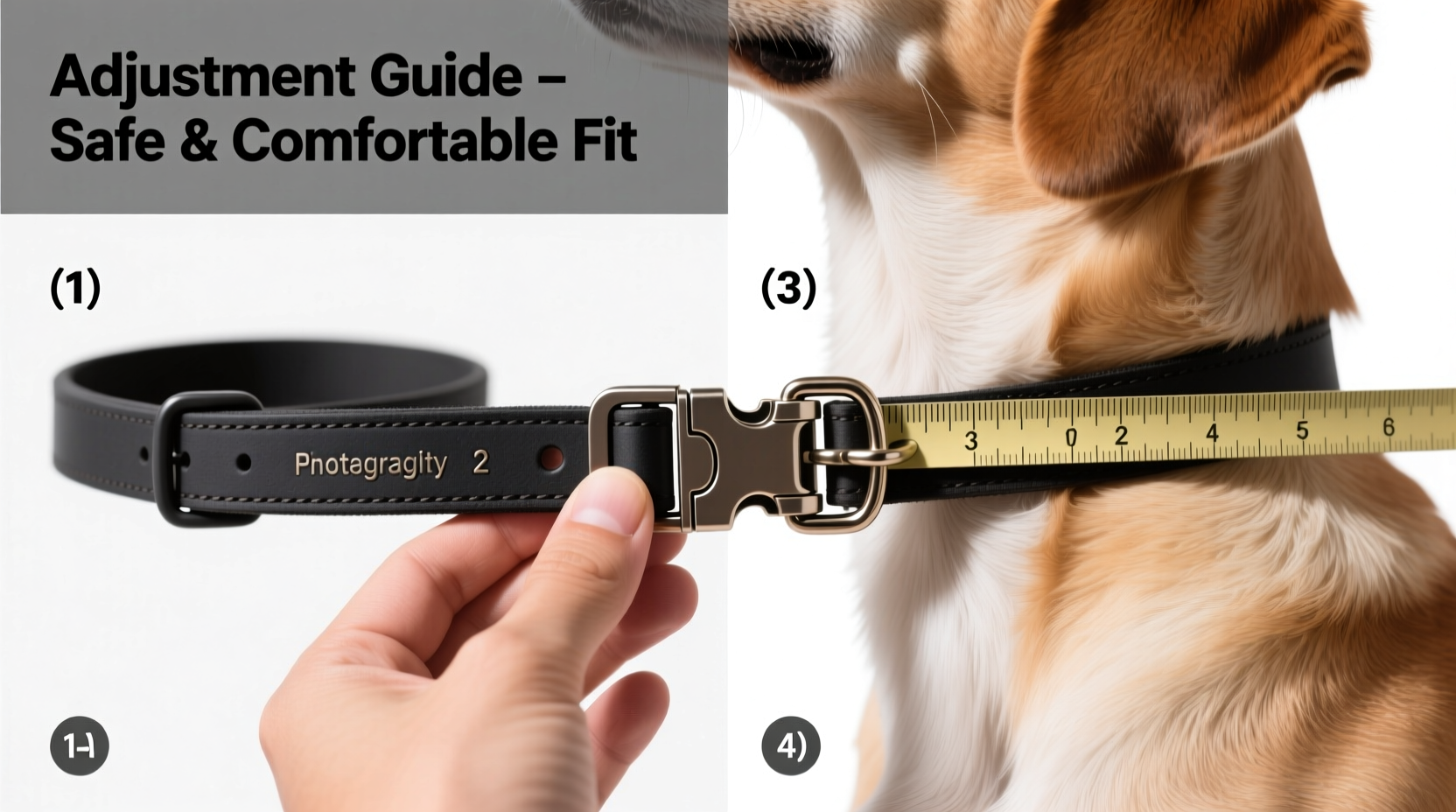
The neck is a sensitive area housing vital structures such as the trachea, thyroid gland, and major blood vessels. A poorly fitted collar can lead to chronic irritation, hair loss, or even long-term health issues. Beyond physical harm, an ill-fitting collar reduces control, increasing the risk of accidents during outdoor activities.
Dogs come in various shapes and sizes, and their necks change over time due to weight fluctuations, muscle development, or growth in puppies. Regular assessment and adjustment are crucial. The goal is a snug but not restrictive fit—one that allows limited movement without compromising safety.
Tip: Check your dog’s collar fit every two weeks, especially in growing puppies or dogs undergoing weight changes.Tools and Materials You’ll Need
Before beginning, gather the following items to ensure a smooth process:
- Metal buckle dog collar (nylon, leather, or biothane)
- Flexible measuring tape (or a piece of string and ruler)
- Scissors (if trimming excess strap)
- Marker or pen (for noting adjustments)
Ensure the collar is clean and free from fraying or rust on the buckle. A damaged collar should be replaced immediately, regardless of fit.
Step-by-Step Guide to Adjusting the Collar
- Remove the current collar carefully. If it’s been worn tightly, give your dog a short break before reapplying to avoid skin irritation.
- Measure your dog’s neck. Wrap the measuring tape around the base of the neck, just behind the ears and above the shoulders. Pull snugly but not tightly—allow enough room to slide two fingers beneath. Record this measurement.
- Select the appropriate hole. Most metal buckle collars have multiple adjustment holes. Choose the hole that aligns closest to your measured size, leaving one or two holes available for future tightening or loosening.
- Thread the collar through the buckle. Insert the end of the collar strap through the D-ring side of the buckle, then loop it back through the prong to secure. Ensure the excess strap lies flat and doesn’t protrude sharply.
- Fasten and test the fit. Clip the buckle closed and place the collar on your dog. Slide two fingers between the collar and the neck. They should fit comfortably; if only one fits, it’s too tight. If more than two fit easily, it’s too loose.
- Check for symmetry and positioning. The collar should sit level around the neck, with the buckle on the side or top (depending on preference), and the ID tags hanging freely.
- Observe your dog for 10–15 minutes. Watch for signs of scratching, pawing at the neck, coughing, or reluctance to move. These may indicate discomfort or improper fit.
- Trim excess length if necessary. If more than 2–3 inches of strap extend beyond the buckle, consider trimming it to reduce snagging hazards. Leave about 1 inch for future adjustments.
Do’s and Don’ts of Collar Adjustment
| Do’s | Don’ts |
|---|---|
| Use the two-finger rule for fit | Leave the collar so loose it slips over the dog’s head |
| Inspect the buckle and strap weekly | Force the strap into a hole that doesn’t align naturally |
| Adjust frequently for growing puppies | Allow sharp edges or frayed ends to remain untrimmed |
| Position the buckle away from pressure points | Use pliers or tools to force adjustment—this damages the material |
Expert Insight on Neck Safety
“Many cases of tracheal collapse in small breeds are linked to chronic pressure from tight or improperly positioned collars. A properly adjusted buckle collar distributes force evenly and allows for safe control without endangering delicate neck structures.” — Dr. Rebecca Lin, Veterinary Behaviorist and Canine Health Specialist
Real-World Example: Fixing a Loose Collar Before It Caused Trouble
Max, a 1-year-old Border Collie, had outgrown his puppy collar within six months. His owner noticed he could sometimes slip out of it during play at the dog park. After a close call where Max darted toward a busy street, his owner decided to reassess the fit. Measuring Max’s neck revealed it had grown from 14 to 17 inches. By switching to a larger collar with adjustable holes and following the two-finger rule, the owner restored security. Max now wears his collar confidently, and his tags stay visible and jingle-free during runs.
This case highlights how quickly fit can change—and why routine checks matter even in active adult dogs.
Common Signs of Poor Collar Fit
Watch for these warning signs that your dog’s collar may need immediate adjustment:
- Bald spots or redness on the neck
- Excessive scratching or rubbing against furniture
- Coughing or gagging when pulling
- Visible slack when the dog moves
- Inability to remove the collar without struggle (too tight)
If any of these occur, remove the collar and re-evaluate the fit. Persistent skin irritation may require a vet visit to rule out infection or allergy.
Frequently Asked Questions
How tight should a metal buckle dog collar be?
A metal buckle dog collar should be snug enough to stay in place but loose enough to fit two fingers between the collar and your dog’s neck. This balance ensures security without restricting movement or airflow.
Can I use a martingale collar instead for better control?
Yes, martingale collars are excellent for dogs with narrow heads or those prone to slipping out. However, they are not a substitute for proper buckle collar fit during daily wear. Use them appropriately based on activity and breed needs.
Should I leave the collar on my dog all the time?
No. While identification is important, continuous wear increases the risk of fur breakage, skin irritation, or entanglement. Remove the collar at night or when unsupervised, and provide collar-free time daily to let the skin breathe.
Final Checklist for Safe Collar Adjustment
- Measured neck accurately using the two-finger method
- Selected correct adjustment hole for snug fit
- Ensured buckle is secure and strap is threaded properly
- Trimmed excess length safely (if needed)
- Observed dog for signs of discomfort after application
- Scheduled monthly fit checks, especially for young or active dogs
Conclusion: Comfort and Safety Start with the Right Fit
Adjusting a metal buckle dog collar isn’t a one-time task—it’s part of responsible pet ownership. Taking a few minutes to ensure proper fit can prevent discomfort, injury, and even life-threatening escapes. Whether you’re fitting a new collar or readjusting an old favorite, precision and attention to detail make all the difference. Your dog relies on you for their well-being, and a correctly fitted collar is a simple yet powerful way to protect them every day.
💬 Have a tip for keeping dog collars secure and comfortable? Share your experience below and help fellow pet owners get the fit right!








