For pet owners, the living room sofa is more than just a piece of furniture—it's a battleground. Between muddy paws, accidental spills, sudden shedding, and the occasional “I didn’t mean to” accident, your couch takes a beating. When it comes to protecting it, two solutions dominate: professional stain treatment and removable sofa covers. But which one truly offers better value, longevity, and peace of mind?
The answer isn't always straightforward. It depends on your lifestyle, your pet’s behavior, your budget, and how much maintenance you're willing to commit to. Let’s break down both options with real-world insights, expert advice, and practical comparisons.
Understanding the Threat: What Pets Do to Sofas
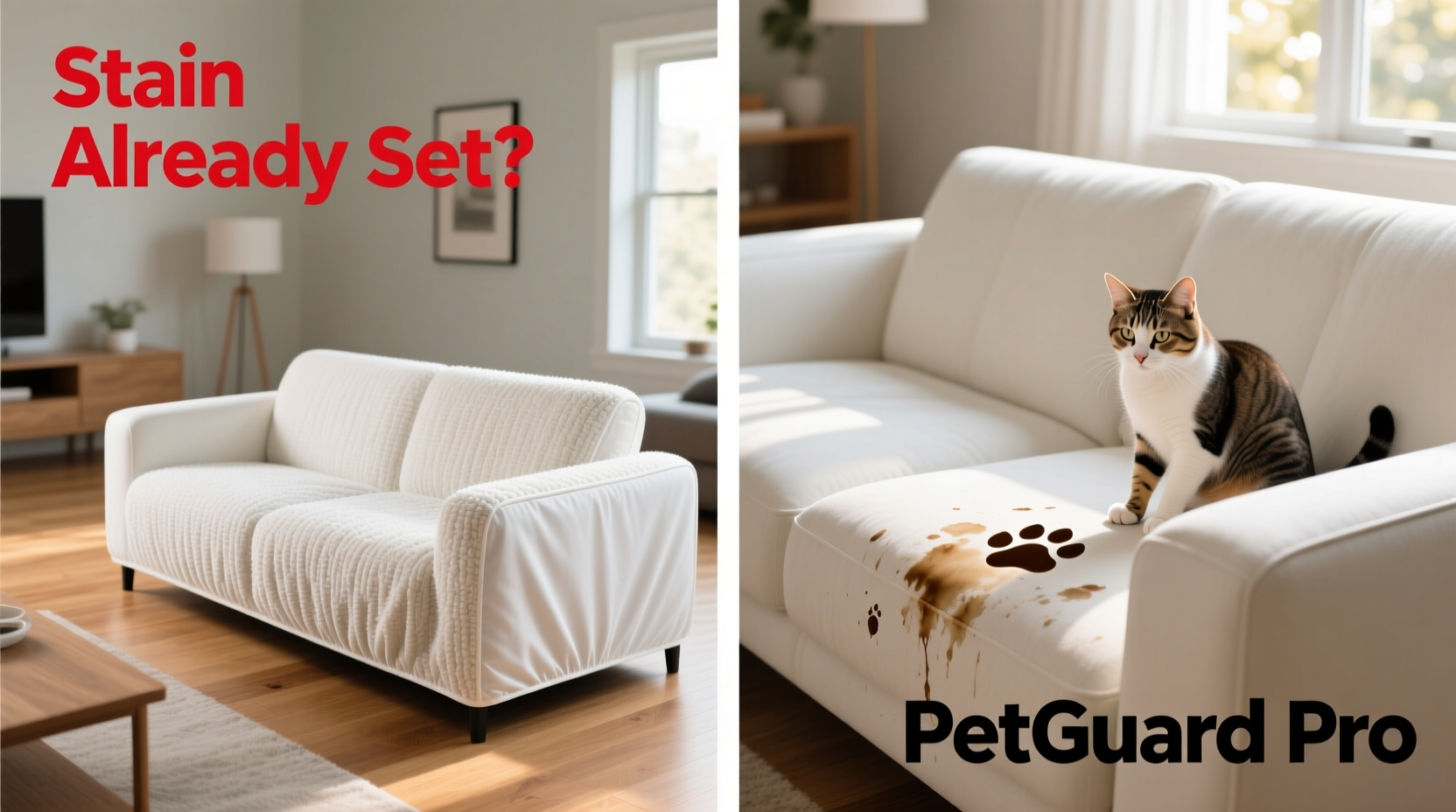
Dogs and cats may be beloved family members, but they’re hard on upholstery. Common issues include:
- Urine and vomit stains – especially in puppies, senior pets, or anxious animals.
- Mud and dirt transfer – from outdoor play to indoor lounging.
- Fur accumulation – deeply embedded in fabric weaves.
- Scratching and claw marks – particularly on leather or tightly woven fabrics.
- Odor buildup – biological residues that standard cleaning can't fully eliminate.
These problems don’t just affect appearance—they compromise hygiene and comfort. A sofa that smells faintly of pet accidents or feels gritty under your hand reduces quality of life. So, protection isn’t optional; it’s essential.
Tip: Train pets early to use designated pet beds or mats instead of the sofa—this reduces wear and tear by up to 60% over time.Stain Treatment: The Reactive Approach
Stain treatment involves using chemical cleaners, enzymatic removers, steam extraction, or professional services to address soiling after it occurs. This method is reactive rather than preventive.
Enzymatic cleaners are particularly effective for organic stains like urine or feces because they break down proteins and eliminate odor at the molecular level. Steam cleaning machines can deep-clean fibers but require caution—over-wetting can lead to mold growth or fabric warping.
While spot treatments work well for isolated incidents, repeated use can degrade fabric integrity. Harsh chemicals may strip natural fibers, fade colors, or leave behind residue that attracts more dirt.
“Over-cleaning with strong solvents weakens textile fibers and accelerates wear. Spot treat only when necessary.” — Dr. Lena Torres, Textile Preservation Specialist
Pros and Cons of Stain Treatment
| Pros | Cons |
|---|---|
| Immediate response to accidents | Does not prevent future stains |
| Effective for fresh spills and odors | Repeated use damages fabric |
| Can restore older stains with professional help | Costs add up over time (products + services) |
| No change to sofa aesthetics | Risk of color fading or texture alteration |
Sofa Covers: The Preventive Shield
A removable, washable sofa cover acts as a physical barrier between your pet and the upholstery. Modern versions are designed to fit snugly, resist claws, and mimic high-end fabric textures—without sacrificing comfort.
Covers come in materials like microfiber, canvas, or waterproof blends. Many are machine-washable, some even bleach-safe. They allow you to swap styles seasonally and replace them every few years without reupholstering the entire sofa.
Unlike stain treatment, which responds to damage, a cover prevents it. Think of it as insurance: you pay upfront to avoid costly repairs later.
Real-Life Example: The Johnson Family’s Two-Year Test
The Johnsons own two golden retrievers and a beige fabric sectional. After replacing their sofa twice in three years due to irreversible stains, they invested in custom-fitted, machine-washable sofa covers.
They now launder the covers weekly. Despite muddy paws, puppy accidents, and spilled coffee, the underlying sofa remains pristine after 24 months. Their total spend: $180 for two covers. Cost of a new sofa: $1,200. By month ten, they’d already saved money.
“It’s not glamorous,” says Sarah Johnson, “but knowing I can toss the cover in the wash gives me real peace of mind.”
Tip: Choose sofa covers with non-slip backing and reinforced stitching—they last longer and stay in place during pet play.Step-by-Step Guide: Choosing the Right Protection Strategy
Follow this decision-making timeline to determine the best approach for your home:
- Assess pet behavior – Does your pet frequently jump on the sofa? Have they had accidents before?
- Evaluate your sofa material – Leather resists stains better than fabric but scratches easily. Microfiber handles both.
- Calculate long-term costs – Estimate annual cleaning expenses vs. one-time cover purchase.
- Test a small area – If considering stain treatment, test cleaner on an inconspicuous spot first.
- Implement dual protection – Use a sofa cover as primary defense, and keep enzymatic cleaner on hand for emergencies.
This hybrid strategy maximizes protection while minimizing risk.
Comparison Table: Stain Treatment vs. Sofa Cover
| Factor | Stain Treatment | Sofa Cover |
|---|---|---|
| Upfront Cost | Low ($10–$50 per product) | Medium ($70–$200) |
| Long-Term Cost | High (repeated purchases, possible replacement) | Low (replace cover every 2–3 years) |
| Effectiveness | Reactive (after damage) | Preventive (stops damage) |
| Maintenance | As needed, often urgent | Regular washing (weekly/biweekly) |
| Lifespan Impact | Reduces sofa life with frequent use | Prolongs original upholstery |
| Aesthetic Flexibility | None (same look) | High (change color/style anytime) |
Expert Insight: Why Prevention Wins
“Most sofa failures in pet homes aren’t due to poor quality—they’re due to cumulative neglect. A simple cover can extend a sofa’s usable life by five years or more.” — Marcus Reed, Furniture Durability Analyst at HomeWell Institute
Reed’s research shows that sofas in homes with active pets last an average of 3.2 years without protective measures. With a removable cover, that jumps to 7.8 years. That’s more than double the lifespan—and significant savings.
FAQ: Common Questions Answered
Can I use both stain treatment and a sofa cover?
Absolutely. In fact, it’s ideal. The cover handles daily protection, while stain treatment serves as a backup for rare emergencies—like if liquid seeps underneath or the cover is off for washing.
Are sofa covers pet-proof?
No cover is 100% pet-proof, but many are pet-resistant. Look for tightly woven, claw-resistant fabrics like canvas or ripstop polyester. Avoid thin knits that snag easily.
Do stain removers harm pets?
Some do. Always choose pet-safe, non-toxic formulas. Avoid products with ammonia, formaldehyde, or chlorine bleach unless the area will be thoroughly rinsed and aired out. Keep pets away during application.
Final Verdict: Which Is Better?
When comparing stain treatment and sofa covers for pet owners, the evidence strongly favors sofa covers as the superior long-term solution. While stain treatment has its place in emergency care, it cannot prevent damage—only respond to it.
Sofa covers offer consistent protection, reduce cleaning labor, preserve your investment, and adapt to changing needs. They represent a proactive, cost-effective strategy that aligns with the realities of pet ownership.
That said, relying solely on a cover isn’t foolproof. Pair it with smart habits: regular vacuuming, immediate spot cleaning when needed, and training pets to respect boundaries. Combine prevention with prompt response, and your sofa will survive the chaos of pet life with dignity intact.
🚀 Take action today: Measure your sofa and order a high-quality, washable cover. Your future self—and your wallet—will thank you when the next paw print storm hits.








