Choosing the right toy for your dog isn’t just about what looks fun or cute—it’s about safety, durability, and long-term satisfaction. Two of the most popular categories are squeaky plush toys and tough rubber toys, each with passionate fans among pet owners. But when it comes to longevity and keeping your dog genuinely engaged, which type wins?
The answer depends on your dog’s personality, chewing habits, and play style. While plush toys offer comfort and mimic prey-like sounds that excite many dogs, rubber toys are built to endure aggressive chewing. Understanding the strengths and limitations of each helps you make smarter choices—saving money, reducing waste, and keeping your pup mentally stimulated.
Durability Showdown: Plush vs Rubber
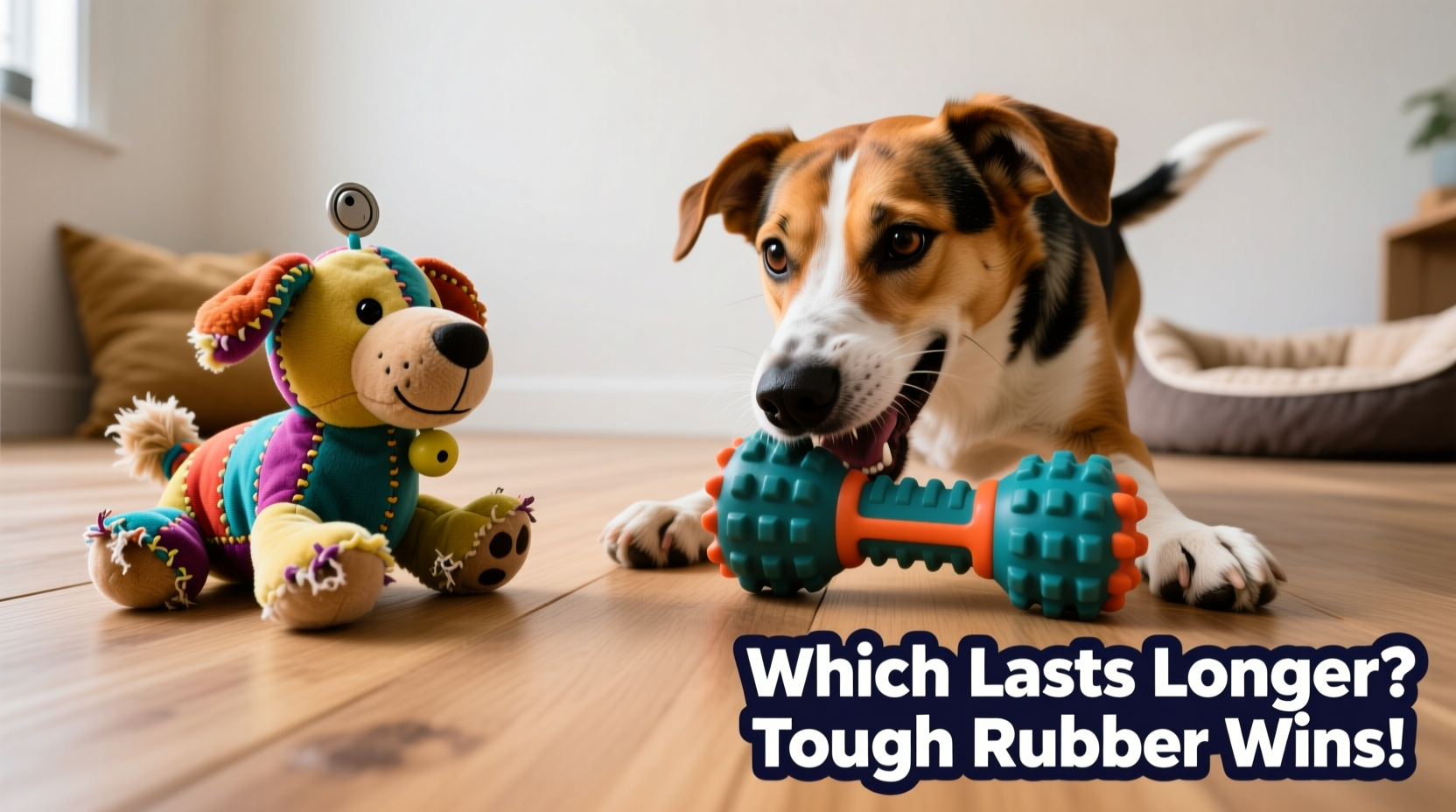
Squeaky plush toys are soft, cuddly, and often shaped like animals, making them ideal for gentle players or dogs who enjoy “nursing” a favorite companion. However, their construction makes them vulnerable. Most are made from polyester or cotton fabric with stitched seams, internal stuffing, and a small plastic squeaker. Even moderate chewers can dismantle these within minutes.
In contrast, tough rubber toys are engineered for resilience. Made from high-density natural or synthetic rubber, they resist punctures, tearing, and compression. Brands like Kong, West Paw, and GoughNuts design toys specifically for power chewers, some even offering guarantees against destruction. These toys can last months—or even years—with regular use.
Tip: If your dog removes stuffing or swallows pieces of a plush toy, discontinue use immediately—ingestion can lead to intestinal blockages.Engagement and Mental Stimulation
While rubber toys win in durability, plush toys often take the lead in initial excitement. The squeak mimics the sound of small prey, triggering a dog’s natural hunting instincts. Many dogs go into full “kill shake” mode, tossing and pouncing with enthusiasm. This auditory feedback provides instant gratification and mental stimulation, especially for younger or high-energy breeds.
Rubber toys, while less instinctively exciting at first, offer deeper, longer-lasting engagement through versatility. Many are designed with hollow centers for treat dispensing, encouraging problem-solving and independent play. A Kong stuffed with peanut butter or frozen yogurt can occupy a dog for 20–30 minutes, reducing boredom and destructive behavior.
“Dogs benefit from both types of toys, but the key is matching the toy to the dog’s behavioral needs. Plush toys satisfy emotional and predatory drives; rubber toys support dental health and cognitive enrichment.” — Dr. Lisa Peterson, DVM, Canine Behavior Specialist
Comparative Analysis: Key Features at a Glance
| Feature | Squeaky Plush Toys | Tough Rubber Toys |
|---|---|---|
| Durability | Low to moderate (minutes to days) | High (months to years) |
| Bite Resistance | Poor – easily torn | Excellent – resists strong jaws |
| Mental Engagement | High initially, short-lived | Moderate to high, sustained |
| Safety Risk | Higher (stuffing, squeakers, loose threads) | Lower (non-toxic, no small parts) |
| Cleanability | Limited (spot clean only, not machine washable if filled) | Easy (dishwasher safe or soap/water) |
| Best For | Gentle players, puppies, comfort seekers | Power chewers, high-energy dogs, interactive play |
Real-World Example: Max the Labrador vs. Luna the Terrier
Consider two real dogs: Max, a 3-year-old Labrador, and Luna, a 2-year-old Jack Russell Terrier. Max enjoys carrying around a stuffed squirrel, nuzzling it, and occasionally squeaking it gently. He doesn’t chew aggressively and treats the toy like a companion. That same plush toy has lasted six months with only minor seam wear.
Luna, however, is a relentless chewer. She received an identical plush toy as a gift. Within 15 minutes, she had removed the squeaker, scattered stuffing across the living room, and attempted to swallow a plastic piece. Her owner quickly switched to a rubber flirt pole and a treat-dispensing ball—both of which have held up for over a year with daily use.
This contrast shows that breed tendencies matter less than individual temperament. While Labs are often seen as mouthy, Max is gentle. Terriers are energetic, but Luna’s intensity demands indestructible options.
How to Choose the Right Toy for Your Dog
Selecting between plush and rubber isn’t about trends—it’s about observation and strategy. Follow this step-by-step guide to make informed decisions:
- Observe your dog’s play style: Does your dog gently carry toys, toss them, or aggressively shred them?
- Assess past toy destruction: How long did previous plush toys last? Did your dog eat any parts?
- Match toy type to purpose: Use plush toys for comfort or short indoor play; reserve rubber for outdoor sessions or unsupervised time.
- Introduce variety: Rotate toys weekly to maintain interest and reduce obsessive chewing.
- Inspect regularly: Check for wear, exposed seams, or broken parts—especially in plush toys.
- Supervise initially: Always monitor your dog with a new toy for the first few uses.
Common Mistakes to Avoid
- Assuming all dogs need plush toys: Just because a toy is marketed as “adorable” doesn’t mean it’s suitable for every dog.
- Leaving plush toys unattended: Unsupervised access increases the risk of ingestion and choking hazards.
- Using damaged rubber toys: Cracks or chunks missing from rubber can become sharp or pose swallowing risks.
- Over-relying on squeakers: Some dogs become fixated on finding and destroying the squeaker, leading to rapid toy death.
Frequently Asked Questions
Can I give my dog a plush toy if they’re a moderate chewer?
Yes, but with caution. Choose reinforced plush toys with double-stitched seams and hidden squeakers. Limit use to supervised sessions and remove the toy once the outer layer is compromised.
Are all rubber toys safe for aggressive chewers?
No. Not all rubber toys are created equal. Look for brands specifically labeled “indestructible” or “power chewer approved.” Avoid thin-walled or hollow toys that can be crushed. Solid rubber with variable textures tends to last longest.
How do I keep rubber toys from becoming boring?
Use them interactively. Stuff them with treats, freeze them with broth, or use them during fetch or tug games. Rotating 3–4 rubber toys weekly prevents habituation and maintains excitement.
Final Recommendation: Balance Longevity with Joy
When it comes to lasting power, tough rubber toys clearly outperform squeaky plush ones. They withstand intense chewing, are easier to clean, and support healthier play patterns. However, plush toys fulfill a unique emotional and sensory role—many dogs form attachments to them, using them for comfort and imaginative play.
The smart approach isn’t choosing one over the other, but integrating both into a balanced toy rotation. Use durable rubber toys as the foundation of your dog’s collection—especially for solo or outdoor play. Reserve plush toys for bonding moments, training rewards, or quiet time, always under supervision.
By understanding your dog’s individual needs and respecting the limits of each toy type, you’ll extend toy life, minimize safety risks, and maximize happiness. After all, a fulfilled dog isn’t just one who chews endlessly—it’s one who feels engaged, secure, and joyfully challenged every day.
💬 What’s your dog’s favorite toy—and how long has it lasted? Share your experience and help other pet owners discover what works best!








