
Sores under the tongue can range from mildly irritating to intensely painful, often interfering with eating, speaking, or swallowing. While many resolve on their own within a week or two, persistent or recurring sores may signal an underlying condition requiring medical attention. Understanding the potential causes, recognizing associated symptoms, and knowing which treatments are effective can help you manage discomfort and prevent complications.
Common Causes of Sores Under the Tongue
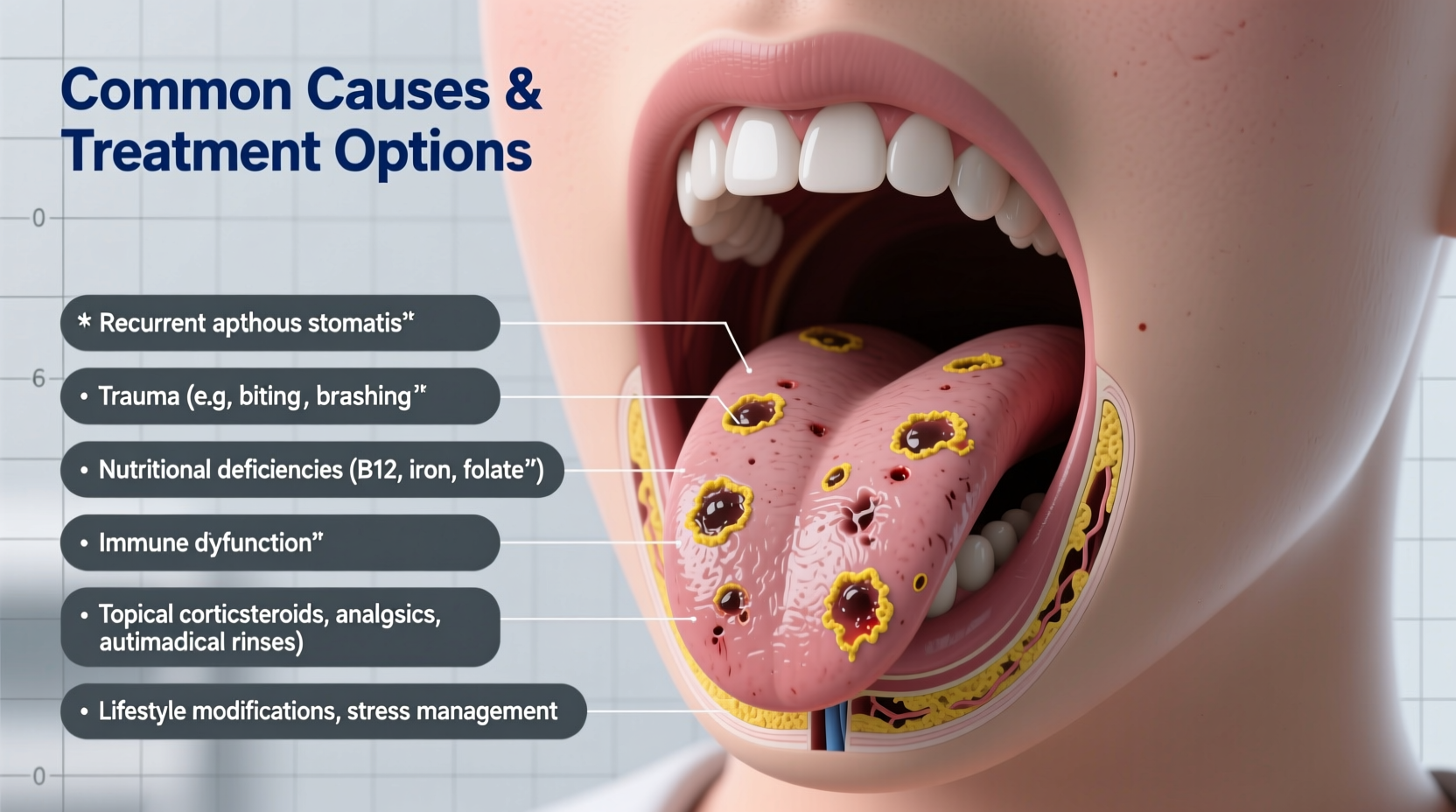
Several factors can lead to the development of sores beneath the tongue. Some are minor and self-limiting; others may require diagnosis and treatment by a healthcare provider.
- Canker sores (aphthous ulcers): These small, shallow lesions are among the most frequent causes. They appear as white or yellowish sores surrounded by a red halo and are not contagious.
- Trauma or injury: Accidental bites, irritation from braces or sharp teeth, or overzealous brushing can damage delicate oral tissues.
- Viral infections: Herpes simplex virus (HSV-1) can cause cold sores that sometimes develop under the tongue. Coxsackievirus, responsible for hand, foot, and mouth disease, also triggers oral sores in children and occasionally adults.
- Nutritional deficiencies: Low levels of vitamin B12, iron, zinc, or folate are linked to recurrent mouth ulcers.
- Allergic reactions: Sensitivity to certain foods, oral care products, or dental materials can manifest as sores.
- Burning mouth syndrome: A chronic condition causing burning sensations and sometimes ulcer-like discomfort, often related to nerve dysfunction or hormonal changes.
- Oral lichen planus: An autoimmune disorder that produces lacy white patches and open sores inside the mouth.
- Oral cancer: Persistent, non-healing sores—especially those accompanied by lumps, numbness, or difficulty moving the tongue—require immediate evaluation.
Symptoms Associated With Tongue Sores
The appearance and sensation of sores vary depending on the cause. Common symptoms include:
- Pain or burning at the site of the sore
- Visible ulceration—round or oval with a white, gray, or yellow center
- Redness and inflammation around the lesion
- Difficulty eating, drinking, or talking due to pain
- Swollen lymph nodes in severe or infected cases
- Fever (in viral infections like hand, foot, and mouth disease)
In more serious conditions such as oral lichen planus or oral cancer, additional signs may include:
- White, web-like patches that don’t scrape off
- Thickened or hardened areas under the tongue
- Numbness or loss of sensation
- Unexplained weight loss or persistent fatigue
“Any mouth sore lasting longer than three weeks should be evaluated by a dentist or physician to rule out serious pathology.” — Dr. Lena Torres, Oral Medicine Specialist
Treatment Options Based on Cause
Effective treatment depends on identifying the underlying cause. Most minor sores heal independently, but interventions can reduce pain and accelerate recovery.
Canker Sores and Minor Irritation
These typically resolve in 7–14 days. Supportive care includes:
- Topical anesthetics (e.g., benzocaine gels)
- Antimicrobial mouth rinses (e.g., chlorhexidine)
- Corticosteroid lozenges or gels to reduce inflammation
- Over-the-counter pain relievers like ibuprofen or acetaminophen
Viral Infections
For HSV-related sores, antiviral medications such as acyclovir or valacyclovir may be prescribed, especially if outbreaks are frequent. Hand, foot, and mouth disease is managed symptomatically with hydration and fever/pain control.
Nutritional Deficiencies
Blood tests can identify deficiencies in B12, iron, or folate. Treatment involves dietary adjustments or supplements. For example:
| Nutrient | Recommended Daily Intake (Adults) | Dietary Sources |
|---|---|---|
| Vitamin B12 | 2.4 mcg | Meat, fish, eggs, dairy, fortified cereals |
| Iron | 8–18 mg | Red meat, spinach, lentils, tofu |
| Folate (B9) | 400 mcg | Leafy greens, citrus fruits, beans, fortified grains |
Autoimmune or Chronic Conditions
Oral lichen planus may require prescription corticosteroids, immune-modulating gels, or systemic therapy in severe cases. Regular monitoring is essential due to a slight increased risk of oral cancer.
Suspected Oral Cancer
A biopsy is necessary for diagnosis. Treatment may involve surgery, radiation, or chemotherapy depending on stage and location.
Step-by-Step Guide to Managing a Sore Under the Tongue
Follow this timeline to effectively manage and monitor a developing sore:
- Day 1–2: Identify and protect – Note when the sore appeared and any possible triggers (e.g., spicy food, dental work). Avoid irritants and switch to a soft-bristled toothbrush.
- Day 3–5: Begin symptomatic care – Use OTC oral gels, rinse with warm salt water (½ tsp salt in 1 cup water), and maintain hydration.
- Day 6–7: Assess progress – If the sore is shrinking and pain is decreasing, continue care. If it’s enlarging or becoming more painful, consider professional consultation.
- Day 8+: Seek medical evaluation – Any sore persisting beyond 10–14 days warrants examination by a dentist or doctor, especially if there’s no clear cause.
Mini Case Study: Recurrent Sores and Hidden Deficiency
Sarah, a 32-year-old teacher, experienced recurring sores under her tongue every few weeks. Despite using OTC treatments, they kept returning. After her dentist ruled out trauma and infection, blood work revealed a deficiency in vitamin B12 and iron. Sarah followed a supplementation plan and adjusted her diet to include more leafy greens, lean meats, and fortified foods. Within two months, the frequency of sores decreased significantly, and she reported improved energy and overall well-being.
This case highlights how seemingly minor oral issues can point to broader health concerns, emphasizing the importance of thorough evaluation for recurrent symptoms.
Prevention Checklist
Reduce your risk of developing sores under the tongue with these proactive steps:
- ✅ Practice gentle oral hygiene—avoid aggressive brushing
- ✅ Replace toothbrushes every 3–4 months or after illness
- ✅ Stay hydrated to maintain healthy saliva flow
- ✅ Eat a balanced diet rich in vitamins and minerals
- ✅ Avoid tobacco and limit alcohol consumption
- ✅ Schedule regular dental checkups (every 6 months)
- ✅ Manage stress through mindfulness or exercise (stress is a known trigger for canker sores)
Frequently Asked Questions
Can stress cause sores under the tongue?
Yes, emotional or physical stress can trigger canker sores in susceptible individuals. Stress weakens immune regulation in the mucosal lining, making the mouth more vulnerable to ulceration.
Are sores under the tongue contagious?
Most are not. Canker sores and those caused by injury or deficiencies aren’t contagious. However, sores from viral infections like herpes simplex or coxsackievirus can be spread through saliva or close contact.
When should I see a doctor for a tongue sore?
Seek medical advice if the sore lasts more than two weeks, increases in size, bleeds easily, or is accompanied by unexplained weight loss, difficulty swallowing, or a lump in the neck. Early detection is critical if oral cancer is suspected.
Conclusion: Take Action for Oral Health
Sores under the tongue are common but shouldn't be ignored when they recur or persist. Most cases stem from benign causes and respond well to home care, but understanding the warning signs ensures timely intervention when needed. By adopting preventive habits, addressing nutritional needs, and seeking professional guidance when appropriate, you can maintain a healthy mouth and avoid prolonged discomfort.
💬 Have you experienced recurring mouth sores? Share your story or tips in the comments—your insight could help someone find relief.








