Back thigh pain—especially in the posterior region—is a common complaint among athletes, office workers, and weekend exercisers alike. Whether it’s a dull ache after a long run or a sharp twinge when standing up from a seated position, discomfort in the back of the thigh can interfere with daily movement and performance. Understanding the root causes and knowing which treatments are most effective can make a significant difference in recovery time and long-term mobility.
Anatomy of the Back Thigh: What You Need to Know
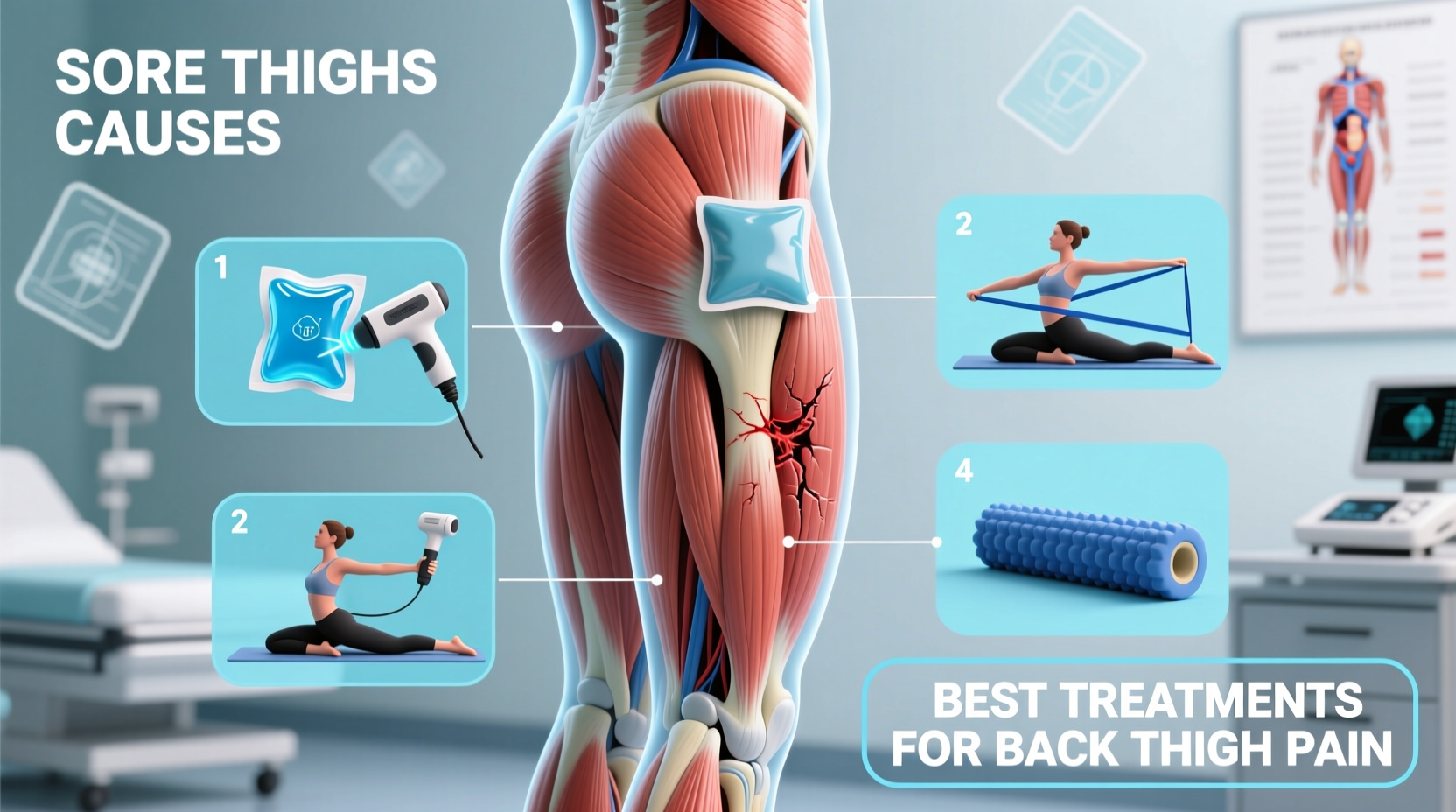
The back of the thigh is primarily composed of the hamstring muscle group—three muscles that run from the pelvis down to the knee: the semitendinosus, semimembranosus, and biceps femoris. These muscles are responsible for bending the knee and extending the hip. Because they cross two joints, hamstrings are particularly vulnerable to strain during explosive movements like sprinting or jumping.
Nearby structures also contribute to posterior thigh sensation. The sciatic nerve runs from the lower back through the buttocks and down the back of each leg, often becoming a source of referred pain. Issues in the lumbar spine or irritation of this nerve can mimic or exacerbate hamstring discomfort.
“Hamstring injuries account for nearly 30% of all muscle injuries in sports. Proper warm-up and progressive loading are critical to prevention.” — Dr. Lena Patel, Sports Medicine Physician
Common Causes of Sore Thighs and Back Thigh Pain
Pain in the back of the thigh isn’t always due to overuse. Several distinct conditions can produce similar symptoms, requiring different approaches to treatment.
- Hamstring Strain: Often caused by sudden acceleration or inadequate warm-up, strains range from mild (Grade 1) to complete tear (Grade 3).
- Sciatica: Compression or irritation of the sciatic nerve leads to radiating pain from the lower back down the leg, often accompanied by numbness or tingling.
- Referred Gluteal Pain: Dysfunction in the gluteus medius or piriformis muscle can refer pain into the upper hamstring region.
- Delayed Onset Muscle Soreness (DOMS): Common 24–72 hours after unaccustomed exercise, especially eccentric movements like downhill running.
- Tendinopathy: Chronic overuse can lead to hamstring tendon degeneration near the sit bone (ischial tuberosity), causing deep, persistent pain when sitting or stretching.
- Poor Posture or Prolonged Sitting: Sitting for extended periods tightens hip flexors and weakens glutes, increasing strain on hamstrings.
Effective Treatments for Back Thigh Pain
Accurate diagnosis determines the right treatment path. However, many cases respond well to conservative care, especially when addressed early.
Immediate Relief Strategies (First 72 Hours)
- R.I.C.E. Protocol: Rest, Ice, Compression, and Elevation help reduce inflammation and swelling, particularly for acute strains.
- Over-the-Counter Medications: NSAIDs like ibuprofen may alleviate pain and inflammation but should not be used long-term without medical advice.
- Gentle Movement: Avoid complete immobilization. Light walking promotes blood flow and healing.
Rehabilitation and Long-Term Recovery
Once acute symptoms subside, focus shifts to restoring strength, flexibility, and neuromuscular control.
| Treatment | Best For | Frequency/Duration |
|---|---|---|
| Static Stretching | Doms, mild tightness | Hold 30 sec, 2–3x/day |
| Eccentric Strengthening | Strains, tendinopathy | 3 sets of 15 reps, every other day |
| Heat Therapy | Chronic stiffness | 15–20 min before activity |
| Soft Tissue Massage | Muscle knots, adhesions | 1–2x/week during recovery |
| Physical Therapy | Moderate-severe strains, sciatica | 2–3 sessions/week for 4–6 weeks |
Step-by-Step Recovery Timeline for Hamstring Strain
Recovery time depends on severity, but a structured approach prevents re-injury.
- Days 1–3: Protect the area. Use crutches if walking is painful. Apply ice for 15 minutes every 2–3 hours.
- Days 4–7: Begin gentle range-of-motion exercises—seated forward bends with a straight back, no forcing.
- Week 2: Introduce isometric contractions (e.g., pressing heel into floor while lying down). Start light cycling if pain-free.
- Week 3–4: Progress to eccentric exercises like Nordic curls (with support). Add glute activation drills.
- Week 5+: Gradually reintroduce jogging, then sprinting. Only return to sport when strength is 90% of the uninjured side.
When to Seek Medical Attention
Most thigh soreness resolves within a few days to weeks. However, certain red flags require prompt evaluation:
- Severe pain that limits walking or standing
- Noticeable bruising or swelling in the back of the thigh
- Numbness, tingling, or weakness in the leg
- Pain that worsens at night or radiates from the lower back
- No improvement after 2 weeks of self-care
In such cases, imaging (MRI or ultrasound) may be needed to rule out a high-grade strain, avulsion fracture, or disc-related sciatica. A physical therapist or orthopedic specialist can design a targeted rehabilitation program.
Mini Case Study: Recovering from a Running Injury
Mark, a 34-year-old recreational runner, experienced sharp pain in his left back thigh during a 10K race. He finished limping and felt a deep ache when sitting. After two days of rest and ice, he consulted a physiotherapist.
Assessment revealed a Grade 2 hamstring strain. Mark followed a six-week protocol: daily gentle stretching, twice-weekly eccentric exercises, and weekly soft tissue therapy. By week five, he began interval walking and slow jogging. At eight weeks, he resumed full training—this time incorporating dynamic warm-ups and regular strength work. One year later, he completed a half-marathon without recurrence.
His key takeaway? “I used to skip warm-ups. Now I spend 10 minutes prepping my glutes and hamstrings. It makes all the difference.”
Prevention Checklist: Keep Your Thighs Strong and Pain-Free
Preventing back thigh pain is more effective than treating it. Use this checklist to stay ahead:
- ✅ Perform dynamic warm-ups before exercise (leg swings, walking lunges)
- ✅ Include eccentric hamstring exercises (Nordic curls, Romanian deadlifts) 2x/week
- ✅ Maintain hip flexibility with regular stretching (seated forward fold, pigeon pose)
- ✅ Strengthen glutes to reduce hamstring overload (bridges, clamshells, lateral band walks)
- ✅ Avoid sudden increases in training intensity or volume
- ✅ Take breaks from prolonged sitting every hour
Frequently Asked Questions
Can sitting too much cause back thigh pain?
Yes. Prolonged sitting shortens hip flexors and lengthens hamstrings under tension, leading to tightness and altered biomechanics. Over time, this increases strain on the hamstring origin and may irritate nearby nerves.
How do I know if my pain is sciatica or a hamstring issue?
Hamstring pain typically localizes to the back of the thigh and worsens with stretching or contraction. Sciatica usually includes burning, tingling, or numbness that travels below the knee, often into the foot, and may be triggered by back movements. A slump test or straight leg raise can help differentiate them—but a professional assessment is recommended.
Are squats bad for sore hamstrings?
Deep squats may aggravate acute hamstring strains or tendonitis due to extreme stretch. However, once healed, controlled squatting strengthens supporting muscles. Modify depth and load during recovery, and prioritize form over weight.
Conclusion: Take Control of Your Thigh Health
Sore thighs and back thigh pain don’t have to sideline you long-term. With accurate understanding of the cause—whether muscular, neural, or postural—you can apply targeted treatments that speed recovery and prevent recurrence. From immediate R.I.C.E. measures to structured rehab and preventive strength training, every step counts toward resilient, functional legs.
💬 Experiencing back thigh pain? Share your story or ask questions in the comments—our community and experts are here to help!








