In an era where emotional well-being and tactile comfort are increasingly valued, the soft potato stuffed animal has emerged not just as a novelty toy, but as a meaningful object of solace, sensory regulation, and playful charm. Despite its whimsical name and humble inspiration, this plush is intentionally designed to offer deep pressure stimulation, reduce anxiety, and serve as a non-intimidating companion for children and adults alike. Far from being merely a joke gift, the soft potato stuffed animal fulfills real psychological and developmental needs—bridging the gap between toy, therapeutic tool, and modern lifestyle accessory.
The rise in popularity of sensory toys, weighted companions, and \"cottagecore\" aesthetics has created fertile ground for the soft potato plush to thrive. Its appeal lies in its simplicity: round, unassuming, and devoid of exaggerated features, it invites touch without demand. This article explores the design, functionality, variations, and practical benefits of the soft potato stuffed animal, offering insight into why such a seemingly absurd concept has become a global phenomenon in homes, classrooms, and therapy spaces.
Definition & Overview
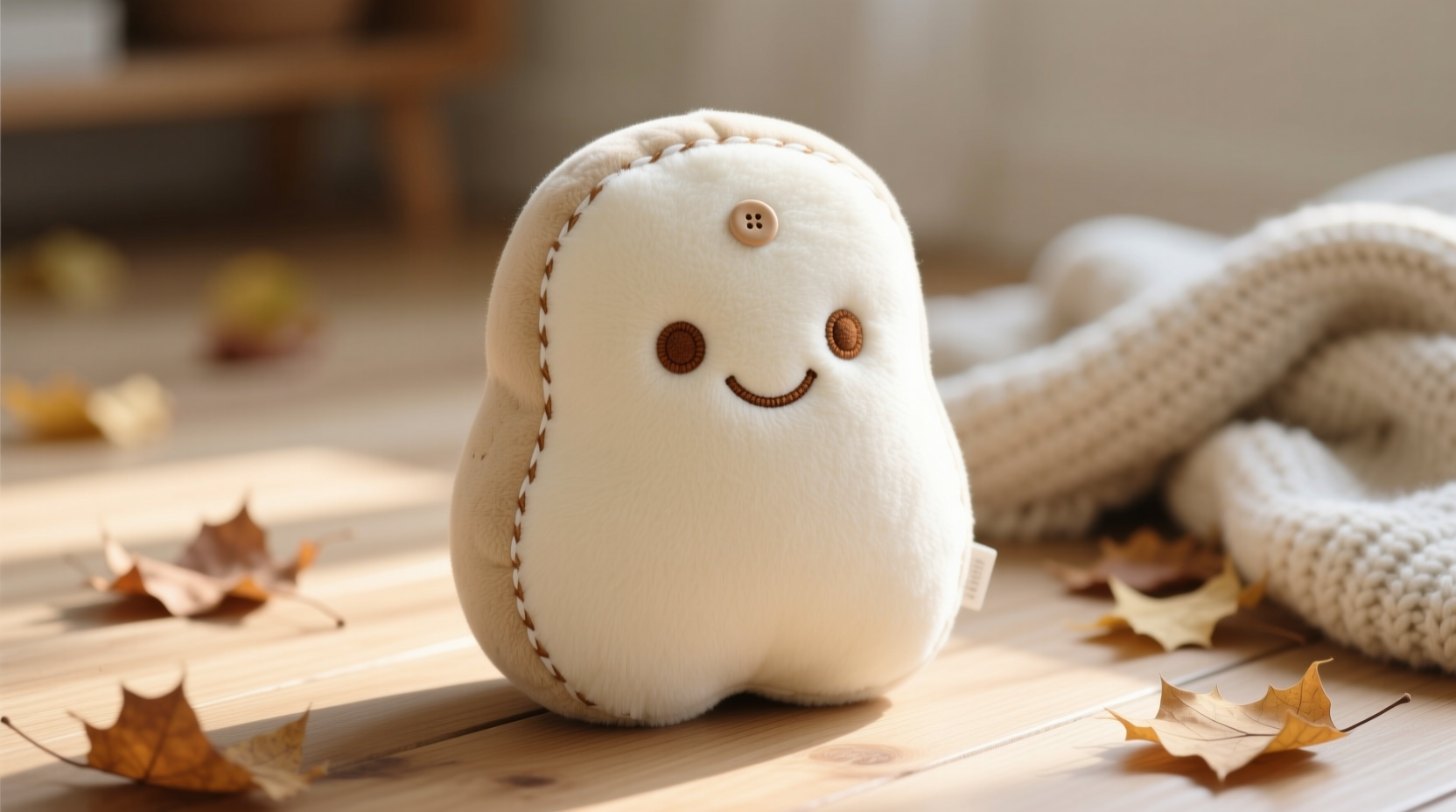
The soft potato stuffed animal is a fabric-based plush toy modeled after a raw, brown-skinned potato. Typically ranging from 6 to 12 inches in diameter, it is crafted from ultra-soft polyester or fleece materials and filled with hypoallergenic polyfill or microbeads to provide gentle weight and squishiness. Unlike traditional stuffed animals that represent animals or fantasy creatures, the potato plush embraces mundanity as its strength—its lack of eyes, mouth, or limbs makes it a neutral, open-ended object for projection, comfort, and tactile engagement.
Originating in East Asian kawaii (cute) culture—particularly South Korea and Japan—the soft potato gained traction through online marketplaces like Etsy, Amazon, and Instagram shops around the mid-2010s. It was initially marketed as a humorous gift but quickly found resonance among occupational therapists, educators, and mental health advocates who recognized its potential for sensory integration. Today, it is used in autism support programs, anxiety management routines, and even corporate wellness initiatives as a tool for grounding and stress relief.
Categorically, the soft potato plush belongs to the broader family of sensory toys and comfort objects. While not edible or culinary in nature—despite the name—it draws symbolic power from the potato’s cultural associations: nourishment, resilience, simplicity, and earthiness. These qualities translate into a design philosophy centered on accessibility, neutrality, and tactile satisfaction.
Key Characteristics
| Characteristic | Description |
|---|---|
| Shape & Form | Oval or round, mimicking a real potato; irregular surface texture for realism. |
| Material | Outer shell: soft polyester fleece or cotton blend; inner fill: polyfill, PP cotton, or microbeads. |
| Weight | Light to medium (4–12 oz), some weighted versions up to 2 lbs for sensory input. |
| Texture | Plush exterior with subtle bumps or stitching to simulate skin; smooth or slightly nubby. |
| Color | Typically tan, beige, or light brown; some feature green patches (simulating sprouts). |
| Sensory Profile | Low visual stimulation, high tactile feedback; ideal for fidgeting, squeezing, or holding. |
| Durability | High if machine-washable; seams should be double-stitched for longevity. |
| Shelf Life | Years with proper care; avoid prolonged sun exposure to prevent fading. |
Practical Usage
The soft potato stuffed animal transcends age and context through its versatility. Its primary function is emotional regulation, but it can also support developmental goals, enhance focus, and foster imaginative play. Below are evidence-informed applications across different environments:
For Children (Ages 3–12)
- Sensory Integration: Used in occupational therapy to help children with autism, ADHD, or sensory processing disorder manage overstimulation. The consistent texture and mild weight provide calming proprioceptive input.
- Transitional Object: Acts as a secure attachment item during bedtime, school drop-offs, or medical visits, reducing separation anxiety.
- Play-Based Learning: Can be incorporated into pretend kitchens, gardening role-play, or storytelling activities to teach nutrition and plant growth.
- Fidget Tool: Squeezing or rubbing the surface helps restless children channel excess energy during quiet tasks like reading or homework.
For Teens and Adults
- Anxiety Relief: Held during panic attacks, social anxiety episodes, or stressful work meetings to promote grounding through touch.
- Desk Companion: Placed on office chairs or desks as a reminder to breathe, stretch, or take breaks—especially effective in high-pressure jobs.
- Therapeutic Aid: Recommended by counselors and psychologists as part of mindfulness or dialectical behavior therapy (DBT) practices.
- Sleep Support: Some users place the potato under their arm or near their abdomen while sleeping to mimic the sensation of being held.
Professional and Educational Settings
- Classroom Calm-Down Kits: Teachers keep potato plushes in “cozy corners” for students needing emotional resets.
- Hospital and Clinic Use: Pediatric wards use them to ease fear before procedures; psychiatric units employ them for de-escalation.
- Corporate Wellness: Companies distribute branded potato plushes during mental health awareness campaigns to normalize emotional self-care.
Pro Tip: Pair the soft potato with breathing exercises. Instruct the user to squeeze it slowly for four counts, hold for four, release for four, and pause for four—a tactile version of box breathing that enhances mindfulness.
Variants & Types
While the classic brown potato remains the most popular, manufacturers have developed specialized variants to meet diverse needs. Choosing the right type depends on intended use, age group, and sensory preferences.
| Type | Features | Best For |
|---|---|---|
| Standard Plush Potato | Soft fleece, lightweight, no facial features. | General comfort, gifting, young children. |
| Weighted Potato | Filled with microbeads or glass beads; typically 1–2 lbs. | Sensory seekers, ADHD, deep pressure therapy. |
| Glow-in-the-Dark Potato | Emits soft light; often used as nightlight companion. | Nighttime anxiety, fear of dark, sleep training. |
| Mini Pocket Potato | 2–4 inches; fits in palm or pocket. | On-the-go calming, discreet use at school/work. |
| Personalized Potato | Custom embroidery (name, date, message). | Gifts, memorials, therapeutic bonding. |
| Organic Cotton Potato | Made with GOTS-certified materials; eco-friendly dyes. | Eco-conscious buyers, sensitive skin. |
| Talking/Sound Potato | Battery-powered chip plays affirmations or giggles. | Encouragement for kids, interactive therapy. |
When selecting a variant, consider whether the user benefits more from passive comfort (standard plush) or active sensory input (weighted or sound-enabled). Weighted versions should never exceed 10% of the user’s body weight and require adult supervision for children under eight.
Comparison with Similar Items
The soft potato is often grouped with other comfort objects, but key distinctions set it apart in terms of design intent and functionality.
| Item | Differences from Soft Potato |
|---|---|
| Stress Ball | Rubber or gel-based; designed for intense squeezing; lacks cuddly appeal; shorter lifespan due to material fatigue. |
| Traditional Stuffed Animal | Represents animals/fantasy beings; may trigger fear in some (e.g., realistic eyes); higher cognitive load for interpretation. |
| Fidget Spinner | Visual and motor-focused; requires coordination; less effective for emotional regulation. |
| Weighted Blanket | Full-body pressure; not portable; impractical for quick access during acute anxiety. |
| Koosh Ball | Textured rubber tendrils; primarily tactile; less suitable for hugging or prolonged holding. |
“The brilliance of the potato plush is in its neutrality. Because it doesn’t look back at you, there’s no pressure to perform emotionally. You can project sadness, joy, or silence onto it without judgment.” — Dr. Lena Cho, Occupational Therapist & Sensory Integration Specialist
Practical Tips & FAQs
How do I clean a soft potato stuffed animal?
Most are machine washable on a gentle cycle with cold water. Use mild detergent and air dry completely to preserve shape and texture. Spot clean stains immediately. Avoid bleach or fabric softener, which can degrade fibers.
Is it safe for toddlers?
Yes, provided there are no small detachable parts. Always check stitching integrity and supervise children under three. Opt for models labeled ASTM F963 or EN71 certified for safety.
Can it help with insomnia?
Indirectly. The act of holding a comforting object can lower cortisol levels and signal safety to the nervous system. Place it near your chest or under one arm to simulate companionship during sleep.
Are there cultural sensitivities around using a potato as a toy?
In general, no. Potatoes are globally recognized as staple foods, and the plush form clearly separates it from waste or disrespect. However, in regions with historical food insecurity, some may view it as tone-deaf. Context matters—use discretion in educational or humanitarian settings.
What age is appropriate for a soft potato plush?
Recommended for ages 3+ due to choking hazards from seams or tags. However, teens and adults constitute over 40% of buyers, according to retail analytics from major online platforms.
How does it compare to a therapy putty or squeeze ball?
Therapy putty offers resistance training for fine motor skills, while squeeze balls target grip strength. The potato plush emphasizes emotional connection and passive comfort rather than physical exertion, making it complementary rather than interchangeable.
Can I make my own soft potato stuffed animal?
Yes. DIY kits are available, or you can sew one using oatmeal-colored fleece, polyfill, and basic sewing tools. Templates can be found online. Adding lavender sachets inside the fill provides aromatherapy benefits.
DIY Checklist:
1. Cut two oval potato shapes from fleece.
2. Sew edges together, leaving a 2-inch gap.
3. Turn right-side out.
4. Fill with polyfill (add dried lavender for scent).
5. Hand-stitch opening closed.
6. Optional: Embroider tiny brown dots for realism.
Summary & Key Takeaways
The soft potato stuffed animal is far more than a meme or passing trend. It represents a thoughtful convergence of design, psychology, and emotional intelligence. By embracing the ordinary, it becomes extraordinary in its ability to comfort, regulate, and connect.
- The soft potato plush is a sensory-friendly, non-anthropomorphic comfort object ideal for emotional regulation.
- Its minimalist design reduces cognitive load, making it accessible to neurodivergent individuals and those with anxiety.
- Variants include weighted, mini, glow-in-the-dark, and organic options tailored to specific needs.
- It outperforms many traditional stress-relief tools in portability, durability, and emotional neutrality.
- Safe for most ages when properly constructed, and easily cleaned or handmade.
- Used in homes, schools, clinics, and workplaces as both a practical tool and symbol of self-care.
In a world that often feels overwhelming, the soft potato reminds us that healing can come in simple forms. Sometimes, all we need is something round, soft, and unjudging to hold onto.
Have you tried a soft potato stuffed animal? Share how it’s helped you or someone you care about—sometimes the humblest objects carry the deepest comfort.









