
Pet clothing has evolved from a novelty to a functional necessity for many pet owners. Whether it’s a cozy sweater for winter walks or a stylish raincoat for wet days, these garments protect pets from weather extremes and allergens. However, unlike human apparel, pet clothes endure unique challenges: fur, drool, dirt from outdoor play, and frequent washing cycles. Without proper care, delicate fabrics can fray, shrink, or lose their shape quickly. Preserving these items isn’t just about appearance—it extends usability, reduces waste, and saves money over time. The right cleaning approach balances hygiene with fabric longevity.
Understanding Pet Clothing Materials
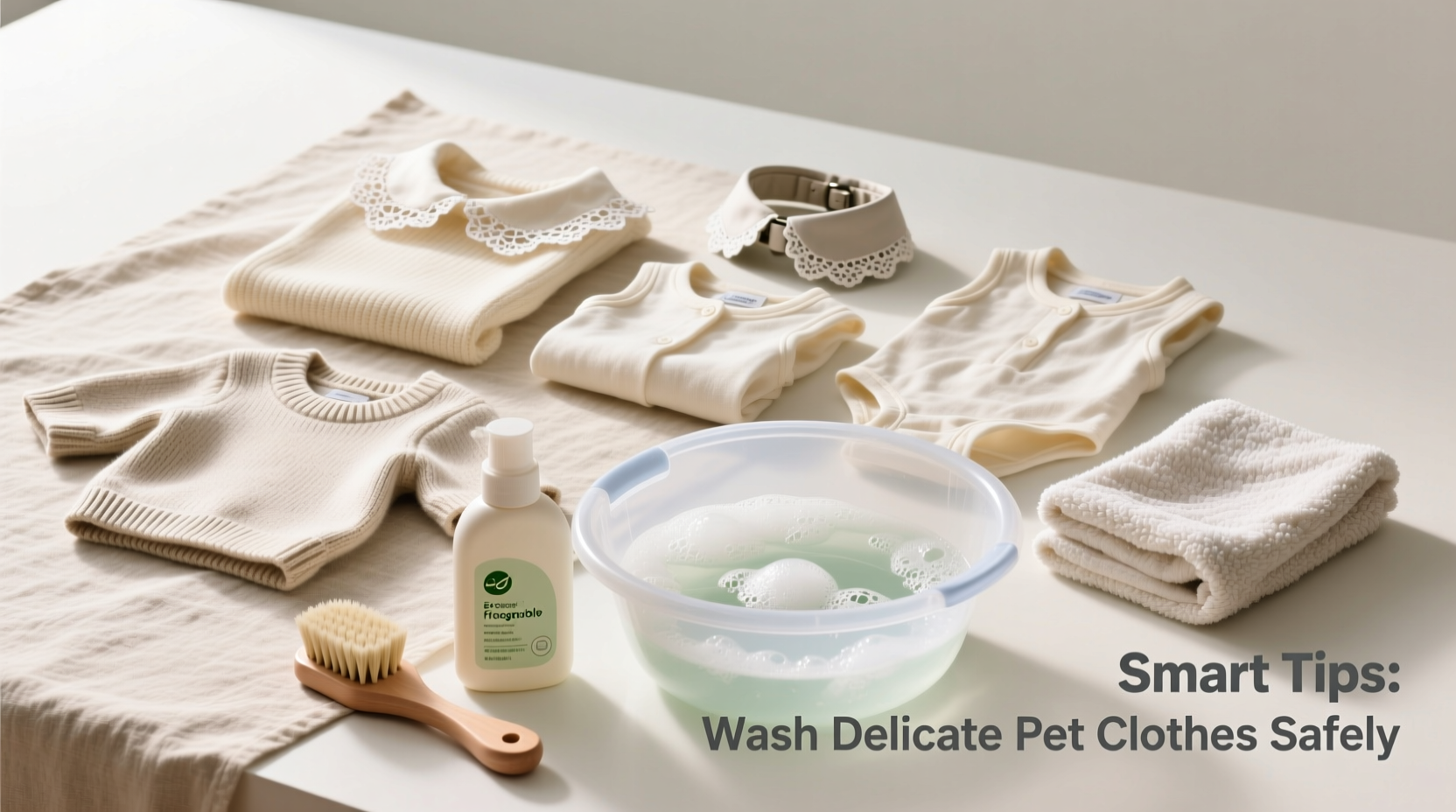
Before washing any garment, identifying the fabric type is essential. Most pet clothes are made from blends designed for flexibility and comfort, but they vary widely in durability and sensitivity.
- Cotton: Breathable and soft, ideal for everyday wear. Machine washable but prone to shrinking if dried at high heat.
- Fleece: Lightweight and warm, excellent for cold weather. Resists moisture but can pill with abrasive washing.
- Polyester blends: Durable and quick-drying, often used in raincoats. Resistant to mildew but may trap odors without thorough rinsing.
- Wool: Natural insulation, great for arthritic pets. Requires hand-washing and flat drying to prevent felting.
- Lace or knitted trims: Found on decorative outfits. Extremely fragile—best cleaned gently by hand.
Misidentifying fabric types leads to damage. Always check labels; when absent, assume delicacy and err on the side of caution.
Tip: When in doubt, test a small, hidden area with water and mild detergent before full washing.Step-by-Step Guide to Washing Pet Clothes Safely
Effective cleaning doesn’t require harsh chemicals or aggressive methods. A thoughtful routine protects both fabric integrity and your pet’s skin health.
- Pre-Treat Stains Immediately: Use a soft cloth dampened with water and a drop of pet-safe detergent to blot mud, drool, or grass stains. Avoid rubbing, which spreads the stain.
- Shake Out Loose Hair: Before washing, take garments outside and shake vigorously. This prevents hair from clogging machine filters and ensures better water penetration.
- Turn Clothes Inside Out: Protects outer surfaces from abrasion and fading during the wash cycle.
- Use a Mesh Laundry Bag: Especially for small or loosely knit items. This minimizes tangling and stretching.
- Select Cold Water and Gentle Cycle: Heat damages elastic fibers and causes shrinkage. Cold water preserves color and structure.
- Choose Mild, Scent-Free Detergent: Fragrances and dyes can irritate sensitive pet skin. Opt for hypoallergenic formulas labeled safe for babies or pets.
- Air Dry Flat: Never use a dryer. Lay garments on a clean towel away from direct sunlight to prevent UV degradation.
- Inspect After Drying: Check for lingering odors or stiffness. If needed, rewash with vinegar (½ cup) added to rinse cycle to neutralize smells naturally.
When Hand-Washing Is Best
For wool, lace, or heavily embellished pieces, hand-washing is non-negotiable. Fill a basin with lukewarm water and one teaspoon of gentle detergent. Submerge the item, swish gently for 2–3 minutes, then drain and refill with clean water to rinse. Repeat until water runs clear. Press—not wring—excess water using a dry towel.
“Pet clothing sees more biological exposure than most human wearables. Yet, over-cleaning strips fibers. Clean only when necessary, and always prioritize fabric safety.” — Dr. Lena Torres, Veterinary Dermatologist & Pet Product Advisor
Do’s and Don’ts: Quick Reference Table
| Do’s | Don’ts |
|---|---|
| Wash after every 3–5 wears or immediately after soiling | Leave wet clothes bunched up—mildew grows within hours |
| Use unscented, dye-free detergents | Use bleach or fabric softeners—they degrade fibers and irritate skin |
| Store clean, dry clothes in ventilated cotton bags | Store in plastic bins—trapped moisture encourages mold |
| Spot-clean between full washes | Machine-dry even “dryable” items—heat weakens seams |
| Repair loose buttons or hems promptly | Ignore snags—they worsen with wear |
Real Example: How One Owner Saved a Favorite Sweater
Sophie, a poodle owner in Vermont, had a hand-knit merino wool sweater her late grandmother made for her dog. After two winters, the sweater began shedding fibers and losing shape. She stopped machine-washing it and instead adopted a new routine: brushing off snow immediately, spot-cleaning stains with diluted castile soap, and hand-washing quarterly. She stored it rolled in a cedar-lined drawer with breathable linen wrap. Three years later, the sweater remains intact, odor-free, and still fits perfectly. Her key insight? “I treat it like a family heirloom now—because it is.”
Checklist: Preserving Pet Clothes Long-Term
Action Checklist:
- ✔️ Inspect each garment for damage before and after washing
- ✔️ Remove all detachable accessories (badges, bows) before laundering
- ✔️ Pre-treat visible stains within 24 hours
- ✔️ Wash similar colors and materials together
- ✔️ Air dry away from radiators and windowsills
- ✔️ Fold knits; hang structured coats on padded hangers
- ✔️ Rotate seasonal clothes monthly to prevent compression creases
- ✔️ Label storage bins clearly by pet and season
Frequently Asked Questions
How often should I really wash my pet’s clothes?
Outerwear like raincoats should be washed after every muddy outing. Everyday sweaters or shirts worn indoors can go 3–5 uses unless visibly soiled or smelly. Over-washing accelerates wear, especially on elastic cuffs and collars.
Can I use human baby detergent on pet clothes?
Yes, most fragrance-free baby detergents are safe. However, avoid those with optical brighteners or moisturizing lotions, as they can leave residues that attract dirt. Look for plant-based, biodegradable options specifically marketed as gentle.
What if the clothes still smell after washing?
Odors usually stem from trapped bacteria in synthetic fibers. Rewash with one cup of white vinegar in the rinse cycle—no detergent needed. Vinegar breaks down organic residue without damaging fabric. For persistent smells, soak for 30 minutes in a mix of cold water and baking soda (¼ cup per gallon) before rewashing.
Conclusion: Care That Reflects Your Commitment
Preserving your pet’s delicate clothes goes beyond aesthetics—it reflects the same attention to detail you give to your pet’s diet, grooming, and comfort. With mindful washing techniques, proper storage, and timely maintenance, these garments can last multiple seasons, maintaining both function and charm. Every stitch saved is a step toward sustainable pet ownership and lasting sentimental value. Start today by sorting your pet’s wardrobe, checking labels, and setting up a dedicated, gentle laundry routine. Your pet may not thank you in words, but their snug, well-dressed presence will say it all.
💬 Have a favorite method for keeping pet clothes fresh? Share your tip in the comments and help fellow pet lovers extend the life of their furry friends’ wardrobes!








