As temperatures rise, many pet owners turn to dog clothing not just for style but for protection against heat, UV rays, and irritants. However, dressing your dog in the wrong fabric or ill-fitting garment can do more harm than good—trapping heat, causing chafing, or restricting movement. The key is choosing summer-specific apparel designed with breathability, lightweight materials, and functional design in mind. With thoughtful selection, you can enhance your dog’s comfort and safety during hot months without compromising their natural ability to regulate body temperature.
Understand When Your Dog Needs Summer Clothing
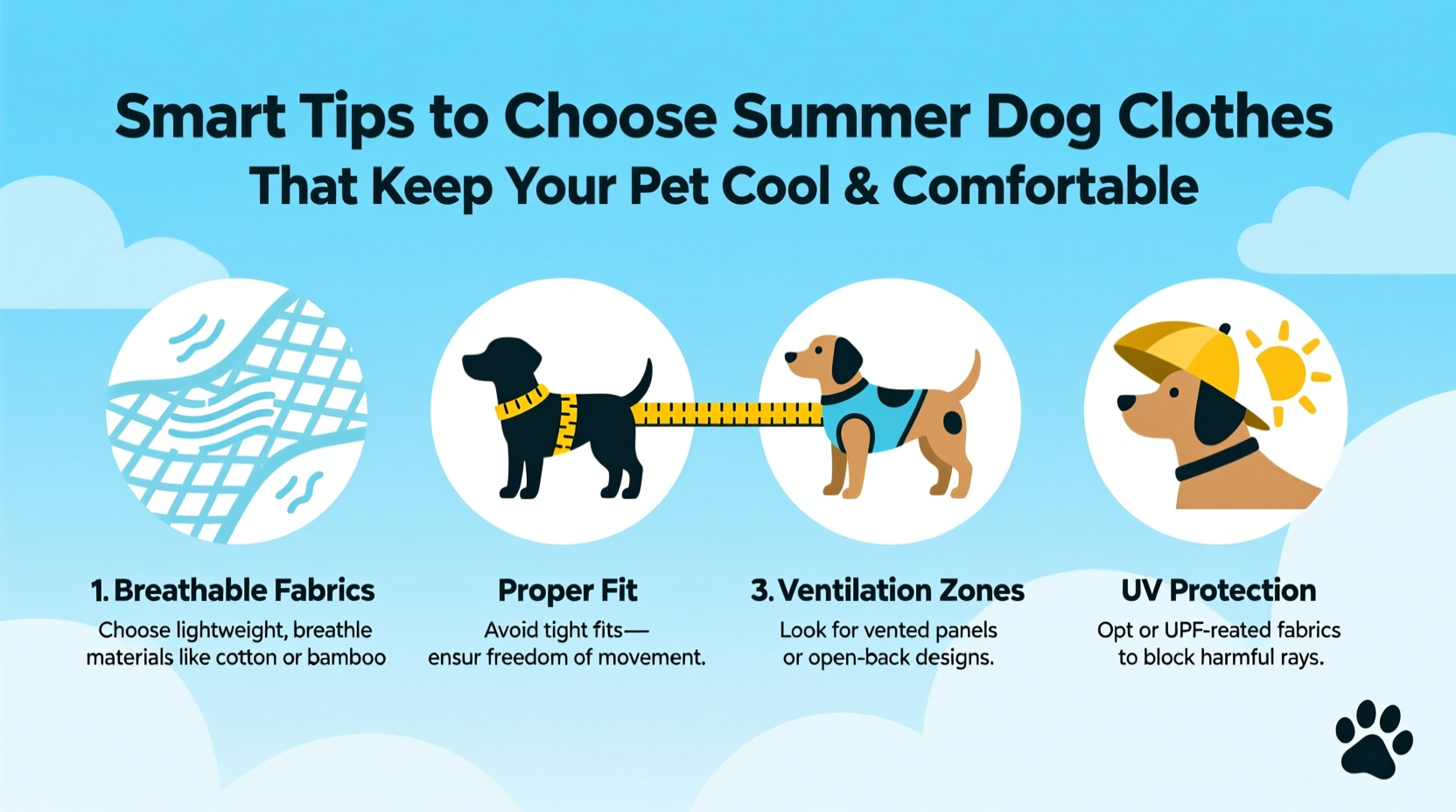
Not all dogs require clothing in warm weather. In fact, most healthy dogs with full coats are naturally equipped to handle moderate summer heat. However, certain breeds and individual circumstances make protective clothing beneficial—or even necessary.
- Short-haired or hairless breeds (e.g., Xoloitzcuintli, Chinese Crested) lack natural insulation against both cold and sun.
- Dogs with light-colored or thin fur are more susceptible to sunburn, especially on ears, noses, and bellies.
- Senior dogs or those with medical conditions may have compromised thermoregulation.
- Dogs spending extended time outdoors benefit from UV-protective gear during peak sunlight hours.
Clothing should never be used as a substitute for shade, hydration, or limiting outdoor activity during extreme heat. It's an added layer of defense—not a solution to overheating.
Tip: If your dog pants heavily, appears lethargic, or resists walking, remove any clothing immediately and seek a cool environment.Choose Breathable, Lightweight Fabrics
The material of your dog’s summer clothing is the most critical factor in maintaining comfort. Unlike winter garments that trap heat, summer wear should promote airflow and wick moisture away from the skin.
Look for these high-performance fabrics:
- Coolmax® or moisture-wicking polyester – pulls sweat away from the skin and dries quickly.
- Bamboo fiber – naturally antimicrobial, soft, and highly breathable.
- Linen blends – excellent ventilation but less durable; best for short outings.
- Nylon-spandex blends with UV protection – ideal for swimwear or sun shirts, offering stretch and water resistance.
Avoid cotton in humid climates—it absorbs moisture but dries slowly, potentially leading to dampness, chafing, or fungal irritation. Similarly, thick fleece, denim, or synthetic rubber-coated materials are inappropriate for summer use.
“Dogs dissipate heat primarily through panting and paw pads. Any clothing must avoid interfering with this process. Lightweight, open-weave fabrics are safest.” — Dr. Lena Torres, Veterinary Dermatologist
Finding the Right Fit: Function Over Fashion
A poorly fitting garment can cause discomfort, restrict movement, or create friction points that lead to sores. Even the most breathable fabric will fail if it’s too tight or shifts during activity.
To ensure a proper fit:
- Measure your dog’s neck, chest (widest part behind front legs), and length from base of neck to base of tail.
- Consult size charts specific to each brand—sizes vary widely.
- Allow two fingers to fit comfortably under any strap or collar opening.
- Check that leg openings don’t rub against armpits or groin areas.
- Ensure freedom of movement: your dog should sit, run, and lie down without restriction.
| Fit Issue | Risk | Solution |
|---|---|---|
| Tight around chest | Restricted breathing, overheating | Size up or choose V-neck design |
| Too long in torso | Chafes belly or hinders rear legs | Select breed-specific cut (e.g., short-back for Bulldogs) |
| Loose straps | Slipping, tripping hazard | Adjust or avoid excess fabric |
| High neckline | Traps heat around neck | Opt for crew or racerback styles |
Real Example: Choosing a Cooling Shirt for a Greyhound
Maria adopted a retired racing Greyhound named Atlas, who has very little body fat and thin skin. During summer hikes, she noticed redness on his back after being outside for 30 minutes. After consulting her vet, she learned he was at risk for sunburn due to his light coat and sparse fur.
She tested three types of summer shirts: a cotton t-shirt (too heavy and clung when wet), a polyester hoodie (overheated him within minutes), and finally a bamboo-fiber UV shirt with mesh side panels. The third option allowed airflow, blocked 98% of UV rays, and stayed cool even in direct sun. Atlas now wears it on all midday walks—and shows no signs of discomfort or skin irritation.
Design Features That Enhance Comfort
Beyond fabric and fit, smart design elements make a meaningful difference in how well a garment performs in heat.
- Mesh ventilation panels on sides or back allow air circulation without sacrificing coverage.
- Reflective stitching or light colors reduce solar absorption—white or pastel shades stay cooler than dark hues.
- Flat seams and tagless labels prevent scratching sensitive skin.
- Quick-dry technology is essential for swimwear or cooling vests that use evaporation.
- Easy-on designs like Velcro closures or stretch necks minimize stress during dressing.
Some innovative products include built-in cooling gel inserts or evaporative technology. These work by absorbing water and releasing coolness as it evaporates—but only when used correctly. They are not substitutes for shade or water and should be re-wetted every few hours.
Tip: Pre-soak cooling vests in cool (not icy) water for 5–10 minutes before applying. Never leave them on for more than 4 hours continuously.Summer Dog Clothing Checklist
Before purchasing or using any summer clothing, verify the following:
- ✅ Made from breathable, lightweight fabric (bamboo, Coolmax®, mesh)
- ✅ Offers UPF 30+ sun protection if worn in direct sunlight
- ✅ Fits snugly but allows two fingers under neck/chest
- ✅ Does not cover paw pads or restrict panting
- ✅ Easy to clean (machine washable preferred)
- ✅ Designed for activity level (e.g., hiking vs. casual walk)
- ✅ Free of dangling strings, bulky zippers, or rough seams
Frequently Asked Questions
Can I leave summer clothing on my dog all day?
No. Limit wear to active outdoor periods—typically 1–2 hours at a time. Remove clothing afterward to let the skin breathe and check for irritation. Never leave clothing on unsupervised dogs, as it can become tangled or chewed.
Do cooling vests really work?
Yes, but only when activated with water and used in shaded, ventilated environments. They rely on evaporation, so they’re ineffective in high humidity or direct sun without frequent re-wetting. They should complement—not replace—shade and hydration.
Is it safe to dress puppies in summer clothes?
Puppies can wear clothing if needed for sun protection, but monitor closely. Their temperature regulation systems are still developing, and they may not signal distress clearly. Use only ultra-light garments for short durations and always supervise.
Make Smart Choices for Safer Summers
Choosing the right summer clothing for your dog isn’t about fashion—it’s about function, safety, and respect for your pet’s physiology. The best summer garments feel nearly invisible to your dog: lightweight, non-restrictive, and barely noticeable during play or rest. By prioritizing breathable fabrics, proper fit, and smart design, you give your dog the benefits of protection without the burden of discomfort.
Start by assessing your dog’s individual needs, measuring accurately, and testing one garment at a time. Pay attention to behavior—any sign of agitation, excessive scratching, or reluctance to move means it’s time to adjust or remove the clothing. With the right approach, summer apparel can be a practical tool in your pet care toolkit.
💬 Have a tip or favorite summer dog brand? Share your experience below and help other pet parents keep their dogs cool and happy all season long!








