Owning a pet brings joy, companionship, and responsibility—but it also comes with ongoing expenses. From food and treats to grooming tools and medications, pet supply costs can add up quickly. The good news is that saving money doesn’t mean cutting corners on quality. With thoughtful planning and informed choices, you can significantly reduce what you spend while still providing excellent care for your furry, feathered, or scaly friend.
Smart cost-cutting isn't about buying the cheapest option; it's about maximizing value. This means choosing high-quality products at lower prices through strategic shopping, preventive care, and long-term planning. Below are proven methods to help you maintain your pet’s health and happiness while staying within budget.
1. Buy in Bulk—But Only When It Makes Sense
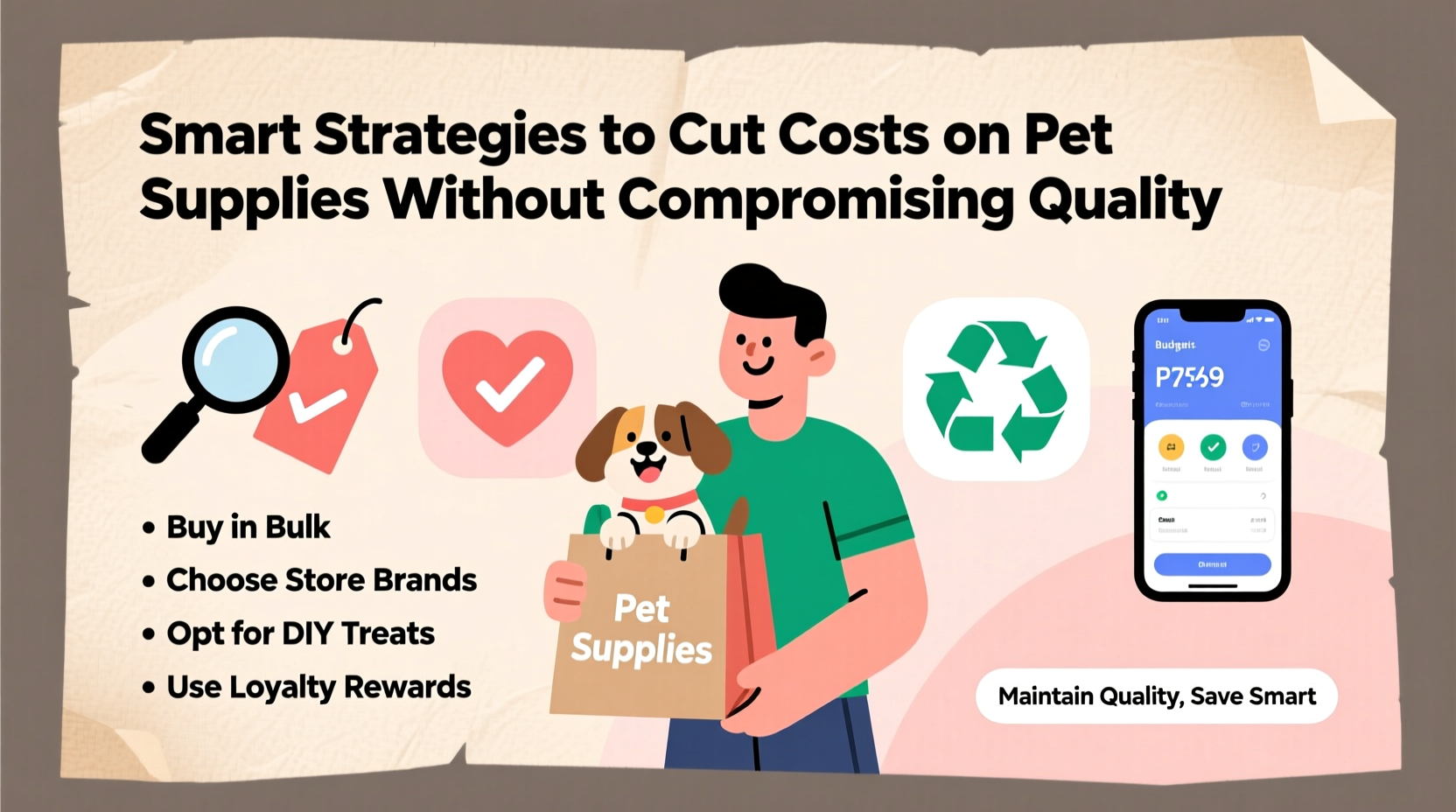
Purchasing pet supplies in bulk can lead to substantial savings over time, especially for non-perishable items like dry food, litter, or durable toys. However, not all products benefit from bulk buying. Perishables such as wet food or supplements may expire before use, reducing overall value.
Tip: Only buy in bulk if you have proper storage and can use the product before its expiration date.Warehouse clubs, online retailers like Chewy or Amazon Subscribe & Save, and local co-ops often offer discounts on large quantities. For example, buying a 30-pound bag of premium dog food every two months instead of multiple smaller bags can save up to 15–20% annually. Just ensure the food remains fresh by storing it in an airtight container away from heat and moisture.
2. Leverage Subscription Services and Auto-Delivery Discounts
Many online retailers offer automatic delivery programs with recurring discounts—often between 5% and 20% off each order. These services ensure you never run out of essentials and eliminate last-minute trips to overpriced convenience stores.
Chewy’s Autoship, Amazon’s Subscribe & Save, and Petco’s auto-ship options allow customization of delivery frequency based on your pet’s consumption rate. You can pause or modify orders anytime, making them flexible and risk-free.
“Auto-delivery isn’t just convenient—it’s one of the easiest ways to lock in consistent savings without changing brands.” — Dr. Lena Torres, DVM and Veterinary Financial Advisor
Pro tip: Stack subscription discounts with first-time buyer promotions or holiday sales for even greater savings.
3. Compare Prices Strategically Across Retailers
Prices for identical pet products can vary widely across stores. A bag of premium cat litter might be $5 cheaper at one retailer than another. Smart shoppers don’t assume their usual store offers the best deal—they compare.
Use price comparison tools like Google Shopping, Honey, or CamelCamelCamel (for Amazon) to track historical pricing trends. Some apps, such as Fetch or Ibotta, even offer cashback on pet purchases when you upload receipts.
| Product | Retailer A Price | Retailer B Price | Savings |
|---|---|---|---|
| Grain-Free Dog Food (24 lb) | $69.99 | $57.99 | $12.00 |
| Clumping Cat Litter (18 lb) | $24.99 | $19.99 | $5.00 |
| Dental Chews (80 count) | $32.99 | $26.49 | $6.50 |
The key is consistency. Stick to trusted brands and formulations recommended by your vet, but always verify you're getting them at the lowest possible price.
4. Prioritize Preventive Care to Avoid Costly Vet Bills
One of the most effective ways to save on pet expenses is avoiding major medical treatments through proactive health management. Routine check-ups, vaccinations, dental cleanings, and parasite prevention are far less expensive than treating advanced illnesses.
A single emergency vet visit for intestinal blockage or infection can cost over $1,500—more than several years’ worth of preventive care. Monthly heartworm preventatives ($10–$20) and flea/tick control ($15–$30) are small investments compared to treatment costs that can exceed hundreds or thousands of dollars.
Tip: Schedule annual wellness exams and ask your vet about bundled preventive care plans, which can reduce overall costs.Mini Case Study: Reducing Long-Term Costs Through Prevention
Sarah, a dog owner in Colorado, started taking her Labrador, Max, for biannual dental cleanings after he developed early gum disease at age five. Instead of waiting until tooth extraction became necessary, she committed to professional cleanings every nine months and daily brushing at home. Over six years, Sarah spent approximately $1,200 on preventive dental care. By comparison, full-mouth extractions and antibiotics would have cost over $3,000—and Max avoided pain and recovery time.
5. DIY Where Safe and Effective
You don’t need to buy every pet product pre-made. Some items can be safely made at home using affordable, natural ingredients. This applies particularly to treats, cleaning solutions, and simple toys.
For instance, dehydrated chicken strips can be made in your oven or dehydrator for a fraction of the cost of store-bought versions. Homemade no-rinse wipes using water, coconut oil, and a drop of pet-safe essential oil can clean paws effectively between baths.
- Homemade Treats: Use plain pumpkin, oats, peanut butter (xylitol-free), and eggs to bake nutritious biscuits.
- Cleaning Solutions: Mix white vinegar and water (1:1) for cage or crate disinfecting.
- Toys: Repurpose old t-shirts into braided tug ropes or knot chew toys.
Always consult your veterinarian before introducing homemade diets or topical products to ensure they’re safe for your pet���s species and health condition.
Checklist: Smart Ways to Reduce Pet Supply Spending
- ✔️ Switch to auto-delivery for recurring essentials and apply subscription discounts.
- ✔️ Compare prices across at least two retailers before purchasing.
- ✔️ Buy non-perishable supplies in bulk with proper storage.
- ✔️ Invest in preventive veterinary care to avoid emergencies.
- ✔️ Make safe, vet-approved treats and cleaning products at home.
- ✔️ Join loyalty programs or cashback apps for additional savings.
- ✔️ Reuse or repurpose durable items like carriers and crates.
Frequently Asked Questions
Is generic pet food safe?
Yes, many store-brand or “value” pet foods meet AAFCO nutritional standards and are formulated similarly to name brands. Look for clear labeling indicating life-stage suitability and consult your vet if unsure. Avoid ultra-cheap brands with vague ingredient lists or excessive fillers.
Can I use human shampoo on my dog?
No. Human skin has a different pH than canine skin, so using human shampoo can disrupt your pet’s natural barrier, leading to dryness, irritation, or infections. Always use a gentle, pet-specific shampoo.
How do I know if a discount product is still high quality?
Check for third-party certifications (like NASC for supplements), read ingredient labels carefully, and look for transparency from the manufacturer. Customer reviews and recommendations from veterinarians are also valuable indicators.
Final Thoughts: Save Smarter, Not Less
Reducing pet supply costs isn’t about skimping—it’s about being strategic. High-quality care and financial responsibility aren’t mutually exclusive. By combining smart purchasing habits, preventive health practices, and selective DIY solutions, you can provide excellent care without overspending.
💬 Start today: Review your next pet supply order and apply one cost-saving strategy—whether it’s switching to autoship, comparing prices, or making homemade treats. Small changes add up to big savings over time. Share your favorite money-saving tip in the comments below!








