For many dog owners, mealtime is a brief event—sometimes lasting mere seconds. Dogs often inhale their food, gulping down kibble in rapid succession. While this may seem harmless, it can lead to digestive discomfort, bloating, and even life-threatening conditions like gastric dilatation-volvulus (GDV), commonly known as bloat. Enter the slow feeder: a specially designed bowl or puzzle-style dish that forces dogs to eat more slowly. But beyond reducing speed, do these devices genuinely support better digestion? The answer lies in understanding how dogs process food, the mechanics of eating behavior, and what veterinary research reveals about feeding pace.
The Science Behind Eating Speed and Canine Digestion
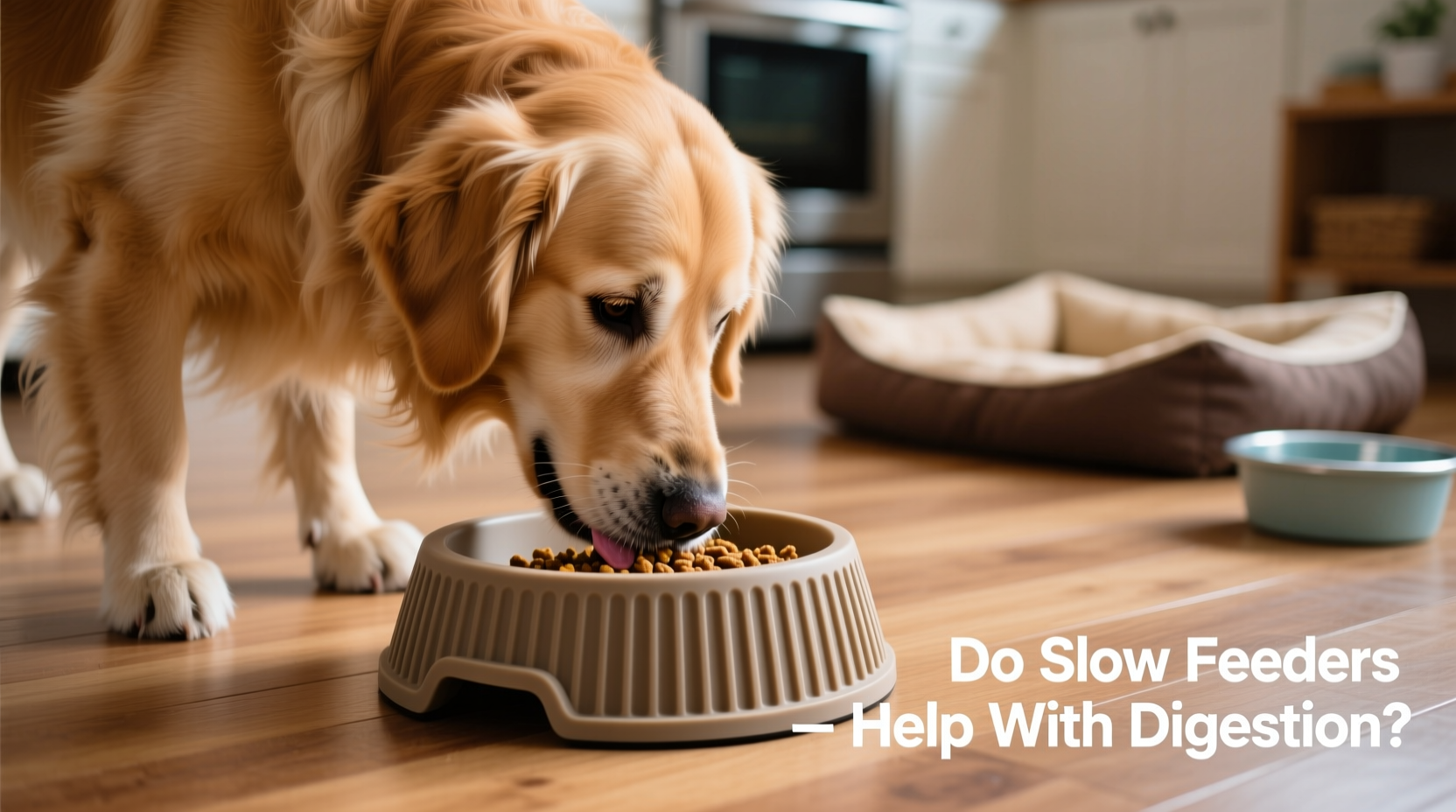
Digestion begins in the mouth. Unlike humans, dogs don’t produce amylase in their saliva, but chewing still plays a crucial role in breaking down food into smaller particles. When a dog eats too quickly, large chunks of kibble enter the stomach undigested, increasing the workload on the gastrointestinal tract. Rapid eating also causes dogs to swallow excess air—a condition known as aerophagia—which can lead to gas, bloating, and discomfort.
Studies have shown that slower eating reduces the risk of GDV, particularly in deep-chested breeds such as Great Danes, German Shepherds, and Standard Poodles. According to research published in the journal *Veterinary Surgery*, dogs that eat rapidly are 2.6 times more likely to develop bloat than those who eat at a moderate pace. Slower consumption allows for more controlled gastric filling and reduces intra-abdominal pressure, both of which are protective factors.
“Slowing down food intake isn’t just about preventing bloat—it supports overall digestive efficiency by allowing enzymes and acids time to work properly.” — Dr. Laura Bennett, DVM, Veterinary Gastroenterology Specialist
How Slow Feeders Work: Design and Functionality
Slow feeders come in various forms: maze-like bowls, elevated platforms with ridges, interactive puzzle feeders, and even treat-dispensing toys. Their core function is mechanical obstruction—they physically prevent dogs from accessing large amounts of food at once. This forces the dog to nudge, paw, or nose food out piece by piece, significantly extending meal duration.
Common designs include:
- Maze bowls: Feature winding channels that trap kibble and require deliberate movement to extract.
- Flower-shaped dividers: Create compartments that isolate portions of food.
- Puzzle feeders: Require problem-solving actions like sliding pieces or rolling balls to release food.
- Elevated slow feeders: Combine height adjustment with internal barriers to promote ergonomic and gradual eating.
These designs don’t restrict food volume—they redistribute access over time. A meal that might take 60 seconds from a flat bowl can last 10 to 20 minutes with a slow feeder, aligning more closely with natural foraging behaviors seen in wild canids.
Tip: Introduce slow feeders gradually. Start by mixing regular bowl feeding with short sessions using the slow feeder to avoid frustration.Direct Benefits for Digestive Health
The primary digestive advantages of slow feeders stem from three key mechanisms: reduced air ingestion, improved mastication (even minimal), and regulated stomach expansion.
Reduced Air Ingestion
Rapid eaters often gulp air along with food. This trapped air expands in the stomach, contributing to discomfort and increasing the risk of torsion in susceptible breeds. By slowing intake, slow feeders minimize aerophagia, leading to less post-meal bloating and burping.
Enhanced Gastric Processing
When food enters the stomach gradually, gastric juices can act more uniformly on smaller batches. This prevents sudden spikes in acidity and promotes consistent enzyme activity. Veterinarians note that dogs fed via slow methods often exhibit firmer stools and fewer episodes of soft stool or regurgitation.
Improved Nutrient Absorption
Though less studied in pets than humans, there’s evidence that prolonged digestion enhances nutrient uptake. When the small intestine receives chyme (partially digested food) at a steady rate, transporters have more time to absorb vitamins, amino acids, and fatty acids efficiently.
“In my clinical experience, switching fast-eating patients to slow feeders has led to measurable improvements in stool quality and reduced vomiting after meals.” — Dr. Marcus Tran, Small Animal Internal Medicine
Behavioral and Cognitive Advantages Beyond Digestion
While the focus is often on physical health, slow feeders also offer mental stimulation. Dogs evolved as foragers, not plate-feeders. Modern feeding practices strip away the cognitive engagement once inherent in hunting and scavenging. Slow feeders reintroduce elements of challenge and reward, which can reduce anxiety, curb boredom-related behaviors, and even aid in weight management by increasing satiety signals.
A 2020 study from the *Journal of Veterinary Behavior* found that dogs using interactive feeders showed lower cortisol levels during meals compared to those eating from standard bowls. Lower stress correlates with improved gut motility and reduced incidence of functional GI disorders.
Case Study: Max, the Labrador Retriever
Max, a 3-year-old male Labrador, had a history of eating his entire meal in under a minute. His owner reported frequent belching, occasional regurgitation, and restlessness after meals. After consultation with a vet, Max was transitioned to a flower-pattern slow feeder. Within two weeks, his post-meal symptoms decreased significantly. Stool consistency improved, and his owner noted he seemed “calmer” after eating. Over time, Max’s body condition stabilized despite no dietary changes—suggesting better metabolic regulation due to slower digestion.
Choosing the Right Slow Feeder: A Practical Checklist
Not all slow feeders are created equal. Effectiveness depends on your dog’s size, breed, temperament, and eating habits. Use this checklist when selecting one:
- ✅ Matches your dog’s muzzle size—too small openings frustrate large breeds.
- ✅ Made from non-toxic, dishwasher-safe materials (stainless steel, food-grade silicone, BPA-free plastic).
- ✅ Easy to clean—deep crevices can harbor bacteria if not properly maintained.
- ✅ Stable base—won’t slide or tip during use.
- ✅ Appropriate challenge level—not so difficult that it discourages eating.
- ✅ Size-compatible with your dog’s daily portion—overfilling defeats the purpose.
Comparison Table: Slow Feeder Types and Best Use Cases
| Type | Best For | Pros | Cons |
|---|---|---|---|
| Maze Bowl | Medium to large breeds, moderate eaters | Simple design, easy to clean, effective slowdown | Limited challenge; may be too easy for clever dogs |
| Flower Divider | Small to medium breeds, anxious eaters | Promotes licking and nudging, calming effect | Harder to clean around petals |
| Puzzle Feeder | High-energy dogs, intelligent breeds | Provides mental stimulation, extends mealtime | May frustrate timid dogs; requires training |
| Elevated Feeder with Obstacles | Dogs with neck or joint issues | Ergonomic posture, combines slow feeding with comfort | Bulkier, takes up more space |
| Treat-Dispensing Toy | Active dogs, portion control needs | Encourages exercise, doubles as toy | Not ideal for full meals, mainly for snacks |
Step-by-Step Guide to Transitioning Your Dog to a Slow Feeder
Switching abruptly can confuse or discourage some dogs. Follow this timeline for a smooth transition:
- Day 1–2: Place the slow feeder next to the regular bowl with treats scattered inside. Let your dog explore it without pressure.
- Day 3–4: Transfer half the meal to the slow feeder. Allow free choice between bowls.
- Day 5–6: Serve the full meal in the slow feeder, but flatten obstructions temporarily (e.g., remove center cone if detachable).
- Day 7 onward: Use the feeder in its intended configuration. Monitor meal duration and behavior.
- Week 2: Adjust based on performance—if your dog skips meals or shows aggression, reassess the difficulty level.
If resistance persists, try placing a few kibbles in your hand first to spark interest, then guide them toward the feeder. Positive reinforcement works best.
Frequently Asked Questions
Can slow feeders help with weight loss?
Indirectly, yes. Slower eating enhances satiety signals from the gut to the brain, helping dogs feel fuller on the same amount of food. Combined with portion control, slow feeders can support healthy weight management by reducing overeating tendencies.
Are slow feeders safe for puppies?
Yes, provided the design suits their size. Puppies benefit from early exposure to slow feeding, especially large-breed pups prone to developmental GI issues. Choose models with wide openings and shallow grooves to accommodate small jaws.
Do all dogs need a slow feeder?
No. Dogs that naturally eat slowly, show no signs of digestive distress, or have medical conditions requiring quick caloric intake (e.g., senior dogs with low appetite) may not benefit. Assess your dog’s individual needs before making the switch.
Conclusion: A Simple Tool with Meaningful Impact
Slow feeders are more than novelty pet products—they are practical tools grounded in veterinary science and behavioral understanding. While not a cure-all, they address a common yet overlooked issue: the consequences of rapid eating. From reducing dangerous bloat risks to improving nutrient absorption and mental well-being, the benefits extend far beyond the dinner bowl.
The evidence supports their role in promoting healthier digestion, especially for fast-eating dogs, deep-chested breeds, and those with sensitive stomachs. When selected thoughtfully and introduced patiently, slow feeders can become a cornerstone of proactive pet care.
🚀 Ready to improve your dog’s digestion and mealtime experience? Try a slow feeder today—start with a simple maze bowl and observe the difference within weeks. Share your journey in the comments below and help other pet parents make informed choices!








