Choosing between a single bowl set and a full dinnerware collection is more than just a matter of preference—it’s a decision that affects your kitchen storage, daily routines, entertaining habits, and even your budget over time. With so many options on the market, from minimalist ceramic bowls to 20-piece porcelain sets, it’s easy to feel overwhelmed. The real question isn’t just about aesthetics or initial price; it’s about long-term usability, lifestyle fit, and value retention.
For some, a beautifully crafted rice bowl used every morning with tea is enough. For others, hosting holiday dinners means needing eight matching plates, soup bowls, salad dishes, and dessert saucers. Understanding your actual needs—rather than defaulting to what’s marketed as “complete”—can save money, reduce clutter, and elevate your dining experience.
Understanding the Basics: What Defines Each Option?
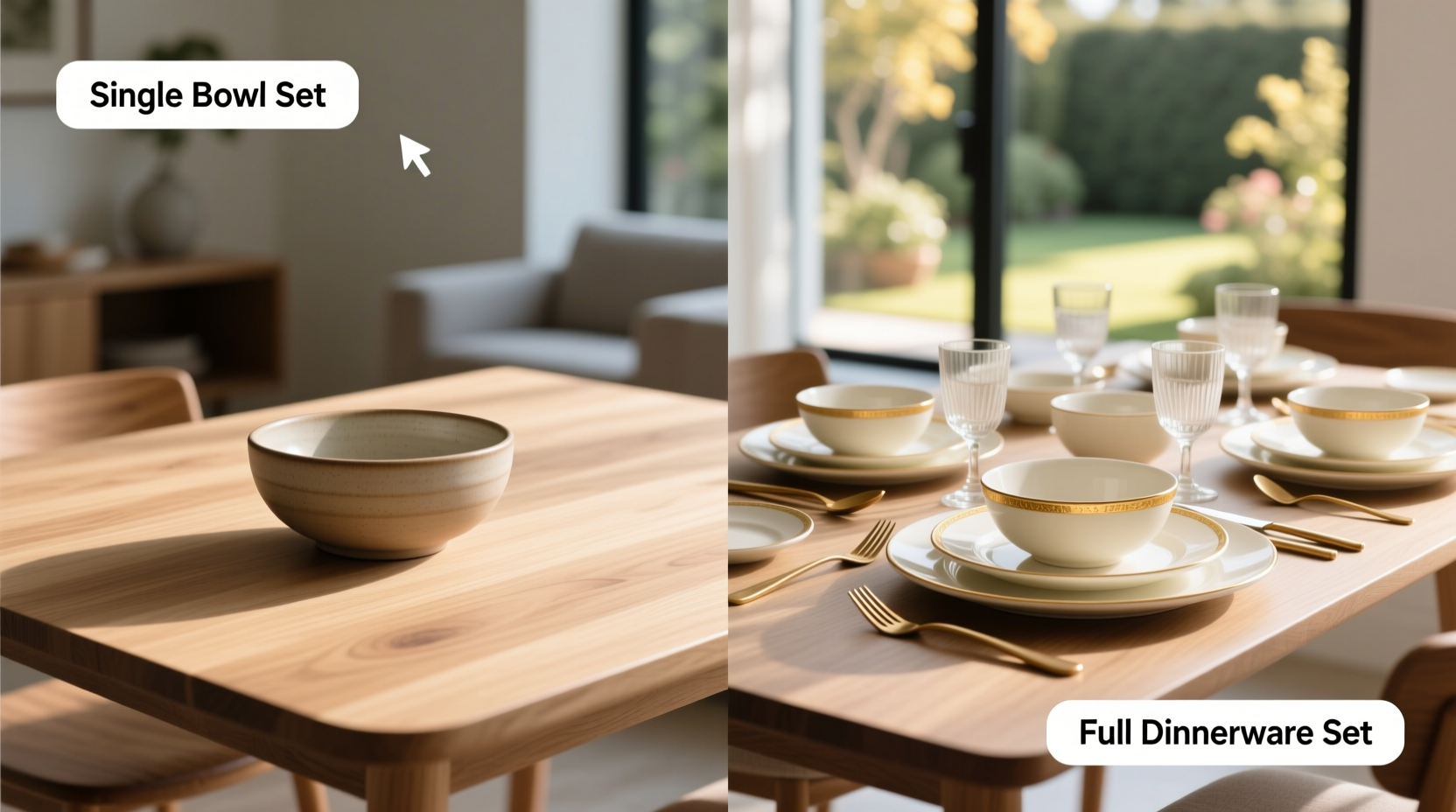
A single bowl set typically refers to a small collection—often 2 to 4 pieces—of identical or complementary bowls designed for casual, everyday use. These are commonly made from ceramic, stoneware, or melamine and are ideal for meals like soups, noodles, grain bowls, or breakfast cereals. They’re popular among individuals, couples, or minimalists who prioritize simplicity and functionality.
In contrast, a full dinnerware set usually includes multiple place settings (commonly 4, 8, or 12) with a variety of dish types: dinner plates, salad plates, soup/cereal bowls, and sometimes even dessert plates and serving platters. These sets aim to cover all dining scenarios, from weeknight dinners to formal gatherings.
The appeal of a full set lies in its completeness and uniformity. Everything matches. But does that always translate to practical value?
Cost Analysis: Upfront Price vs. Long-Term Value
At first glance, full dinnerware sets often appear more economical per piece. A 16-piece set priced at $120 breaks down to $7.50 per item—seemingly cheaper than buying individual bowls at $15 each. However, this math only tells part of the story.
If you rarely serve multi-course meals or entertain large groups, several components of the set may go unused. That salad plate might live in the back of the cupboard for months. In such cases, investing in a full set becomes less about savings and more about paying for items you don’t need.
Conversely, starting with a single bowl set allows you to expand gradually based on real usage. You might later add a charger plate for special occasions or upgrade to a larger dinner plate when your cooking evolves. This modular approach can prevent waste and support mindful consumption.
Tip: Calculate the cost-per-use of dinnerware—if a piece is used once a year, it’s effectively expensive regardless of its sticker price.Space and Storage: Practical Considerations
Kitchen cabinet space is a finite resource. Full dinnerware sets require significant storage capacity, especially if they include serving pieces. For urban dwellers in compact apartments, dedicating half a cabinet to rarely used bread-and-butter plates may not be practical.
Single bowl sets, by design, minimize spatial demands. Their compact footprint suits small kitchens, studio living, or secondary homes. Moreover, fewer pieces mean easier organization and reduced risk of chipping due to overcrowded shelves.
That said, if you frequently host guests or have a large household, having enough dishes on hand avoids constant washing during meals. In such cases, the space trade-off may be justified.
Comparison Table: Single Bowl Sets vs Full Dinnerware
| Factor | Single Bowl Set | Full Dinnerware Set |
|---|---|---|
| Initial Cost | $15–$60 | $80–$300+ |
| Pieces Included | 2–4 bowls | 16–48+ pieces |
| Storage Needs | Minimal | Moderate to High |
| Versatility | High (multi-meal use) | Moderate (role-specific) |
| Suitability for Entertaining | Limited | Excellent |
| Long-Term Flexibility | High (easy to mix/match) | Low (dependent on pattern continuity) |
| Lifespan & Replacement | Easy to replace individual items | Hard to match discontinued patterns |
Real-Life Scenario: Two Households, Two Choices
Consider Sarah, a freelance designer living alone in a downtown loft. She eats most meals at her kitchen island, often straight from a wide-rimmed ceramic bowl—breakfast oats, lunch salads, and evening ramen. She owns a 4-piece matte gray bowl set that fits her aesthetic and routine perfectly. When friends visit, she uses mismatched vintage plates she’s collected from thrift stores. Her approach saves space and reflects her personal style without excess.
On the other hand, James and Maria have three children and host extended family every holiday. They invested in a durable 20-piece white porcelain set because they need consistency and quantity. Matching plates create a cohesive table setting, and having extras accounts for inevitable chips and breakage. For them, the full set isn’t just convenient—it’s necessary.
“People buy dinnerware sets thinking they’re saving money, but the real savings come from buying what you actually use.” — Lena Torres, Home Organization Consultant
When a Single Bowl Set Makes Sense
- You live alone or with one other person.
- Your meals are simple and bowl-centric (grain bowls, soups, etc.).
- You value minimalist design and uncluttered spaces.
- You enjoy mixing textures and styles rather than matching everything.
- You’re on a tight budget and want to start small.
When a Full Dinnerware Set Is Worth It
- You regularly host dinners with four or more guests.
- You prefer formal or coordinated table settings.
- You want to avoid purchasing pieces piecemeal over time.
- You receive the set as a gift (e.g., wedding registry).
- You prioritize convenience and uniformity over customization.
Step-by-Step Guide: Choosing the Right Option for Your Lifestyle
- Assess your household size and dining habits. How many people eat together daily? Do you cook full plates or bowl meals?
- Evaluate your storage capacity. Measure your cabinets. Can you realistically store 20+ pieces without crowding?
- Track your current dish usage. For two weeks, note which dishes you use and how often. Identify gaps or redundancies.
- Determine your entertaining frequency. Host monthly? Yearly? Rarely? Match your purchase to real-world demand.
- Set a budget and explore modular options. Start with a core set (like four bowls), then add specialized pieces only when needed.
- Choose durable, timeless materials. Opt for chip-resistant stoneware or vitrified porcelain that will last, regardless of your choice.
Checklist: Before You Buy Any Dinnerware
- ☐ Confirm dishwasher and microwave safety
- ☐ Check return policy in case of damage or dissatisfaction
- ☐ Verify if individual pieces can be purchased later
- ☐ Assess weight and comfort—will you enjoy using them daily?
- ☐ Match the style to your existing kitchen decor
- ☐ Test for edge durability—rounded rims resist chipping better
Frequently Asked Questions
Can I mix a single bowl set with other dishes?
Absolutely. Many modern eaters intentionally combine textures and colors for an eclectic, curated look. As long as the bowls are similar in height and diameter, they’ll function well together on a table.
What happens if I break a piece in a full set?
This is a common concern. Manufacturers often discontinue patterns within a few years, making replacements difficult. Some brands offer “open stock” programs where you can buy individual items, but not all do. Always check availability before committing.
Are single bowl sets suitable for formal meals?
They can be, depending on material and presentation. A high-quality handmade stoneware bowl served with care can elevate a meal. However, if your definition of “formal” includes multiple courses on specific dish types, you’ll likely need additional pieces beyond a basic bowl set.
Final Thoughts: Prioritize Use Over Completeness
The decision between a single bowl set and a full dinnerware collection shouldn’t hinge on tradition or marketing slogans. It should reflect how you actually live. Owning fewer, well-loved pieces that align with your routine is often smarter than accumulating a closet full of underused dishes.
There’s no universal rule that says you must own eight matching dinner plates. What matters is whether your tableware supports your lifestyle—not the other way around. Whether you choose a sleek two-bowl duo or a grand 24-piece ensemble, let intentionality guide your choice.
🚀 Ready to rethink your tableware? Audit your current dishes, define your real needs, and build a collection that serves you—not just impresses guests. Share your dinnerware journey in the comments below!








