Choosing the right toy for a child involves more than just picking something fun—it’s about long-term engagement, developmental value, and safety. Among classic favorites, the simulation horse plush toy and the traditional rocking horse stand out as enduring options. But when it comes to keeping children entertained over time, which one wins? The answer isn’t always straightforward, as both toys offer unique benefits and appeal to different stages of play and imagination.
Understanding the Two Toys
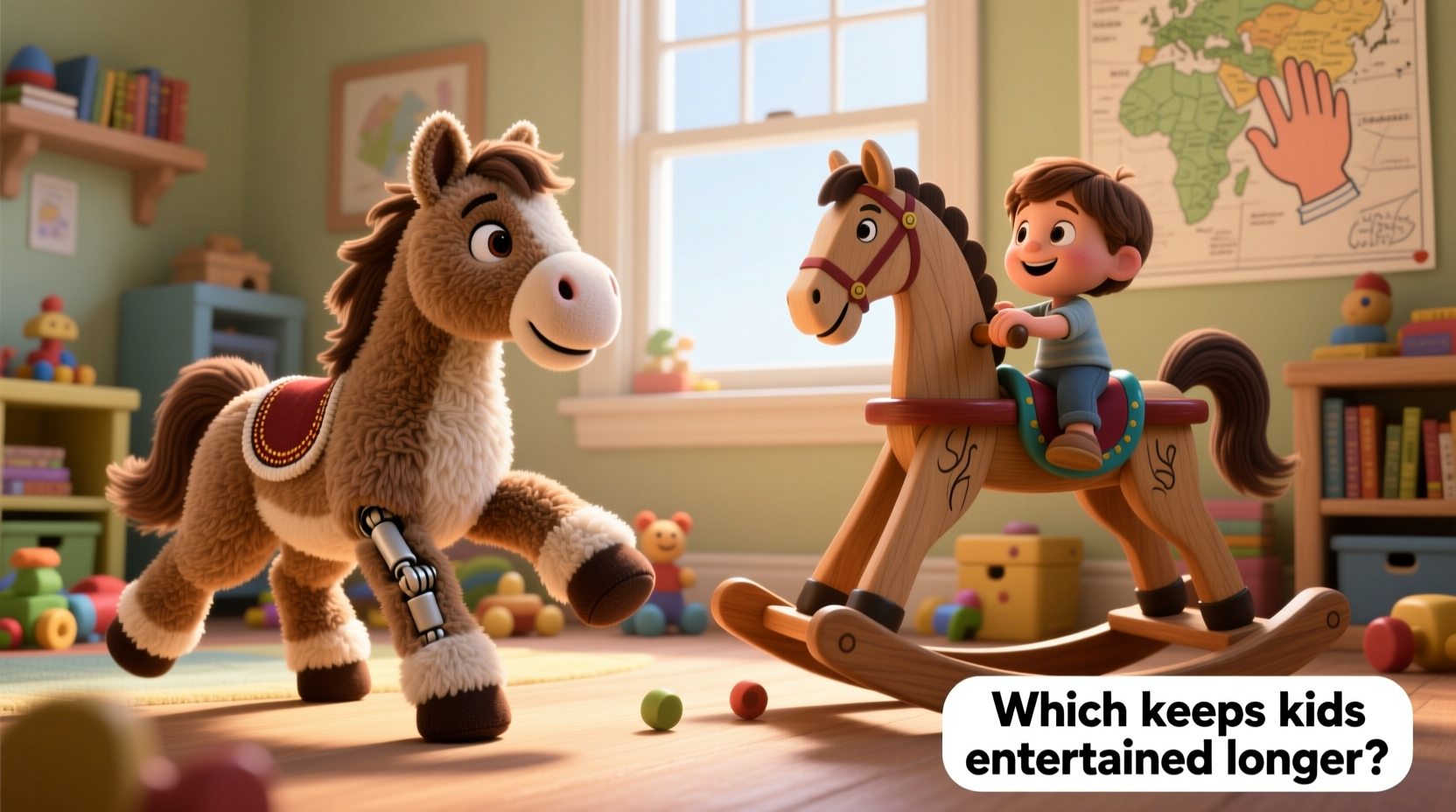
A simulation horse plush toy is typically a soft, lifelike stuffed animal designed to mimic real horses with realistic features such as textured manes, hoof details, and sometimes even sound effects or motion sensors. These plush toys often engage children through tactile interaction and imaginative storytelling.
In contrast, a rocking horse is a wooden or plastic ride-on toy mounted on curved rockers, allowing children to simulate riding a real horse by moving back and forth. It combines physical activity with pretend play and has been a staple in nurseries for generations.
While both tap into the universal childhood fascination with horses, their methods of engagement differ significantly—one appeals primarily to sensory and narrative play, the other to motor skills and physical coordination.
Engagement Duration: What Research and Experience Show
Longevity of entertainment depends on how well a toy sustains interest across developmental milestones. According to early childhood educators, toys that grow with the child tend to remain relevant longer.
The simulation plush toy often captures attention at an earlier age—toddlers enjoy hugging, talking to, and including the plush in daily routines. As cognitive skills develop, children assign roles and storylines to their plush companions, turning them into characters in elaborate fantasy worlds. This imaginative layer can extend use well into the preschool and early elementary years.
Rocking horses, on the other hand, have a narrower window of peak engagement. Most children actively ride them between 18 months and 4 years old. After this period, many outgrow the physical appeal or find the motion repetitive. However, some vintage-style models become decorative heirlooms, occasionally revisited during nostalgic play.
“Children form deep emotional bonds with plush animals because they serve as confidants and co-stars in their imaginative lives. That kind of attachment doesn’t fade quickly.” — Dr. Lila Monroe, Child Development PsychologistTip: Rotate toys every few weeks to renew interest—even familiar ones like plush horses can feel exciting again after a short break.
Developmental Benefits Compared
Each toy supports different aspects of growth:
- Motor Skills: Rocking horses promote balance, coordination, and gross motor development. The rhythmic motion strengthens leg muscles and improves spatial awareness.
- Sensory & Emotional Development: Plush toys provide comfort, reduce anxiety, and encourage nurturing behavior. Soft textures and cuddly forms support sensory integration.
- Cognitive Growth: Both foster pretend play, but plush toys often inspire more complex narratives involving care, adventure, and social dynamics.
- Language Skills: Children who talk to their plush horses develop vocabulary and syntax through self-directed dialogue and storytelling.
Where the rocking horse excels in physical stimulation, the plush toy offers broader psychological and linguistic benefits. For sustained cognitive engagement, the plush model tends to adapt better to evolving play patterns.
Comparison Table: Key Features at a Glance
| Feature | Simulation Horse Plush Toy | Rocking Horse |
|---|---|---|
| Age Range | 6 months – 8+ years | 18 months – 5 years |
| Primary Engagement | Imaginative play, comfort, storytelling | Physical activity, balance, rhythm |
| Mobility Required? | No | Yes (child must sit and rock) |
| Durability | Moderate (fabric wear, stuffing loss) | High (wooden models last decades) |
| Safety Concerns | Minimal (choking hazards if damaged) | Pinning fingers, tipping, falls |
| Storage Space | Compact | Bulky |
| Emotional Attachment Level | Very High | Moderate |
Real-Life Example: Two Families, Two Choices
In Portland, Oregon, two families purchased different horse toys for their 2-year-olds. Emma’s parents chose a high-end simulation plush with soft neighing sounds and a brushable mane. By age 5, she still takes it to bed, assigns it roles in school plays, and uses it to process emotions (“Mr. Whiskers is scared of thunder too”).
Meanwhile, Lucas received a classic maple rocking horse. He rode it intensely for nine months, then gradually shifted to tricycles and climbing toys. The horse now sits in the corner of his room, occasionally used for dramatic play—but far less frequently.
This case reflects a common trend: while physical toys deliver immediate joy, plush companions often integrate into a child’s identity and emotional world, extending their relevance.
Action Checklist: Choosing the Right Toy for Long-Term Fun
Use this checklist to evaluate which option aligns best with your child’s needs and temperament:
- Observe whether your child prefers active movement or quiet, close-contact play.
- Consider available space—rocking horses need room to operate safely.
- Check for safety certifications (ASTM F963, CPSIA compliance).
- Evaluate durability—look for reinforced stitching in plush toys, stable bases in rockers.
- Think long-term: Will this toy still be meaningful in two years?
- Involve your child in the decision if age-appropriate.
- Look for multi-sensory features (sounds, textures, lights) to boost replay value.
When Combining Both Makes Sense
Some parents opt for both toys at different stages. A plush horse introduces the concept of equine companionship early on, sparking interest. Later, a rocking horse translates that fascination into physical play. This progression mirrors natural developmental arcs—from symbolic thinking to embodied action.
Even better, pairing both can create richer play scenarios. A child might “tame” their plush horse before “riding” the rocker, building narrative continuity across toys. This layered approach maximizes engagement duration by supporting evolving play styles.
Frequently Asked Questions
Can a plush toy really keep a child entertained longer than a ride-on toy?
Yes, especially when it becomes part of a child’s emotional ecosystem. Unlike ride-ons, which serve a specific physical function, plush toys evolve with the child’s imagination and can be repurposed in countless ways across years of play.
Are rocking horses safe for toddlers?
Most modern models are safe when used under supervision and on non-slip surfaces. Ensure the base is wide enough to prevent tipping and avoid models with pinch points. Always follow manufacturer age and weight guidelines.
Do interactive plush toys last longer than basic ones?
Not necessarily. While added features like sound or motion increase initial excitement, they also introduce mechanical failure points. Simpler plush designs without batteries often endure longer and maintain charm through pure imaginative use.
Final Thoughts: Value Beyond Entertainment
Entertainment duration isn’t just about how long a toy holds attention—it’s about how deeply it integrates into a child’s world. The simulation horse plush toy often wins in longevity not because it’s more exciting, but because it becomes essential. It listens, travels, pretends, and comforts. It grows quieter with age but never truly retires.
The rocking horse, though iconic and physically enriching, serves a brilliant but finite purpose. Its gallop fades as children move toward bikes, swings, and real-world adventures. Yet its role in developing confidence and coordination remains invaluable.
Ultimately, the best choice may not be one over the other—but understanding which aligns with your child’s current stage and emotional needs.
🚀 Ready to make a lasting impact on your child’s playtime? Choose a toy that grows with them—not just one that entertains today. Share your experience in the comments and help other parents decide between plush magic and rocking tradition.








