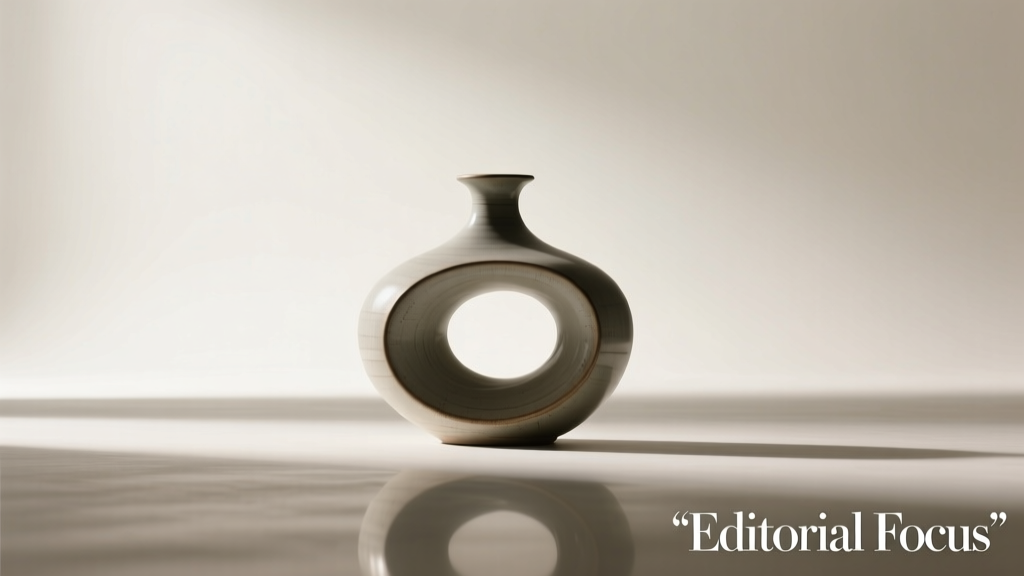
Types of Silica Gel Coaster Bowls and Pads
Silica gel coasters, bowls, and pads are advanced moisture-absorbing solutions designed to protect surfaces, products, and environments from humidity damage. As highly effective desiccants, these items capture excess moisture before it leads to condensation, mold, corrosion, or degradation. Widely used in homes, commercial spaces, and industrial settings, they come in various forms tailored to specific applications. Understanding the differences between these types helps ensure optimal protection across diverse environments.
Silica Gel Coasters
Designed primarily to sit under drinkware, these coasters absorb condensation from cold beverages, preventing water rings and surface damage on tables and countertops.
Advantages
- Prevents water stains and ring marks on furniture
- Available in decorative styles and colors
- Reusable and often refillable with fresh silica gel
- Protects wood, glass, and metal surfaces
Limitations
- Limited moisture capacity per unit
- Requires periodic drying or replacement
- Most effective in indoor, low-humidity environments
Best for: Homes, cafes, offices, dining areas, and hospitality venues
Silica Gel Bowls
Larger, bowl-shaped containers filled with silica gel beads, engineered for high-capacity moisture absorption in enclosed or semi-enclosed spaces.
Advantages
- High moisture absorption capacity
- Ideal for large or sealed environments
- Can be placed in cabinets, storage rooms, or vehicles
- Often includes humidity indicators for monitoring
Limitations
- Bulkier and less portable than pads or coasters
- May require more frequent maintenance in high-humidity zones
- Higher initial cost due to larger gel volume
Best for: Storage rooms, industrial chambers, vehicles, and equipment enclosures
Silica Gel Pads
Thin, flexible sheets embedded with silica gel crystals, ideal for discreet placement in packaging or tight spaces where moisture control is critical.
Advantages
- Ultra-thin and space-efficient design
- Flexible and easy to insert into packages
- Widely used in sensitive product protection
- Cost-effective for mass packaging applications
Limitations
- Lower absorption capacity compared to bowls
- Not reusable in most cases
- Limited to small-scale or enclosed environments
Best for: Shoeboxes, electronics packaging, medical supplies, and retail product inserts
| Type | Absorption Capacity | Common Applications | Reusability | Ideal Environment |
|---|---|---|---|---|
| Silica Gel Coasters | Low to Medium | Bars, homes, restaurants, offices | Often Reusable | Indoor, moderate humidity |
| Silica Gel Bowls | High to Very High | Storage rooms, vehicles, industrial chambers | Fully Reusable | Enclosed, high-moisture areas |
| Silica Gel Pads | Low (per unit) | Packaging, medical supplies, electronics | Rarely Reusable | Tight, sealed spaces |
Expert Tip: To extend the life of reusable silica gel products (especially coasters and bowls), periodically dry them in sunlight or a low-temperature oven (around 120°C/250°F) until the gel returns to its original color—this reactivates its moisture-absorbing properties.
Detailed Applications by Environment
Each type of silica gel product serves a unique role depending on the environment and protection needs:
- Homes & Offices: Coasters are the most popular choice for protecting wooden tables and desks. Their aesthetic appeal makes them suitable for living rooms and conference rooms alike.
- Beverage Establishments: Cafes, bars, and restaurants benefit from durable, easy-to-clean coasters that maintain table appearance and reduce cleaning frequency.
- Industrial & Manufacturing: Large silica gel bowls are deployed in warehouses, storage lockers, and machinery enclosures to prevent rust, corrosion, and electrical failures caused by moisture buildup.
- Automotive & Transportation: Placed under dashboards or in glove compartments, silica gel bowls help prevent fogging on windows and protect sensitive electronics from humidity damage.
- Retail & Logistics: Silica gel pads are inserted into shoeboxes, electronic packaging, and pharmaceutical containers during shipping and storage to ensure products arrive dry and undamaged.
- Medical & Laboratory Settings: Due to strict sterility requirements, silica gel pads are essential in packaging medical devices and sensitive instruments to prevent microbial growth from moisture exposure.
Design of Silica Gel Coaster Bowl Pad
Silica gel coasters, bowls, and pads are more than just functional moisture absorbers—they represent a perfect blend of utility and modern design. While their primary purpose is to maintain dryness by absorbing ambient moisture, these accessories have evolved into stylish decor elements for homes, bars, lounges, and even tech spaces. Thoughtfully designed, they protect surfaces from condensation while enhancing the aesthetic appeal of any environment. The success of these products lies in a balanced approach to material selection, shape, texture, color, and airflow—each contributing to both performance and visual harmony.
Key Design Considerations for Optimal Performance and Aesthetics
Material Composition
Silica gel coasters, bowls, and pads are typically constructed using high-purity silica gel in crystal or bead form, known for its exceptional hygroscopic properties. This desiccant material is often embedded in or mounted on durable bases made of natural materials such as stone, wood, or cork, which not only add weight and stability but also contribute to a premium tactile feel.
Alternatively, porous ceramic is used in some high-end designs, allowing moisture to pass through efficiently while maintaining structural integrity. These materials are selected not only for their moisture-wicking capabilities but also for their sustainability and compatibility with indoor environments. The combination ensures long-term effectiveness and resistance to mold or bacterial growth.
Shape and Functionality
Common shapes include circles, ovals, squares, and rectangles—chosen for their practicality, ease of stacking, and space efficiency. These geometric forms fit seamlessly into most interior layouts and are ideal for everyday use on tables, countertops, or desks.
For decorative purposes, designers often incorporate unique or artistic shapes—such as leaves, animals, or abstract motifs—to complement specific interior themes. Custom-shaped silica gel pads are especially popular in boutique cafes, luxury lounges, and retail displays, where visual appeal is as important as function.
Pattern and Texture
Texture plays a dual role in design: enhancing visual interest and improving moisture absorption. Embossed, engraved, or laser-cut patterns increase the surface area of the silica gel, allowing for faster and more effective condensation capture. These textures can mimic natural elements like wood grain, stone, or fabric, adding a tactile dimension to the product.
For minimalist or commercial settings, smooth and polished finishes offer a sleek, modern look that’s easy to clean and maintain. The choice between textured and plain surfaces often depends on the intended use—textured for high-moisture environments, polished for low-maintenance elegance.
Color and Branding
Color selection is both functional and strategic. Neutral tones like white, gray, and beige blend well with contemporary interiors, while vibrant hues such as ocean blue, earthy green, or sky tones are often used in hospitality settings to reflect brand identity or natural themes.
In tech applications, light-colored pads are preferred to contrast with dark electronics, making them more visible and easier to integrate into workspaces. Importantly, the color should never compromise the visibility of the silica gel itself—many products include transparent or semi-transparent sections to confirm the presence and condition of the desiccant, ensuring users know when reactivation (drying) is needed.
Portability and Placement
Silica gel coasters are inherently portable, lightweight, and easy to move between rooms or take on trips. They are ideal for daily use in kitchens, living rooms, or offices. In contrast, larger bowls and pads are generally stationary due to their size and weight, making them suitable for permanent placement in high-humidity areas like bathrooms, wine cellars, or near indoor plants.
Innovative wearable or fashion-integrated silica gel pads have also emerged—used in smart clothing, bags, or accessories—to protect electronics from moisture in humid climates. These combine utility with personal style, appealing to tech-savvy and design-conscious consumers.
Ventilation and Airflow
Effective moisture absorption relies heavily on proper ventilation. Coasters and bowls are often designed with perforated surfaces, mesh layers, or open-grid patterns to promote air circulation, accelerating the drying process and preventing moisture buildup.
In contrast, solid pads may trap air if not properly ventilated, reducing their efficiency. Designs that incorporate raised edges, breathable fabrics, or internal channels help maintain airflow and prevent stagnation. Good ventilation also reduces the risk of overheating in enclosed spaces where moisture absorption is critical, such as inside cabinets or display cases.
| Design Feature | Functional Benefit | Design Tip |
|---|---|---|
| Material (Silica Gel + Base) | High moisture absorption with added durability | Pair silica gel with natural materials like cork or bamboo for eco-friendly appeal |
| Shape (Geometric vs. Custom) | Efficient space use and aesthetic flexibility | Use standard shapes for home use; custom shapes for themed decor |
| Texture (Textured vs. Smooth) | Increased surface area for absorption or easier cleaning | Textured for bathrooms; smooth for offices |
| Color | Brand alignment and visual contrast | Use transparent windows to show silica gel condition |
| Ventilation | Enhanced drying and reduced stagnation | Incorporate perforations or breathable layers in enclosed designs |
Best Practices in Silica Gel Product Design
Important: Never seal silica gel completely in an airtight, non-ventilated container unless intended for short-term storage. Proper airflow is essential for ongoing moisture absorption. Additionally, avoid painting over the silica gel surface, as this can block its hygroscopic properties and render the product ineffective. Always follow manufacturer guidelines for reactivation and maintenance to ensure long-lasting performance.
Specification & Maintenance of Silica Gel Coaster, Bowl, and Pad
Silica gel coasters, bowls, and pads are versatile moisture-control solutions widely used in both residential and commercial environments. These products help prevent moisture traps, protect surfaces from condensation damage, and extend the lifespan of sensitive electronics, furniture, and stored goods. Designed for durability and efficiency, they are ideal for use in humid climates, storage areas, vehicles, and homes. Understanding their specifications and proper maintenance ensures maximum performance and longevity.
Material Composition
Silica gel products are typically constructed using a combination of highly absorbent desiccant materials and protective outer layers. The core desiccant—usually in crystal or bead form—is enclosed in a breathable yet durable housing that allows moisture vapor to pass through while protecting the gel from physical damage.
- Silica Gel: The primary absorbent material, known for its high surface area and affinity for water vapor. Available in clear, blue, or indicating varieties that change color when saturated.
- Outer Housing: Made from porous ceramics, terracotta, food-grade silicone, cork, or eco-friendly biopolymers. These materials balance breathability with structural integrity.
- Hybrid Designs: Some advanced models, like Breathe Easy’s ceramic car coasters, combine porous ceramic exteriors with silica gel cores for enhanced absorption and aesthetic appeal.
Note: Avoid exposing silica gel to oils or liquids, as this can clog pores and reduce effectiveness.
Size & Design Variants
Silica gel products come in various sizes and shapes tailored to specific applications—from compact coasters for home use to large industrial-grade pads for moisture-sensitive storage.
- Residential Use: Typically range from 2.5 to 4 inches in diameter, ideal for cups, electronics, or small storage containers.
- Commercial/Industrial Use: Larger bowls and pads (up to 8 inches or more) are designed for dehumidifying cabinets, server rooms, or shipping containers.
- Vehicle Applications: Specially shaped coasters fit cup holders and help protect car interiors from humidity and fogging.
Pro tip: Choose size based on the volume of air space needing dehumidification—not just the object being protected.
Weight & Capacity
The weight of a silica gel product correlates directly with its size and the amount of desiccant material inside. Larger units naturally weigh more due to higher gel content, which also translates to greater moisture absorption capacity.
- Absorption Capacity: Standard silica gel can absorb up to 30–40% of its weight in moisture under optimal conditions.
- Performance Leaders: Ceramic-encased models (e.g., Breathe Easy) offer superior absorption due to the dual-action of porous ceramic and silica gel.
- Indicating Types: Blue or color-changing silica gels visually signal when saturation occurs, making maintenance easier.
Key insight: Coasters have lower capacity than bowls or pads but are sufficient for localized protection.
Reusability & Regeneration
One of the most valuable features of many silica gel products is their reusability. Once saturated, they can be dried and restored to full functionality, offering long-term cost savings and environmental benefits.
- Microwave Drying: Suitable for non-metallic, microwave-safe models (typically 2–3 minutes on low heat).
- Oven Regeneration: Place in an oven at 200–250°F (90–120°C) for 2–4 hours until color reverts (for indicating types).
- Sun Drying: Natural method—expose to direct sunlight for several hours; best in dry, warm climates.
Caution: Always follow manufacturer guidelines to avoid melting, cracking, or damaging the housing material.
Maintenance Best Practices
Proper maintenance ensures consistent performance and extends the usable life of silica gel coasters, bowls, and pads. These low-cost, high-efficiency tools require minimal care when handled correctly.
Cleaning & Handling
Regular cleaning prevents dust buildup and maintains breathability. However, moisture exposure during cleaning must be avoided to preserve the desiccant’s function.
- Wipe surfaces with a slightly damp cloth for solid bases (wood, stone, cork).
- For fabric or mesh-covered pads, use a soft brush or dry cloth to remove debris.
- Never immerse in water or clean with wet hands—this introduces moisture prematurely.
- Avoid harsh chemicals or detergents that could degrade the casing or contaminate the gel.
Tip: Clean monthly or whenever visible dirt accumulates to maintain optimal airflow.
Drying & Reactivation
Drying is essential for reusable models, especially bowls and pads used in high-humidity environments. Frequent reactivation keeps the silica gel effective over time.
- Re-dry every 2–4 weeks in humid conditions or when color indicators show saturation.
- Use convection ovens, microwaves (if safe), or prolonged sun exposure depending on product type.
- Ensure complete dryness before returning to service—residual moisture reduces absorption speed.
Best practice: Establish a drying schedule based on usage environment and visual cues.
Replacement Guidelines
Not all silica gel products are reusable. Some disposable versions are designed for single-use applications and should be replaced once saturated.
- Check product labeling: “Disposable” means replace after full moisture absorption.
- Reusable units should be retired if casing cracks, gel leaks, or regeneration fails to restore function.
- For automotive use, consider upgrading to ceramic silica gel coasters for women or universal drivers that combine style, functionality, and durability.
Eco-friendly note: Opt for reusable models to reduce waste and long-term costs.
Storage Tips
When not in active use, proper storage prevents premature saturation and contamination.
- Store in a cool, dry place away from humidity sources like bathrooms or basements.
- Keep in sealed containers or zip-lock bags to minimize ambient moisture exposure.
- Avoid stacking heavy objects on pads or coasters to prevent deformation.
- Label reactivated units with dates to track performance cycles.
Smart habit: Rotate multiple sets between use and drying to ensure continuous protection.
Frequently Asked Questions About Silicone & Silica Products
Welcome to our comprehensive Q&A guide on silicone and silica-based household products. This section addresses common questions about the functionality, maintenance, and differences between various moisture-resistant and durable materials used in everyday items like coasters, bowls, and desiccants. Whether you're looking to improve home organization, extend product shelf life, or choose the right materials for food storage, this guide provides clear, science-backed answers.
Quick Tip: Understanding the difference between silicone (a synthetic rubber used in kitchenware) and silica gel (a drying agent) is key to using these products effectively and safely.
Q1. Are silicone coasters washable?
A1: Yes, silicone coasters are highly washable and easy to maintain. Most are made from food-grade, dishwasher-safe silicone, making them ideal for repeated use. For best results, clean them with warm, soapy water or place them in the top rack of your dishwasher. Their non-porous surface resists stains and odors, ensuring long-term hygiene. Unlike ceramic coasters—which are often designed to absorb moisture and may be marketed as stylish car coasters for men—silicone versions are valued for their flexibility, durability, and resistance to cracking or chipping.
Note: Always check manufacturer instructions before placing silicone items in the dishwasher, especially if they contain embedded materials or decorative elements.
Q2. What is the benefit of putting silica gel in bowls?
A2: Placing silica gel in bowls or containers helps control humidity by absorbing excess moisture from the surrounding air. This is particularly beneficial in enclosed spaces such as storage cabinets, closets, or packaging. Excess moisture can lead to condensation, which promotes mold growth, mildew development, corrosion of metals, and premature spoilage of food, medicines, or electronics. Silica gel acts as a desiccant, maintaining a dry environment and extending the shelf life and integrity of sensitive items.
Pro Tip: Rechargeable silica gel packets can be dried in an oven at low heat (around 200°F for 1–2 hours) and reused multiple times, making them an eco-friendly moisture control solution.
Q3. What does a silicone bowl do?
A3: Silicone bowls are versatile kitchen essentials made from a durable, flexible, and heat-resistant synthetic rubber. Their unique properties—being both unbreakable and rigid enough to hold shape—make them ideal for mixing ingredients, meal prepping, serving food, and storing leftovers. Most silicone bowls are safe for use in the dishwasher, microwave, and freezer, offering unmatched convenience. They often come with lids to seal in freshness and are lightweight, making them perfect for travel or on-the-go meals.
Additionally, their non-stick surface makes cleaning effortless, and their vibrant colors can help with portion control or ingredient organization.
Q4. What is the difference between silica gel and activated charcoal?
A4: While both silica gel and activated charcoal are used for moisture and odor control, they function differently:
- Silica Gel: A non-toxic desiccant that works through adsorption—moisture adheres to its surface at a molecular level. It’s commonly found in small packets placed inside shoeboxes, electronics packaging, and food containers to prevent dampness and prolong shelf life.
- Activated Charcoal (or Activated Carbon): A highly porous material that works through absorption, trapping moisture, gases, and odors within its internal structure. While effective for air purification and odor removal, it is not intended for ingestion unless specifically labeled as food-grade and can be toxic if consumed in large quantities.
In summary, silica gel is primarily a drying agent, while activated charcoal excels at filtering air and removing smells.
| Feature | Silica Gel | Activated Charcoal |
|---|---|---|
| Primary Function | Moisture absorption (desiccant) | Odor and contaminant removal |
| Mechanism | Adsorption (surface binding) | Absorption (internal trapping) |
| Toxicity | Non-toxic (but not edible) | Potentially toxic if ingested |
| Common Uses | Packaging, closets, electronics | Air purifiers, filters, deodorizers |
| Reusability | Yes (via oven drying) | Limited (depends on exposure) |
Q5. How often should silica gel bowls or packs be replaced?
A5: Silica gel in bowls or packets typically remains effective for 1 to 3 months, depending on environmental conditions. In high-humidity areas—such as bathrooms, basements, or tropical climates—replacement or reactivation should occur more frequently, possibly every month. In drier environments, they may last up to three months or longer. Some silica gel products come with color indicators (e.g., turning from blue to pink) to signal when they’re saturated and need to be replaced or recharged.
Expert Tip: To extend the life of silica gel, reactivate it by spreading the beads on a baking sheet and heating them in an oven at 200°F (93°C) for 1–2 hours. This drives out absorbed moisture and restores drying capacity.
Additional Recommendations
- Label containers with silica gel to avoid accidental ingestion, especially around children or pets.
- Use silicone bowls with lids for portion-controlled meal prep and freezer storage.
- Store unused silica gel in airtight containers to preserve effectiveness.
- Choose food-safe silicone products (BPA-free, FDA-approved) for kitchen use.
- Dispose of spent silica gel responsibly—check local recycling guidelines, as some types can be reused or recycled.
Understanding the proper use and care of silicone and silica-based products enhances both convenience and safety in your home. From protecting electronics to preserving food and simplifying kitchen tasks, these materials offer practical, long-lasting solutions when used correctly. Always follow manufacturer guidelines and consider environmental factors like humidity when determining replacement schedules.









