Dogs, like all animals, have natural bodily functions that sometimes require human attention. One such function—often overlooked until problems arise—is the health of their anal glands. These small sacs, located on either side of the anus, produce a pungent secretion used for scent marking. In most cases, the glands empty naturally during defecation. But when they don’t, discomfort, infection, or even abscesses can develop. Recognizing the early signs and knowing how to respond can spare your pet pain and costly vet visits.
Understanding Anal Glands in Dogs
The anal glands, or anal sacs, are two small pouches located at approximately the 4 o’clock and 8 o’clock positions around your dog’s anus. They secrete a thick, oily fluid with a strong odor unique to each dog. This secretion is typically released when a dog passes stool, especially firm stool, which applies pressure to the glands. In wild canines, this serves as territorial communication. Domestic dogs, however, often lack the high-fiber diets and active lifestyles that promote natural expression, making manual intervention more common.
When these glands fail to empty, the fluid builds up, thickens, and becomes a breeding ground for bacteria. Left untreated, impacted glands can lead to infection, swelling, and in severe cases, rupture—requiring surgical drainage and antibiotics.
Key Signs Your Dog Needs Anal Gland Expressing
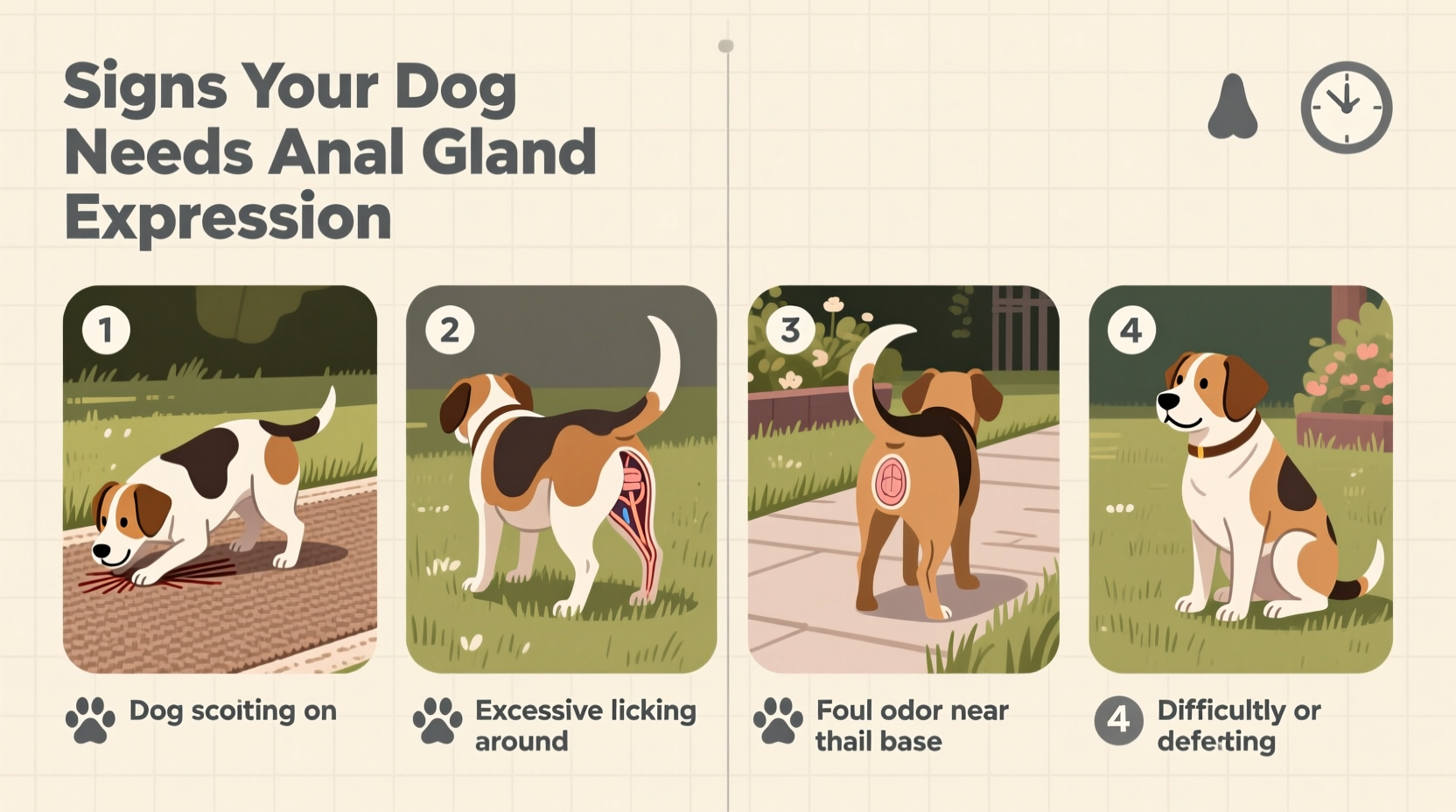
Catching the problem early is crucial. Dogs may not vocalize discomfort directly, but they display clear behavioral and physical cues. Watch for these common signs:
- Scooting: Dragging the rear across the floor is one of the most recognizable signs. It indicates irritation or fullness in the anal area.
- Licking or biting the rear: Excessive grooming around the tail base or underbelly may signal discomfort.
- Swelling near the anus: Visible bulges or redness around the anal region suggest inflammation or impaction.
- Foul odor: A persistent fishy or metallic smell, especially noticeable indoors, often comes from leaking gland fluid.
- Difficulty defecating: Straining, whimpering, or reluctance to pass stool may point to blocked glands.
- Blood or pus: If you notice discharge that’s bloody or yellowish, an infection may already be present.
Step-by-Step Guide to Safe Anal Gland Expression
While many pet owners choose to have a veterinarian or groomer handle expression, some prefer to learn the process at home—especially if their dog is prone to recurring issues. If you decide to proceed, follow these steps carefully:
- Prepare your supplies: Latex gloves, paper towels, a disinfectant wipe, and possibly a warm compress. Have treats ready for positive reinforcement.
- Restrain gently: Place your dog on a non-slip surface. For small dogs, use a table; for larger ones, stand behind them and lift the tail.
- Locate the glands: Insert a gloved finger just inside the anus at the 4 and 8 o’clock positions. You should feel small, pea-sized sacs.
- Apply gentle pressure: Using your thumb externally and your finger internally, apply upward and inward pressure. The goal is to squeeze the fluid out through the ducts.
- Clean thoroughly: Wipe away any expelled fluid immediately. Use a damp cloth or pet-safe wipe to clean the area.
- Monitor afterward: Observe your dog for signs of relief or continued discomfort. If pain persists, consult a vet.
Note: Never force expression if there’s resistance or pain. Doing so can cause tissue damage or worsen inflammation.
Do’s and Don’ts of Anal Gland Care
| Do’s | Don’ts |
|---|---|
| Check your dog monthly for signs of fullness | Wait for scooting before checking |
| Feed a high-fiber diet to promote firmer stools | Give low-quality kibble lacking fiber |
| Express only when necessary and with proper technique | Express too frequently—this can create dependency |
| Seek veterinary help if you see blood or swelling | Attempt to drain an abscess at home |
| Keep your dog at a healthy weight—obesity increases risk | Ignore repeated issues—chronic problems need investigation |
Expert Insight: When to Seek Professional Help
“Recurrent anal gland issues are not normal. If your dog needs expression more than once every three months, there’s likely an underlying issue—such as poor diet, allergies, or anatomical predisposition—that needs addressing.” — Dr. Lena Patel, DVM, Small Animal Specialist
Veterinarians emphasize that frequent manual expression can weaken the muscles responsible for natural emptying, creating a cycle of dependency. If your dog consistently struggles, a deeper evaluation is warranted. Conditions like hypothyroidism, food sensitivities, or chronic soft stools may contribute. Diagnostic tests, dietary changes, or even surgical options (in extreme cases) might be recommended.
Real-Life Example: Max the Beagle
Max, a 4-year-old beagle, began scooting after meals. His owner initially dismissed it as an itch, but within weeks, Max was constantly licking his rear and avoiding sitting down. A visit to the vet revealed severely impacted and infected anal glands. After a round of antibiotics and professional expression, the vet reviewed Max’s diet—he was eating a low-fiber, grain-heavy kibble. Switching to a high-protein, moderate-fiber formula with added pumpkin improved his stool consistency. Over the next six months, Max required no further expression and showed no signs of discomfort. This case highlights how simple dietary adjustments can resolve recurring issues.
Prevention Checklist for Long-Term Anal Gland Health
Proactive care reduces the likelihood of problems. Use this checklist to keep your dog comfortable:
- ✅ Feed a balanced, high-fiber diet or add fiber supplements like canned pumpkin
- ✅ Maintain a healthy weight through regular exercise
- ✅ Monitor bowel movements—firm stools aid natural expression
- ✅ Schedule routine checks during grooming or vet visits
- ✅ Address skin allergies or digestive issues promptly
- ✅ Avoid over-treating with fatty snacks that disrupt digestion
Frequently Asked Questions
How often should I have my dog’s anal glands expressed?
There’s no universal schedule. Some dogs never need it; others may require it every few months. Only express when clinical signs appear or a professional recommends it. Over-expression can lead to irritation and muscle atrophy.
Can I prevent anal gland problems with diet alone?
Diet plays a major role. Dogs with firm, bulky stools are more likely to empty their glands naturally. Adding fiber-rich ingredients like pumpkin, sweet potato, or specialized high-fiber dog foods can make a significant difference.
Is anal gland expression painful for dogs?
When done correctly, it shouldn’t be painful—though it may be uncomfortable, especially if the glands are already inflamed. Infected or abscessed glands are painful and require medical treatment. Always use gentle pressure and stop if your dog shows distress.
Conclusion: Stay Alert, Stay Proactive
Your dog relies on you to notice subtle shifts in behavior and comfort. Anal gland issues are common but entirely manageable with awareness and timely action. By learning the signs, understanding proper care techniques, and working with your vet when needed, you can prevent minor discomfort from escalating into serious health concerns. Don’t wait for visible symptoms—make anal gland health part of your regular wellness routine.
💬 Has your dog experienced anal gland issues? Share your experience or tips in the comments—your insight could help another pet owner avoid a painful situation.








