Dogs don’t speak in words, but they communicate constantly through body language, behavior, and subtle shifts in energy. One of the most misunderstood behaviors—panting—is often mistaken as a sign of happiness. While it can be, panting alone isn’t enough to determine your dog’s emotional state. It may indicate stress, anxiety, or overheating just as easily as joy. Understanding the full picture of canine happiness requires observing multiple signals in context. Recognizing genuine contentment helps strengthen your bond, improves well-being, and allows you to respond appropriately to your dog’s needs.
Why Panting Isn’t Always a Sign of Happiness
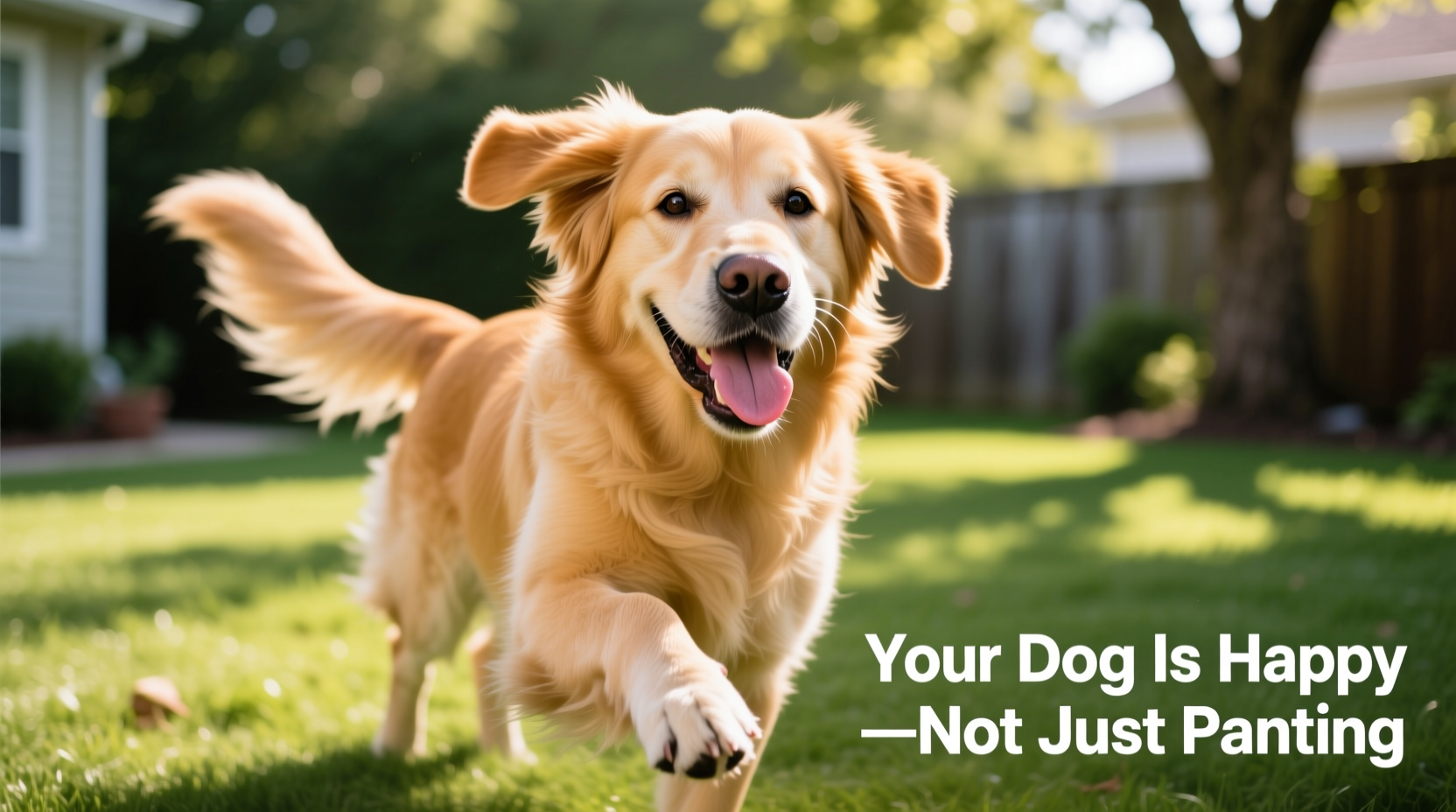
Panting is a physiological response that helps dogs regulate body temperature since they lack sweat glands like humans. After exercise, in hot weather, or during moments of excitement, panting is normal. However, it also occurs when a dog is anxious, fearful, or in pain. A wagging tail combined with rapid, shallow breathing might seem joyful—but paired with tense muscles or avoidance behaviors, it could signal distress.
Veterinarians and animal behaviorists emphasize that interpreting a single cue in isolation leads to misreading emotions. Dr. Karen Overall, a renowned veterinary behaviorist, explains:
“Dogs are masters of mixed signals. What looks like playfulness might be appeasement. What appears to be relaxation could be shutdown. You have to look at the whole dog—the ears, eyes, posture, movement, and environment.” — Dr. Karen Overall, DVM, PhD, Diplomate ACVB
To accurately assess happiness, you must evaluate a cluster of behaviors occurring together in a relaxed context.
Key Body Language Cues That Signal True Happiness
A genuinely happy dog exhibits a combination of physical and behavioral traits. These signs reflect comfort, safety, and positive emotional states. When seen together, they form a reliable profile of contentment.
- Relaxed facial expression: Soft eyes, slightly open mouth with loose lips (not tight or curled), and ears in a neutral position.
- Loose, wiggly body movements: A “happy dance” involving shoulder shakes, full-body wiggles, or playful bows indicates enthusiasm and ease.
- Tail wagging from the base: A wide, sweeping wag originating from the hips—not stiff or high—is strongly associated with positive emotions.
- Play invitations: The classic “play bow” (front legs down, rear end up) is a clear sign of joyful intent and social engagement.
- Voluntary proximity: Choosing to lean against you, rest their head on your lap, or lie nearby without pressure shows trust and comfort.
Contrast this with stress-related panting: faster breaths, tongue curled into a “C,” tense jaw, pinned-back ears, and avoidance of eye contact. In such cases, the dog may still be near you—but their body remains rigid, and their gaze avoids direct engagement.
Tip: Observe your dog after a walk or meal—when they’re calm and safe. Note their breathing, posture, and interactions. This baseline helps identify deviations linked to discomfort.Behavioral Indicators of Long-Term Happiness
Beyond momentary expressions, long-term well-being reveals itself through consistent behavioral patterns. A truly happy dog demonstrates predictable, balanced habits rooted in security and mental stimulation.
| Behavior | Indicates Happiness When... | Caution Signs |
|---|---|---|
| Sleep quality | Dog sleeps deeply, changes positions, dreams visibly (twitching paws) | Frequent waking, restlessness, hiding while sleeping |
| Appetite | Consistent interest in meals and treats | Skipping meals, eating too fast, guarding food aggressively |
| Social interaction | Initiates contact, plays fairly, responds to commands willingly | Avoidance, growling at family members, obsessive attention-seeking |
| Exploration | Sniffing with focus, moving confidently in new environments | Freezing, cowering, refusing to move forward |
| Self-grooming | Regular licking of paws and fur, neat appearance | Excessive licking leading to sores, matted coat |
Dogs thrive on routine, predictability, and meaningful engagement. When these elements are present, behavioral stability follows. Chronic stress, by contrast, manifests as compulsive actions, sudden aggression, or withdrawal—even if the dog appears outwardly calm or continues to pant during interactions.
A Real-Life Example: Max, the Rescue Dog
Max, a three-year-old Border Collie mix, was adopted after spending months in a shelter. Initially, he would greet his new owner with frantic tail wagging and heavy panting. At first glance, he seemed overjoyed. But closer observation revealed tension: his body was stiff, he avoided lying down, and he rarely made eye contact.
Over several weeks, his guardian introduced structured routines—consistent walks, puzzle feeders, and short training sessions using positive reinforcement. Gradually, Max began to display true signs of happiness: flopping onto his side during movie nights, initiating play with a soft toy, and resting his chin on his owner’s knee while sighing deeply.
The turning point came when Max started panting after fetch—but with a loose body, open mouth smile, and repeated play bows. His panting now occurred within a broader context of joy, not anxiety. This shift wasn’t immediate, but it was unmistakable once the full range of behaviors aligned.
How to Encourage Genuine Happiness in Your Dog
Happiness in dogs isn’t passive—it’s cultivated through intentional care, environmental enrichment, and emotional attunement. Here’s a step-by-step approach to fostering authentic well-being:
- Establish Predictable Routines: Feed, walk, and interact at consistent times daily. Dogs feel safest when they know what comes next.
- Provide Mental Stimulation: Use food puzzles, scent games, and obedience drills to engage their minds. A tired brain is a satisfied one.
- Respect Their Boundaries: Allow your dog to choose whether to approach strangers or other animals. Forced interactions erode trust.
- Encourage Play on Their Terms: Not all dogs love fetch. Some prefer tugging, chasing bubbles, or hide-and-seek. Follow their lead.
- Monitor Physical Health: Pain or illness often masquerades as mood changes. Regular vet checkups catch issues early.
- Create Safe Spaces: Designate a quiet area with bedding, toys, and minimal foot traffic where your dog can retreat and relax.
Common Misinterpretations to Avoid
Misreading canine signals is common, especially among well-meaning owners. Below are frequent mistakes and how to correct them:
- Mistaking submission for affection: Licking hands, crouching low, or averting gaze are appeasement gestures, not always signs of love.
- Assuming silence means calmness: A quiet dog may be frozen in fear rather than relaxed.
- Ignoring micro-expressions: Brief lip licks, yawning, or blinking can signal stress even during seemingly pleasant interactions.
- Overlooking context: A dog may wag their tail at the vet—but paired with lowered body and tucked tail, it’s likely nervousness, not joy.
As Turid Rugaas, author of *On Talking Terms with Dogs: Calming Signals*, notes:
“Dogs use over 30 calming signals to communicate discomfort. If we only see the wagging tail and miss the yawn, we fail to hear their full message.” — Turid Rugaas, Canine Ethologist
Checklist: Is Your Dog Truly Happy?
Use this practical checklist to evaluate your dog’s emotional state weekly. Tick off observed behaviors:
- ☐ Relaxed facial muscles and soft eyes
- ☐ Voluntarily lies down in your presence
- ☐ Engages in self-directed play (e.g., tossing a toy)
- ☐ Breathes steadily, even after excitement
- ☐ Seeks out physical contact without clinginess
- ☐ Shows curiosity in new sounds or objects
- ☐ Sleeps soundly through the night
- ☐ Responds to training cues with enthusiasm
- ☐ Exhibits “happy zoomies” (brief bursts of energetic running)
- ☐ Maintains healthy appetite and grooming habits
If fewer than six apply consistently, consider consulting a certified dog behavior consultant. Subtle imbalances can escalate if unaddressed.
Frequently Asked Questions
Can dogs smile when they're happy?
Yes—many dogs display a “submissive grin” or “happy smile” characterized by an open mouth, exposed front teeth, and relaxed eyes. Unlike baring teeth in aggression, this expression includes squinty eyes and a loose body. It often occurs during gentle interactions and is commonly seen in breeds like Boxers and Golden Retrievers.
Is panting after play normal?
Absolutely. Moderate panting following physical activity is a natural cooling mechanism. What matters is recovery: within a few minutes, breathing should slow, muscles should loosen, and the dog should return to a calm state. If panting persists, or if the gums appear pale or blue, seek veterinary advice immediately.
What if my dog never seems excited? Are they unhappy?
Not necessarily. Temperament varies widely. Some dogs are naturally calm or reserved. As long as they eat well, engage socially on their terms, and show no signs of fear or discomfort, they may simply express happiness quietly—through peaceful naps, gentle nudges, or quiet companionship. Compare their current behavior to their own baseline, not to other dogs.
Conclusion: Seeing Beyond the Surface
Recognizing true happiness in your dog goes far beyond watching for tail wags or panting. It demands patience, observation, and a willingness to learn their unique language. When you tune into the full spectrum of their communication—posture, rhythm, choice, and consistency—you build a deeper, more empathetic relationship. Your dog doesn’t need constant excitement to be happy; they need safety, understanding, and the freedom to express themselves without judgment.
💬 Start today: Spend 10 minutes quietly observing your dog without interacting. Note their breathing, ear position, and movement. Share your observations in the comments—what did you discover about your dog’s real mood?








