
Shoulder popping — that snapping, cracking, or grinding sensation during arm movement — is more common than many realize. For some, it’s a harmless quirk; for others, it signals underlying joint stress or injury. While occasional noise without pain may not be concerning, persistent popping accompanied by discomfort, weakness, or limited motion warrants attention. Understanding the root causes, recognizing red flags, and knowing when to seek care can prevent long-term damage and maintain shoulder function.
Common Causes of Shoulder Popping
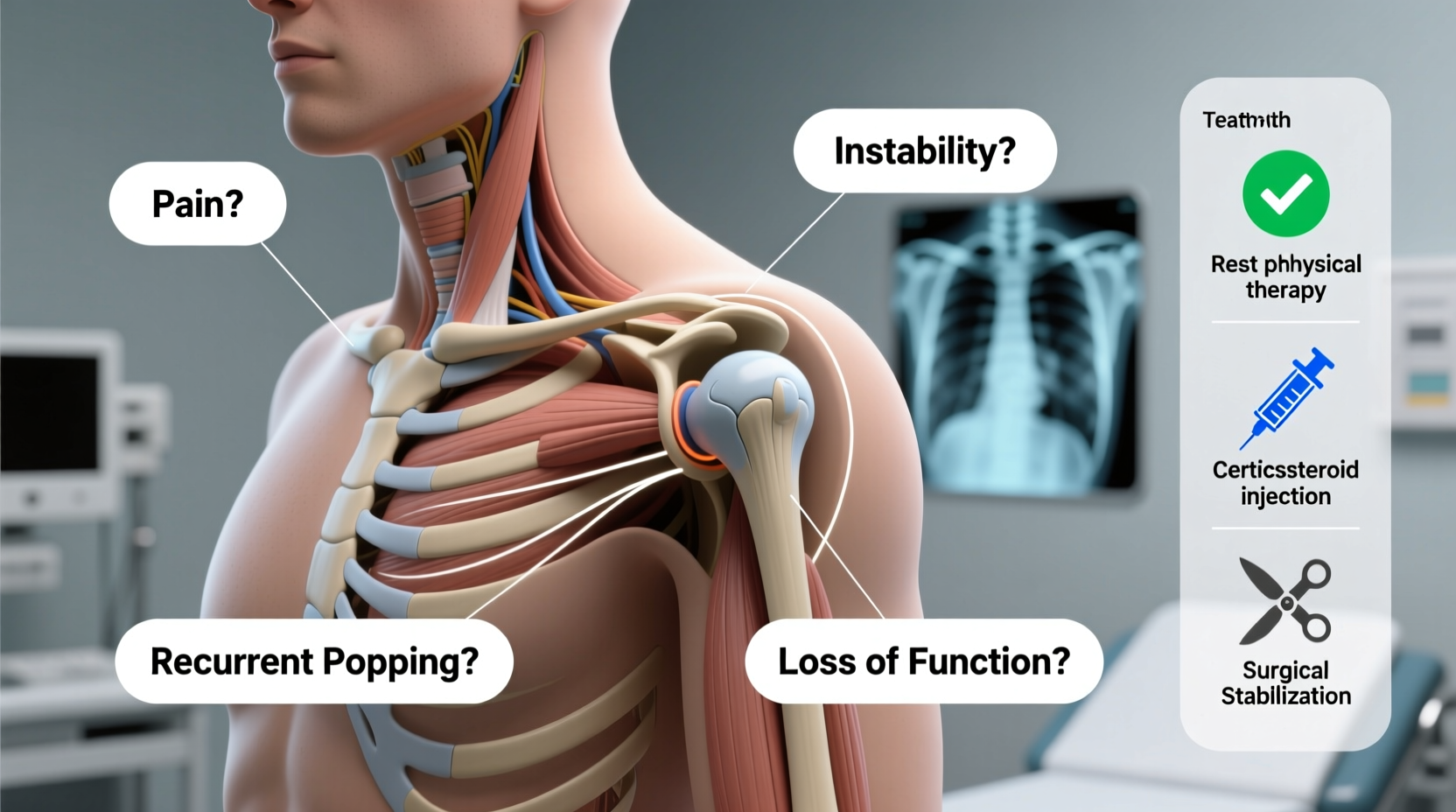
The shoulder is one of the most mobile joints in the body, supported by a complex network of tendons, ligaments, cartilage, and bones. This flexibility makes it prone to mechanical noises during movement. Most shoulder popping results from normal physiological processes, but certain conditions amplify the risk.
- Cavitation: The most benign cause — gas bubbles in the synovial fluid collapse when pressure changes during movement, creating a quick “pop.” This is similar to knuckle cracking and typically painless.
- Tendon snapping: Tendons like the biceps or rotator cuff may glide over bony prominences, producing a snapping sound, especially during overhead motions.
- Labral tears: The labrum, a ring of cartilage stabilizing the shoulder socket, can tear due to trauma or repetitive strain. A torn labrum often causes catching or popping with movement.
- Joint instability: Loose ligaments or prior dislocations can lead to excessive joint movement, resulting in audible shifts.
- Arthritis: Osteoarthritis wears down cartilage, leading to bone-on-bone contact and grinding (crepitus), often worsened with use.
- Impingement syndrome: When tendons rub against the acromion (shoulder roof), inflammation and mechanical noise can occur.
When to Worry: Red Flags That Demand Medical Attention
Not all shoulder noise requires intervention. However, specific symptoms indicate underlying pathology needing evaluation. Ignoring these signs can lead to chronic pain, reduced range of motion, or permanent joint damage.
“Painless popping is usually just biomechanics at work. But if you feel instability, sharp pain, or notice weakness, it’s time to see a specialist.” — Dr. Alan Reyes, Orthopedic Surgeon, Sports Medicine Division
Symptoms That Should Prompt Evaluation
- Pain during or after popping
- Swelling or visible deformity
- Feeling of the shoulder “slipping out” or giving way
- Reduced strength when lifting or rotating the arm
- Progressive loss of range of motion
- History of trauma or dislocation
- Clicking associated with locking or catching
These warning signs often point to structural issues such as labral tears, rotator cuff injuries, or glenohumeral instability. Early diagnosis improves outcomes significantly.
Diagnosis and Medical Evaluation Process
A thorough assessment begins with a detailed patient history and physical examination. Your doctor will assess range of motion, strength, stability, and perform special tests to isolate the source of noise.
Diagnostic Tools Used by Specialists
| Method | Purpose | What It Detects |
|---|---|---|
| Physical Exam | Assess joint mechanics | Instability, impingement, muscle weakness |
| X-ray | View bone structure | Arthritis, fractures, alignment issues |
| MRI | Detailed soft tissue imaging | Labral tears, rotator cuff damage |
| Ultrasound | Dynamic tendon evaluation | Tendonitis, partial tears |
In cases where instability is suspected, an MRI arthrogram — where contrast dye is injected into the joint — increases accuracy in detecting labral tears.
Treatment Options Based on Cause
Treatment depends entirely on the diagnosis. Many non-painful cases require no intervention. Symptomatic or structurally compromised shoulders benefit from targeted therapies.
Non-Surgical Approaches
- Physical Therapy: Strengthening the rotator cuff and scapular stabilizers improves joint control and reduces abnormal movements causing popping.
- Activity Modification: Avoiding repetitive overhead motions or heavy lifting allows irritated tissues to heal.
- Anti-inflammatory Medications: NSAIDs like ibuprofen help reduce pain and swelling in acute flare-ups.
- Corticosteroid Injections: Used sparingly for confirmed inflammation, especially in impingement or bursitis cases.
Surgical Interventions (When Conservative Care Fails)
- Arthroscopic Repair: Minimally invasive surgery to fix labral tears or repair damaged tendons.
- Ligament Tightening: For recurrent dislocations or chronic instability.
- Decompression Surgery: Removes bone spurs contributing to impingement.
Recovery timelines vary, but most patients resume light activities within 6 weeks and full function in 3–6 months post-surgery, depending on procedure complexity.
Tip: Post-injury rehabilitation should always include scapular stabilization exercises. Poor scapular control is a hidden contributor to shoulder dysfunction.Real-Life Example: A Case of Misdiagnosed Shoulder Popping
Mark, a 32-year-old recreational tennis player, noticed his right shoulder began popping during serves. Initially painless, the noise became sharper over six months, eventually causing night pain and difficulty reaching behind his back. He was initially told it was “just gas in the joint” and advised to stretch. After worsening weakness, an MRI revealed a SLAP tear (superior labrum anterior to posterior). Following arthroscopic repair and six months of rehab, Mark returned to play with improved mechanics and no recurrence.
This case highlights the danger of dismissing persistent symptoms. Early imaging could have accelerated treatment and prevented further degeneration.
Prevention and Long-Term Joint Health
Maintaining shoulder integrity involves proactive care, especially for athletes or those with physically demanding jobs.
Shoulder Health Checklist
- ✅ Perform daily shoulder mobility drills (e.g., arm circles, wall slides)
- ✅ Strengthen rotator cuff muscles twice weekly (band external rotations, scaption)
- ✅ Avoid prolonged overhead positioning without rest breaks
- ✅ Warm up before athletic activity involving the upper limbs
- ✅ Use proper lifting mechanics to avoid shoulder strain
- ✅ Monitor changes in joint sensation — don’t ignore new or worsening pops
Ergonomic adjustments at work — such as adjusting monitor height or avoiding repetitive reaching — also reduce cumulative stress.
Frequently Asked Questions
Is shoulder popping dangerous if it doesn’t hurt?
Generally, no. Painless popping due to cavitation or tendon movement is considered normal. However, if it starts hurting or is accompanied by weakness, consult a healthcare provider.
Can I still exercise with a popping shoulder?
You can, but modify activities that provoke symptoms. Avoid heavy pressing, overhead lifts, or explosive movements until evaluated. Focus on controlled, low-load strengthening instead.
How long does it take for a shoulder issue to heal?
Minor inflammation may resolve in 2–6 weeks with rest and therapy. Structural injuries like labral tears or significant tendon damage can take 3–6 months, especially if surgery is involved.
Conclusion: Listen to Your Body and Act Early
Shoulder popping isn’t inherently alarming, but context matters. Pain-free occurrences are usually mechanical and benign. Persistent noise with discomfort, instability, or functional loss should never be ignored. Early diagnosis preserves joint health and prevents irreversible damage. Whether through targeted rehab, lifestyle adjustments, or medical intervention, effective solutions exist. Take charge of your shoulder health today — your future mobility depends on the choices you make now.
💬 Experiencing shoulder popping? Share your story or questions below. Your experience might help someone recognize their own symptoms earlier.








