Dog owners often focus on food quality, feeding schedules, and portion control—but one overlooked detail can significantly impact how comfortably and safely their dog eats: the shape of the bowl. While it may seem trivial, the depth and design of a dog’s food or water bowl can influence digestion, breathing, hydration, and even long-term health. From flat pans to deep cylindrical containers, the differences between shallow and deep bowls go beyond aesthetics. Understanding these distinctions helps pet parents make informed choices that support their dog’s physical structure, breed-specific needs, and eating behavior.
Why Bowl Shape Influences Your Dog’s Eating Experience
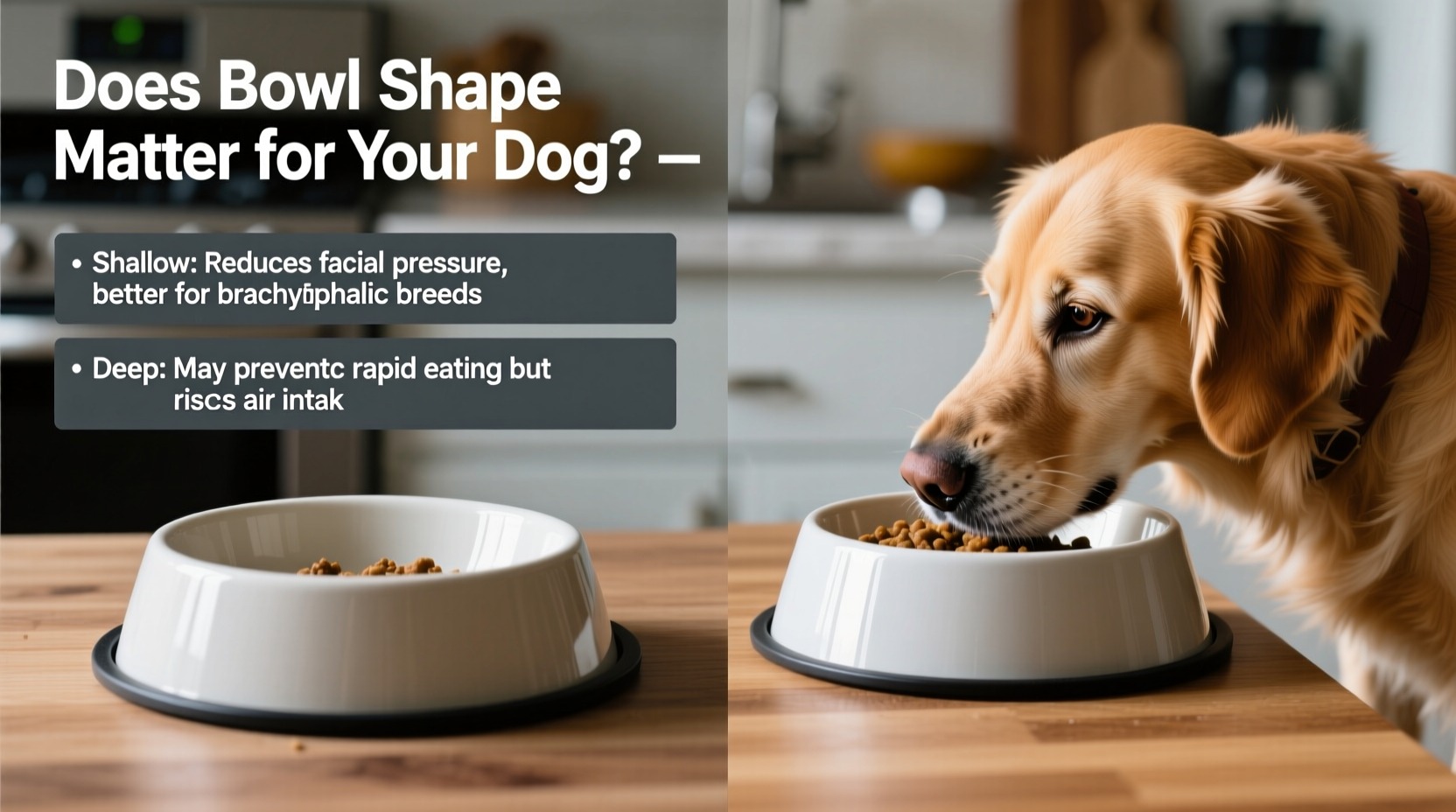
The way a dog accesses food is shaped by anatomy, neck length, jaw structure, and natural posture. Dogs don’t eat like humans; they lower their heads and use their tongues and jaws in specific motions to pick up kibble or lap water. A poorly designed bowl forces them into awkward positions—stretching, crouching, or straining—which over time can lead to discomfort or even medical issues.
Deep bowls may cause large dogs to bury their muzzles too far, leading to inefficient eating and potential inhalation of food particles. Conversely, very shallow dishes might not hold enough food for bigger breeds, requiring constant refills. The ideal bowl supports a neutral spine and head position, minimizing strain on joints and encouraging slower, more mindful eating.
Tip: Observe your dog during meals. If they tilt their head sharply downward, lift paws onto the bowl, or make loud smacking noises, the bowl may be too deep or too small.Shallow Bowls: Benefits and Best Uses
Shallow bowls, typically under 2 inches deep, spread food across a wider surface area. This design encourages dogs to eat with their heads in a more natural, level position. These bowls are especially beneficial for certain types of dogs:
- Brachycephalic breeds (e.g., Bulldogs, Pugs, Boston Terriers): Their shortened snouts and compressed airways make deep bowls difficult to navigate. Shallow options reduce respiratory effort during meals.
- Dogs with arthritis or joint pain: Less neck and shoulder bending means reduced discomfort for older or mobility-impaired dogs.
- Fast eaters: Wider dispersion of kibble slows consumption, lowering the risk of gulping and regurgitation.
However, shallow bowls aren't universally ideal. Small-capacity models may require frequent refilling for larger dogs, and some active eaters may push food out easily if the rim is too low.
Deep Bowls: Advantages and Drawbacks
Deep bowls, often cylindrical and reaching 3–5 inches in depth, are common in multi-purpose petware. They hold more food and water without taking up much floor space. For tall, long-necked breeds like Greyhounds or Great Danes, a deeper bowl can allow them to eat without excessive bending.
But drawbacks exist. When a dog plunges its face deep into a narrow container:
- They may inhale food particles, triggering coughing or aspiration.
- Pressure on the sides of the muzzle can irritate sensitive whiskers (vibrissae).
- In extreme cases, deep bowls contribute to poor posture that exacerbates spinal or hip conditions.
Additionally, deep water bowls can discourage drinking because dogs have to submerge their noses further, which many find uncomfortable.
“Bowl height and depth should align with the dog’s withers—the highest point of the shoulder. Anything below that forces unnatural postures.” — Dr. Lena Torres, DVM, Canine Rehabilitation Specialist
Comparative Analysis: Shallow vs Deep Bowls
| Feature | Shallow Bowl | Deep Bowl |
|---|---|---|
| Ideal for Breeds | Brachycephalic, small, senior, or arthritic dogs | Tall breeds with long legs and necks |
| Eating Posture | Natural, level head alignment | Requires head-down, nose-deep positioning |
| Risk of Gulping | Lower – promotes slower eating | Higher – encourages rapid consumption |
| Spill Resistance | Low to moderate – easier to knock over or push food out | High – contained sides prevent spills |
| Capacity | Limited – better for smaller portions | High – suitable for large meals |
| Cleanliness | Easier to clean due to open design | Harder to reach bottom corners |
Real-World Example: How Switching Bowl Types Helped Max the Bulldog
Max, a three-year-old English Bulldog, had chronic post-meal burping and occasional gagging. His owner used a standard stainless steel deep bowl, assuming durability was the priority. After a vet visit ruled out gastrointestinal issues, the veterinarian suggested switching to a wide, shallow silicone dish elevated slightly off the floor.
Within days, Max’s eating became quieter and smoother. He no longer lifted his front paws onto the bowl or backed away mid-meal. Over two weeks, the burping decreased by 80%. The change wasn’t in diet or routine—it was entirely due to ergonomics. The shallow bowl allowed Max to eat without compressing his already restricted airway, proving that form truly follows function in canine feeding.
Actionable Checklist: Choosing the Right Bowl for Your Dog
Before purchasing or replacing a dog bowl, consider the following factors. Use this checklist to ensure you're making an informed decision:
- ✅ Measure your dog’s withers height and choose a bowl height within 2–4 inches below that point.
- ✅ Assess your dog’s breed and facial structure—short-nosed dogs benefit from shallow, wide bowls.
- ✅ Watch for signs of discomfort: pawing at the bowl, head tilting, or noisy eating.
- ✅ Consider slow-feeder features if your dog gulps food quickly.
- ✅ Prioritize material safety—stainless steel, ceramic, or food-grade silicone are best.
- ✅ Ensure the bowl is stable and won’t slide or tip easily.
- ✅ Match capacity to meal size—don’t overcrowd or underfill excessively.
When Elevation Matters: Combining Depth with Height
Beyond depth, the vertical placement of the bowl plays a crucial role. Elevated feeders raise the bowl to a more ergonomic level, reducing strain on the neck and back. However, research has shown mixed results regarding raised feeders and bloat (gastric dilatation-volvulus), particularly in large, deep-chested breeds.
A 2000 study published in the *Journal of the American Veterinary Medical Association* found that raised feeders could increase bloat risk in susceptible breeds. Therefore, while elevation can help with posture, it should be used cautiously—and never paired with deep bowls that encourage rapid eating.
The optimal solution? A moderately shallow bowl placed on a low stand (just a few inches high) for dogs with mobility issues, while keeping deep-chested breeds like German Shepherds or Saint Bernards on ground-level, wide-format dishes.
Frequently Asked Questions
Can bowl depth really cause bloat?
Direct causation isn’t proven, but contributing factors like fast eating, air swallowing, and poor posture—often worsened by deep or elevated bowls—can increase bloat risk in predisposed breeds. Using a shallow, anti-gulp bowl at floor level may reduce these risks.
Are tilted or non-spill bowls worth it?
Tilted bowls are designed to pool food toward the front, making it easier to access. For dogs with neck pain or neurological conditions, this can improve comfort. However, they may not suit all eating styles and can be harder to clean. Test one if your dog shows hesitation or fatigue during meals.
How often should I replace my dog’s bowl?
Inspect weekly for cracks, dents, or scratches—especially in plastic bowls, which harbor bacteria. Stainless steel and ceramic last longer but should be replaced if chipped. A good rule: replace every 1–2 years or sooner if wear affects usability.
Final Thoughts: Shape Matters More Than You Think
The shape of a dog’s bowl isn’t just a matter of convenience or kitchen aesthetics—it directly impacts how comfortably and safely your pet eats and drinks every day. While deep bowls offer convenience and capacity, they often compromise ergonomics, especially for brachycephalic or aging dogs. Shallow designs promote healthier posture, slower eating, and better respiratory function, making them a smarter choice for many pets.
Ultimately, the best bowl meets your dog’s individual needs: size, breed, age, and health status. By observing your dog’s behavior, consulting veterinary advice, and applying practical adjustments, you can transform a simple feeding routine into a supportive daily ritual.
💬 Have you noticed a difference after changing your dog’s bowl? Share your experience in the comments—your insight could help another pet parent make a healthier choice today.








