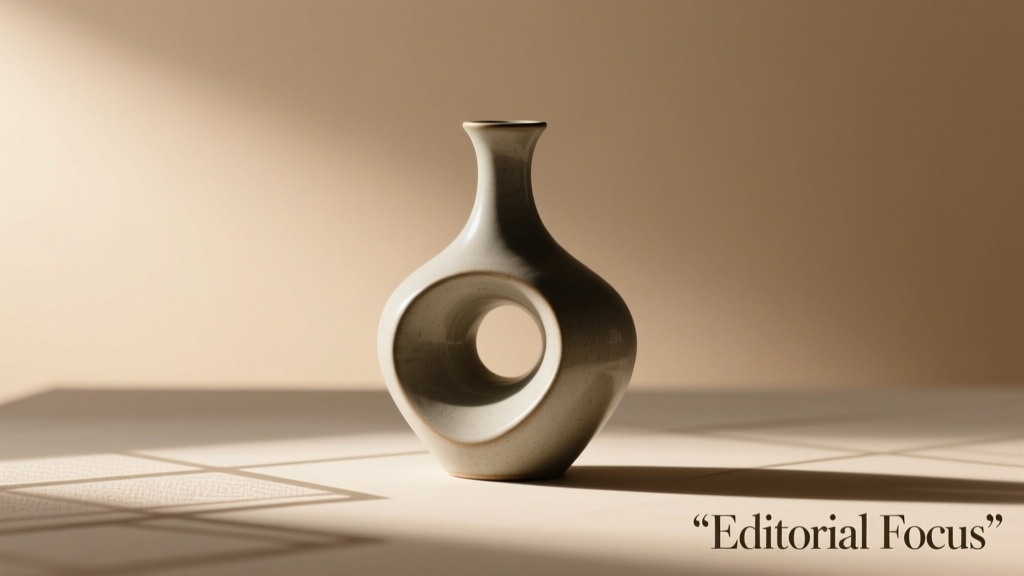
Types of Shallow Bowls: A Comprehensive Guide
A shallow bowl is a versatile kitchen and decorative item characterized by its low depth and wide opening, making it ideal for serving, displaying, and organizing. These bowls are widely used across homes, restaurants, and event settings due to their functional design and aesthetic appeal. Selecting the right shallow bowl depends on its intended use—be it serving food, enhancing table decor, or storing everyday items. Below is a detailed breakdown of the most common and practical types of shallow bowls available today.
Serving Shallow Bowls
Designed for everyday dining and entertaining, these bowls are perfect for presenting salads, pasta, rice dishes, and side courses. Their wide, open structure allows for easy access with serving utensils and enhances portion visibility.
Advantages
- Easy to serve and portion food
- Enhances presentation of meals
- Versatile for hot and cold dishes
- Available in multiple materials and styles
Limitations
- Limited capacity for liquid-heavy dishes
- May require frequent refilling at buffets
- Not ideal for deep stacking
Best for: Family dinners, buffets, dinner parties, and casual dining
Shallow Sushi Bowls
Specifically crafted for Japanese cuisine, these bowls are designed to hold sushi, sashimi, and rice dishes. Their shallow depth prevents ingredients from clumping and allows for elegant plating that highlights freshness and color.
Advantages
- Promotes visual appeal of sushi arrangements
- Prevents rice from sticking when properly glazed
- Complements traditional and modern table settings
- Often made from natural, eco-friendly materials
Limitations
- Some materials (like bamboo) require hand washing
- May absorb odors if not sealed properly
- Less durable than synthetic alternatives
Best for: Sushi bars, Japanese restaurants, home entertaining, and culinary displays
Fruit Shallow Bowls
These bowls are specifically designed to display fresh fruit on countertops, dining tables, or buffets. Many feature breathable designs such as wire mesh or open-weave patterns that help prevent moisture buildup and prolong freshness.
Advantages
- Enhances kitchen or dining room decor
- Promotes air circulation to keep fruit fresh
- Encourages healthy snacking with visible fruit
- Available in decorative metals, glass, and natural fibers
Limitations
- Open designs may attract fruit flies
- Not suitable for storing cut or juicy fruits
- May require frequent cleaning
Best for: Kitchen counters, breakfast nooks, fruit displays, and gift baskets
Decorative Shallow Bowls
Primarily used for aesthetic purposes, these bowls serve as centerpieces or organizational trays. They come in a vast array of designs, colors, and textures—ideal for holding keys, jewelry, candles, or potpourri.
Advantages
- Enhances interior design and room ambiance
- Multi-functional for display and storage
- Available in antique, modern, and artisan styles
- Can be used year-round with seasonal decor
Limitations
- Often not food-safe or dishwasher-safe
- May be fragile (e.g., glass or ceramic)
- Higher cost for artisan or designer pieces
Best for: Entryway tables, bathrooms, living rooms, and seasonal decor
Shallow Melamine Bowls
Durable and lightweight, melamine bowls are a top choice for commercial and outdoor use. Resistant to chipping and breakage, these bowls mimic the look of ceramic but are far more resilient, making them ideal for high-traffic environments.
Advantages
- Highly durable and shatter-resistant
- Lightweight and easy to handle
- Dishwasher-safe and easy to clean
- Available in vibrant colors and patterns
Limitations
- Not microwave-safe (can warp or release chemicals)
- May scratch over time with metal utensils
- Less premium feel compared to ceramic or glass
Best for: Restaurants, picnics, camping, children’s meals, and outdoor events
| Type | Primary Use | Common Materials | Durability | Ideal Setting |
|---|---|---|---|---|
| Serving Shallow Bowls | Food presentation and dining | Ceramic, Glass, Stainless Steel | High | Home kitchens, restaurants, buffets |
| Shallow Sushi Bowls | Serving Japanese cuisine | Ceramic, Bamboo, Wood, Melamine | Medium to High | Sushi bars, dinner parties, Asian cuisine |
| Fruit Shallow Bowls | Fruit display and storage | Wire Metal, Bamboo, Glass, Ceramic | Medium | Kitchens, dining areas, gift displays |
| Decorative Shallow Bowls | Home decor and organization | Resin, Metal, Ceramic, Glass | Varies (often fragile) | Living rooms, entryways, bathrooms |
| Shallow Melamine Bowls | Durable serving and outdoor use | Melamine polymer | Very High | Restaurants, picnics, camping, kids’ meals |
Expert Tip: When using melamine shallow bowls, avoid microwave use and sharp metal utensils to extend their lifespan. Hand washing is recommended for decorative or natural material bowls like bamboo or resin to preserve their finish and integrity.
In conclusion, the variety of shallow bowls available today reflects their adaptability across culinary, decorative, and organizational roles. Whether you're hosting a dinner party, arranging fresh fruit, or enhancing your home's aesthetic, selecting the right type of shallow bowl ensures both functionality and visual harmony. Understanding the strengths and limitations of each type empowers you to make informed choices that align with your lifestyle and design preferences.
Design of Shallow Bowls: Functionality, Aesthetics, and Application
The design of a shallow bowl plays a pivotal role in determining both its functional utility and visual appeal. More than just a serving vessel, a shallow bowl integrates seamlessly into dining, décor, and lifestyle contexts. Its design encompasses several interrelated elements—material, shape, texture, color, and pattern—that collectively influence how it is perceived, handled, and used in everyday or special occasions.
Whether used for serving salads, snacks, or decorative displays, the shallow bowl must balance form and function. Below is a comprehensive exploration of the key design considerations that contribute to its versatility and aesthetic value.
Material Choices: Impact on Style, Durability, and Use
The choice of material is one of the most influential factors in shallow bowl design, affecting not only appearance but also durability, weight, and suitability for different environments. Each material offers unique characteristics that cater to specific needs and styles.
Ceramic
Ceramic shallow bowls are among the most popular due to their timeless elegance and versatility. They can be glazed for a glossy, reflective finish or left matte for a more modern or rustic look. Glazed ceramics are stain-resistant and easy to clean, making them ideal for daily use.
Available in a vast array of colors, patterns, and handcrafted designs, ceramic bowls allow for personalization and coordination with tableware or interior themes. Their moderate weight provides stability without being cumbersome.
Glass
Glass shallow bowls offer a sleek, transparent aesthetic that enhances visual presentation. Clear glass highlights the contents—perfect for fruit displays, salads, or floral arrangements—while colored or frosted glass adds artistic flair.
Faceted or textured glass designs refract light beautifully, adding dimension to tabletops. Tempered glass options provide enhanced durability, making them safe for both indoor and outdoor use. However, they require careful handling to avoid chipping or breakage.
Metal
Metal bowls—particularly those made from stainless steel, copper, or brushed nickel—deliver a contemporary, polished appearance. Stainless steel is highly durable, resistant to corrosion, and easy to sanitize, making it ideal for kitchen and catering environments.
These bowls are often used in modern or industrial-style interiors. While metal conducts temperature well (ideal for chilled dishes), it may not be suitable for acidic foods unless properly coated. Their reflective surfaces add a sense of luxury and sophistication.
Wood
Wooden shallow bowls bring warmth and organic beauty to any setting. Crafted from hardwoods like walnut, teak, or acacia, each piece showcases unique grain patterns, making every bowl a one-of-a-kind artwork.
Finished with food-safe oils or sealants, wooden bowls are suitable for dry foods, snacks, and bread. They require gentle care—avoid soaking or dishwashing—to maintain their integrity. Ideal for rustic, farmhouse, or minimalist décor, they evoke a handcrafted, artisanal charm.
Melamine
Melamine bowls are an excellent choice for casual, outdoor, or children’s use. Extremely lightweight and virtually unbreakable, melamine resists chipping and cracking even under rough handling.
Available in vibrant colors and playful patterns, these bowls are perfect for picnics, parties, or family meals. While not suitable for oven or microwave use, their practicality and affordability make them a go-to for high-traffic environments where safety and durability are priorities.
Other Materials
Alternative materials such as bamboo, resin, or composite blends are gaining popularity for eco-conscious consumers. Bamboo offers a sustainable, biodegradable option with a natural look, while resin allows for bold shapes and colors with enhanced durability.
Innovative hybrid materials combine the best qualities of different substances—such as ceramic-melamine composites—to offer style with resilience, especially in commercial or outdoor settings.
Shape and Size: Balancing Proportion and Purpose
Shallow bowls come in a wide range of shapes—including round, oval, square, rectangular, and geometric designs—each contributing to the overall aesthetic and functionality of the piece.
Size also plays a critical role: small bowls (6–8 inches) are ideal for condiments, dips, or garnishes, while medium to large bowls (9–14 inches) suit salads, side dishes, or main courses. The shallow depth (typically 1.5–3 inches) allows for easy access and attractive layering of ingredients.
Color and Pattern: Expressing Style and Setting the Mood
Color and pattern are powerful tools in defining the personality of a shallow bowl. From minimalist monochrome to intricate hand-painted motifs, these elements can:
- Create visual harmony with table settings or room décor
- Reflect cultural traditions or seasonal themes
- Enhance food presentation by contrasting or complementing dish colors
- Support branding in commercial or hospitality environments
Matte finishes offer a modern, understated elegance, while glossy or metallic finishes add drama and reflectivity. Patterns such as florals, geometrics, tribal prints, or abstract art can transform a bowl into a centerpiece. Custom-designed bowls are increasingly used in restaurants and events to reinforce brand identity or thematic experiences.
Texture: Enhancing Tactile Experience and Visual Depth
Texture influences both the sensory experience and the visual impact of a shallow bowl. It affects grip, perceived weight, and how light interacts with the surface.
Smooth & Polished
Common in glass, ceramic, and metal bowls, smooth textures offer a clean, refined feel. They are easy to clean and convey a sense of sophistication, often used in formal dining or modern interiors.
Rough & Handcrafted
Textured or hand-carved surfaces—especially in wood or artisanal ceramics—add character and a tactile quality. These bowls feel more personal and earthy, enhancing rustic or bohemian aesthetics.
In photography and styling, texture can dramatically affect how food appears: a glossy stainless steel bowl reflects light for a high-end look, while a matte, mottled ceramic enhances the natural tones of grains or vegetables.
| Design Element | Functional Benefit | Aesthetic Contribution |
|---|---|---|
| Material | Determines durability, weight, and food safety | Defines style—modern, rustic, elegant, or playful |
| Shape | Affects serving ease and portion control | Contributes to visual balance and theme |
| Color & Pattern | Can indicate content type (e.g., red for spicy) | Expresses personality and complements décor |
| Texture | Improves grip and handling | Adds depth, contrast, and sensory appeal |
Important: When selecting or designing shallow bowls, consider the intended use, environment, and maintenance requirements. For example, avoid wooden bowls for wet or acidic foods unless properly sealed, and never expose melamine to high heat. Matching the bowl’s design to its function ensures longevity, safety, and maximum aesthetic impact.
In conclusion, the shallow bowl design is a thoughtful interplay of material, shape, color, texture, and pattern. Each element contributes to both the practical performance and visual harmony of the piece. Whether used in a home kitchen, restaurant, or as part of interior décor, a well-designed shallow bowl enhances the overall experience—making it not just a container, but a meaningful part of daily life and expression.
Scenarios of Shallow Bowls
Shallow soup bowls are more than just simple dishware—they are versatile, functional, and aesthetically adaptable tools that enhance dining, cooking, gifting, and even interior design. With their low profile and wide opening, they offer practical advantages over deeper bowls in many everyday and specialized situations. From elegant table settings to efficient food prep, these bowls blend form and function seamlessly across a wide range of applications.
Dining and Entertaining
Shallow bowls are a staple in both casual and formal dining settings, offering an elegant and practical way to serve a variety of dishes. Their wide surface area allows food to be presented beautifully, enhancing visual appeal and making portion control easier.
- Ideal for serving salads, grain bowls, risottos, pasta, and Asian-inspired dishes like ramen or bibimbap (with slight modifications)
- Perfect for family-style meals and buffet setups where guests serve themselves
- Enhances presentation at dinner parties, holiday gatherings, and special events with their modern, open aesthetic
- Stackable design saves space and simplifies storage in both home and commercial kitchens
Pro tip: Use white or neutral-toned shallow bowls to make colorful dishes stand out and elevate the dining experience.
Kitchen and Food Preparation
Beyond serving, shallow prep bowls play a crucial role in streamlining kitchen workflow. Their open design makes them ideal for organizing ingredients during meal prep, reducing clutter and improving efficiency.
- Perfect for holding chopped vegetables, herbs, or prepped ingredients (mise en place)
- Great for marinating meats or fish, allowing even coating and easy flipping
- Useful for mixing dressings, sauces, or small batters without splashing
- Stackable and space-efficient, making them ideal for small kitchens or crowded countertops
Chef’s insight: Glass or ceramic shallow bowls are non-reactive and safe for acidic ingredients like citrus or vinegar.
Gifting
Decorative shallow bowls make thoughtful, multi-functional gifts that combine beauty with utility. Unlike single-use gift containers, these bowls continue to serve a purpose long after the initial presentation.
- Can be filled with gourmet snacks, chocolates, tea, or spa items for a personalized touch
- Serve as keepsake containers for jewelry, trinkets, or desk accessories
- Customizable with engravings, hand-painted designs, or seasonal motifs for weddings, housewarmings, or holidays
- Eco-friendly alternative to disposable gift boxes—reusable and sustainable
Gift idea: Pair a handcrafted shallow bowl with artisanal ingredients for a memorable and practical present.
Centerpieces and Home Decor
Shallow bowls double as stylish decor elements, adding elegance and seasonal flair to any room. Their versatility allows them to transition seamlessly from everyday accents to festive centerpieces.
- Fill with seasonal items: pinecones and candles in winter, fresh fruit in summer, or spring blossoms
- Use as a decorative tray on coffee tables, mantels, or entryway consoles to organize keys, perfumes, or candles
- Available in a wide range of materials—ceramic, glass, metal, wood—suiting modern, rustic, minimalist, or bohemian interiors
- Add visual balance and texture to shelves or sideboards when used as standalone art pieces
Design tip: Group bowls of varying sizes and textures for a curated, layered look.
Office and Commercial Use
Shallow bowls are widely used in professional environments for both functional and aesthetic purposes. Their durability and design flexibility make them suitable for restaurants, offices, retail spaces, and healthcare facilities.
- In restaurants and catering, they present appetizers, desserts, and tapas with modern flair and portion control
- Retail stores use them to display jewelry, cosmetics, or promotional items attractively
- Offices place them on reception desks to hold pens, business cards, or visitor badges
- Healthcare and educational institutions use hygienic melamine or stainless steel versions for organizing supplies or serving meals
Commercial advantage: Durable, easy-to-clean materials like melamine ensure longevity and compliance with sanitation standards.
Material & Style Considerations
The effectiveness of a shallow bowl in any scenario depends on its material, design, and finish. Choosing the right type enhances both functionality and visual harmony.
- Ceramic: Classic, elegant, and oven-safe—ideal for serving and decor
- Stainless Steel: Durable and hygienic—perfect for commercial kitchens and medical settings
- Wood or Bamboo: Warm, natural look—great for rustic decor or sushi presentation
- Tempered Glass: Modern and transparent—excellent for layered desserts or ingredient prep
- Melamine: Lightweight and shatterproof—ideal for outdoor dining or children’s use
Style note: Match the bowl’s finish to the environment—matte for minimalist spaces, glossy for formal settings.
Professional Recommendation: When selecting shallow bowls, consider the primary use case. For entertaining, prioritize aesthetics and material quality. For kitchen prep, focus on durability and ease of cleaning. In commercial settings, opt for stackable, hygienic, and break-resistant options. A well-chosen shallow bowl enhances both function and form, making it a smart investment across personal and professional environments.
| Use Case | Recommended Material | Key Features | Lifespan & Care |
|---|---|---|---|
| Dining & Entertaining | Ceramic, Porcelain, Glass | Elegant finish, microwave/dishwasher safe | 5+ years with proper care |
| Kitchen Prep | Stainless Steel, Glass, Plastic | Non-reactive, easy to clean, stackable | 3–7 years depending on use |
| Gifting & Decor | Handcrafted Ceramic, Wood, Metal | Unique design, customizable | Lifetime with gentle handling |
| Commercial & Office | Melamine, Stainless Steel | Durable, shatterproof, hygienic | 2–5 years under heavy use |
Additional Benefits of Shallow Bowls
- Ergonomic Design: Low sides make eating easier, especially for children and elderly users
- Versatility: Transition seamlessly from oven to table to dishwasher in many materials
- Portion Control: Ideal for mindful eating—naturally limits serving size
- Eco-Friendly: Reusable and long-lasting, reducing reliance on disposable containers
- Aesthetic Flexibility: Complement a wide range of tableware and interior styles
Specification & Maintenance of Shallow Bowls: A Complete Guide
Shallow bowls are versatile kitchen and decorative items used for serving, storing, and displaying food or decorative elements. To ensure your shallow bowl decor remains both functional and visually appealing for years, it's essential to understand the material specifications and proper care techniques. Choosing the right type of shallow bowl and maintaining it according to its material composition can significantly extend its lifespan and preserve its aesthetic quality.
Important Note: Always identify the material of your shallow bowl before cleaning or storing. Using improper methods—such as placing wooden bowls in the dishwasher or melamine in the microwave—can cause irreversible damage.
Ceramic Shallow Bowls
Ceramic shallow bowls are popular for their elegant appearance and durability. Most are glazed, making them waterproof and resistant to stains. However, ceramics are brittle and prone to chipping or cracking if dropped or exposed to sudden temperature changes.
- Wash with mild dish soap and a soft sponge to avoid scratching the glaze
- Avoid abrasive cleaners or steel wool, which can dull or damage the surface
- Do not expose to rapid temperature shifts (e.g., moving from freezer to oven) to prevent thermal shock and cracking
- Store carefully to avoid contact with hard surfaces that could cause chips
Glass Shallow Bowls
Glass bowls offer a sleek, modern look and are non-porous, making them hygienic and resistant to odors. While many are dishwasher-safe, they remain vulnerable to breakage if knocked or stacked improperly.
- Hand washing is recommended to preserve clarity and reduce risk of breakage
- If using a dishwasher, place in the top rack and avoid overcrowding
- Avoid extreme heat or direct flame exposure, which may cause cracking
- Store in a secure cabinet away from edges to prevent accidental knocks
Metal Shallow Bowls
Stainless steel shallow bowls are highly durable, resistant to dents, and ideal for both kitchen and outdoor use. Aluminum and silver bowls, while stylish, require more careful handling to maintain their luster.
- Stainless steel bowls are typically dishwasher-safe and easy to clean
- Avoid using chlorine-based or abrasive cleaners on aluminum and silver to prevent tarnishing or dulling
- Dry immediately after washing to prevent water spots and corrosion
- Polish silver bowls occasionally with a soft cloth to maintain shine
Wooden Shallow Bowls
Handcrafted wooden bowls add natural warmth and elegance to any setting. However, wood is porous and sensitive to moisture, heat, and sunlight, requiring special care to prevent drying, warping, or cracking.
- Never soak in water or place in the dishwasher
- Clean with a damp cloth and mild soap, then dry immediately
- Store away from direct sunlight and heat sources to prevent warping
- Condition every few months with food-grade mineral oil to restore moisture and enhance grain appearance
- Avoid storing acidic or oily foods for extended periods to prevent staining
Melamine Shallow Bowls
Melamine bowls are lightweight, shatter-resistant, and perfect for casual dining, picnics, or children's use. They are highly durable and easy to clean, but have limitations when exposed to heat.
- Dishwasher-safe (top rack recommended) for convenient cleaning
- Never use in microwave or oven—melamine resin can degrade and release harmful chemicals under high heat
- Avoid using sharp utensils that may scratch the surface
- Resistant to stains, but prolonged exposure to strong dyes (e.g., tomato sauce) may cause discoloration
| Material | Dishwasher Safe | Microwave Safe | Key Care Tips |
|---|---|---|---|
| Ceramic | Yes (most) | Yes (glazed) | Avoid thermal shock; use non-abrasive cleaners |
| Glass | Yes (check manufacturer) | Yes (tempered glass) | Handle with care; store safely to prevent breakage |
| Stainless Steel | Yes | No | Dry after washing; avoid harsh chemicals on aluminum/silver |
| Wood | No | No | Wipe clean; oil regularly; avoid moisture and heat |
| Melamine | Yes | No | Never microwave; avoid sharp utensils |
Pro Tip: Label your bowls or keep a care guide in your kitchen to quickly reference cleaning methods. This is especially helpful when mixing materials for serving or gifting.
General Maintenance Best Practices
- Always read manufacturer care instructions when available
- Inspect bowls regularly for cracks, chips, or signs of wear
- Use soft sponges and pH-neutral cleaners to protect finishes
- Store bowls with protective padding between them if stacking
- Rotate usage of decorative bowls to minimize wear on favorites
To keep your shallow bowls in excellent condition, always match the care routine to the material. Proper maintenance not only extends the life of your bowls but also ensures they continue to enhance your table settings with their beauty and functionality. By understanding the unique needs of ceramic, glass, metal, wood, and melamine, you can enjoy your shallow bowl collection for years to come—whether used daily or reserved for special occasions.
Frequently Asked Questions About Shallow Bowls
Q1: What is a shallow bowl used for?Shallow bowls are highly versatile kitchen and dining essentials designed for a wide range of uses. Their low depth and wide opening make them ideal for serving and enjoying various types of food, while also lending themselves to decorative and functional roles in different settings.
- Serving Dishes: Perfect for salads, pastas, grain bowls, stir-fries, soups, and tapas, where easy access and presentation are key.
- Food Preparation: Useful during cooking for holding ingredients (mise en place), mixing small portions, or marinating foods.
- Decorative Use: Often used as centerpieces or accent pieces on tables, shelves, or entryways—filled with fruits, potpourri, or seasonal decor.
- Gifting: Elegant shallow bowls make thoughtful gifts, especially when paired with gourmet ingredients or artisanal foods.
- Office & Everyday Use: Great for snacks, fruit, or organizing small desk items like pens or paperclips in a stylish way.
Their functional design promotes portion control and enhances visual appeal, making them a staple in both home and professional kitchens.
Q2: How do I choose the right shallow bowl for my needs?Selecting the perfect shallow bowl involves balancing practicality, aesthetics, and durability. Consider the following factors to ensure your choice aligns with your lifestyle and intended use:
- Material:
- Durable options like stainless steel, melamine, or tempered glass are excellent for daily use, families, or outdoor dining.
- Delicate materials such as ceramic, porcelain, or hand-blown glass offer elegance but are better suited for special occasions.
- Size & Capacity: Choose based on portion needs—small bowls (6–8 inches) work well for sides or snacks, while larger ones (9–12 inches) are ideal for main dishes or sharing.
- Design & Color: Match the bowl’s style to your existing tableware or décor. Neutral tones offer versatility, while bold colors or patterns can serve as statement pieces.
- Purpose: Consider whether the bowl will be used for hot foods, cold salads, serving, or decoration—some materials handle temperature changes better than others.
By aligning these elements with your personal preferences and usage patterns, you can find a shallow bowl that is both beautiful and functional.
Q3: Can shallow bowls be used for both formal and informal settings?Yes, shallow tableware bowls are remarkably adaptable and can seamlessly transition between formal and casual environments. Their sleek, open design lends itself to elegant presentation and practical use alike.
- Formal Settings: Use porcelain, stoneware, or metallic-finish bowls to elevate dinner parties or holiday meals. Pair with matching dinnerware for a cohesive, upscale look.
- Informal Gatherings: Opt for colorful ceramic, bamboo, or melamine bowls for picnics, buffets, or family dinners—offering charm without the need for perfection.
- Multi-functional Use: Beyond dining, they double as stylish gift containers or decorative accents during events and celebrations.
Their universal appeal makes shallow bowls a must-have in any home, capable of enhancing everything from weekday meals to sophisticated soirées.
Q4: How should I clean and care for my shallow bowl?Proper cleaning and maintenance depend heavily on the material of your shallow bowl. Following care guidelines ensures longevity, safety, and aesthetic preservation.
| Material | Cleaning Method | Dishwasher Safe? | Special Care Tips |
|---|---|---|---|
| Wooden | Hand wash with mild soap and dry immediately | No | Apply food-safe mineral oil monthly to prevent drying and cracking |
| Glass | Wash with warm soapy water or in dishwasher (if tempered) | Check manufacturer label—some are not heat-resistant | Avoid sudden temperature changes to prevent thermal shock |
| Metal (Stainless Steel) | Wipe daily with damp cloth; deep clean with soapy water | Yes (most are) | Polish occasionally to maintain shine; avoid abrasive scrubbers |
| Melamine | Hand wash recommended; some are dishwasher-safe (top rack only) | Check manufacturer instructions—often not recommended | Not microwave-safe; avoid high heat and sharp utensils to prevent chipping |
| Ceramic/Porcelain | Wash with gentle detergent | Usually yes, unless hand-painted or delicate | Stack carefully to avoid chipping; inspect for cracks |
Always refer to the manufacturer’s care instructions to preserve quality and avoid damage. Regular, appropriate maintenance keeps your bowls looking new and safe for food use.
Q5: Are shallow bowls suitable for outdoor use?Yes, many shallow bowls are excellent for outdoor use, especially those made from durable, lightweight, and weather-resistant materials.
- Melamine Bowls: Shatterproof, lightweight, and available in a variety of colors and styles—ideal for patios, picnics, and poolside dining.
- Stainless Steel Bowls: Rust-resistant and sturdy, perfect for camping, barbecues, or boating excursions.
- Plastic (BPA-Free): Affordable and safe for children’s outdoor meals, though less eco-friendly than other options.
Avoid using fragile materials like ceramic, glass, or wood outdoors unless in a protected environment, as they are prone to breakage or warping from moisture and temperature changes. When selecting bowls for al fresco dining, prioritize durability, portability, and ease of cleaning for the best experience.









